
Microsoft urges major changes to Washington data center regulations as bill nears final vote
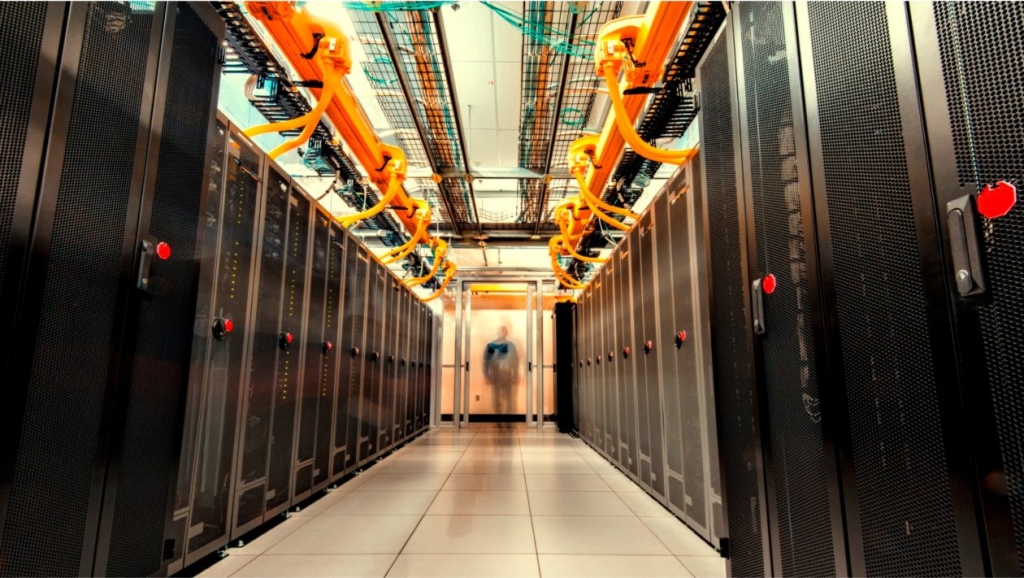
Microsoft Warns Washington State Bill Could Stifle Data Center Growth, Sparking Fierce Debate Over AI Infrastructure Regulation
Washington state is at a pivotal moment in the ongoing battle to regulate artificial intelligence (AI) infrastructure, with Microsoft throwing its weight behind opposition to a controversial bill that could reshape the future of data centers in the region. The legislation, known as House Bill 2515, aims to address the environmental and economic impacts of the massive data centers fueling the AI boom, but Microsoft warns it could have unintended consequences that stifle innovation and economic growth.
In a dramatic turn of events, Microsoft’s senior director of Washington state government affairs, Lauren McDonald, testified before the Senate Committee on Ways & Means, urging lawmakers to reconsider key provisions of the bill. Labeling the proposed regulations as “uniquely anti-competitive,” McDonald emphasized the need for a balanced approach that protects ratepayers without hindering the state’s ability to attract and retain tech giants like Microsoft.
“We respectfully urge the committee not to advance the bill without significant changes,” McDonald stated, highlighting concerns about the potential impact on Microsoft’s operations in the state. With roughly 30 data centers in Washington alone, Microsoft’s investment in global infrastructure is staggering, with plans to spend up to $140 billion this year. Amazon, another major player in the region, has committed to spending $200 billion on capital expenditures worldwide, primarily for its Amazon Web Services (AWS) cloud business.
The bill’s primary goals are to protect ratepayers from increased power costs and bring transparency to the environmental impacts of data centers. However, the tech industry, labor organizations, and municipalities that have benefited from job creation and tax revenue generated by these facilities are pushing back against the regulations. Microsoft President Brad Smith recently launched a community-focused initiative, pledging to bear the full cost of electrical usage and support local taxes, in response to growing concerns about the impact of data centers on local communities.
The Seattle Times reported that Microsoft and Amazon have been working behind the scenes to weaken HB 2515, with Amazon currently taking a “neutral” stance on the bill. The legislation, which has passed the House, is now edging closer to a vote in the full Senate, but tech sector opposition could potentially sink the measure.
Key Provisions of House Bill 2515
The bill’s main components include:
- Ratepayer Protection: Utilities must create tariffs or policies that insulate ratepayers from short- and long-term financial risks associated with data center energy use.
- Transparency: Data centers must publish annual reports on water, energy, refrigerant use, and air pollution, with a comprehensive sustainability report every three years.
- Resource Forecasting: Data centers must coordinate with regulators and utilities on energy load forecasting.
- Carbon Credits: The availability of free carbon credits to meet state regulations would be limited.
- Clean Energy Certification: Facilities that open or expand after July 1, 2026, must certify their use of new clean energy, using 80% clean power by 2030 and all clean energy by 2045.
Microsoft raised concerns about a specific provision that could prevent a data center in Malaga, Wash., built in 2023, from opening later this year due to clean energy requirements. Another controversial aspect of the bill, which was not included in the version that passed the House but is still being discussed, requires data centers to curtail or stop drawing power from the grid in energy emergency situations. Opponents argue this rule could disable facilities that support essential operations such as access to electronic medical records or tech to dispatch first responders.
The Push for Statewide Standards
Proponents of HB 2515 argue that the measure is necessary to establish rules for a rapidly expanding sector driven by the soaring use of artificial intelligence. “The game is changing on data centers before our very eyes,” said Zach Baker, policy director for the nonprofit NW Energy Coalition. “The common sense guardrails in this bill are needed to protect affordability, grid reliability, and the environment.”
Washington is currently home to approximately 126 data centers and related facilities, with Microsoft operating the most in the state. Rep. Beth Doglio, D-Olympia, the lead sponsor of the legislation, testified that 16 new data center projects are planned for Walla Walla, and an expansion underway in Vantage is tapping new gas-powered energy. Doglio emphasized the need for a statewide standard for utilities siting new facilities in their communities, stating, “I just hope that we are able to make sure that we do data centers right in this state.”
As the debate over HB 2515 continues, the outcome could have far-reaching implications for the future of AI infrastructure in Washington and beyond. With tech giants like Microsoft and Amazon wielding significant influence, the balance between innovation, economic growth, and environmental responsibility remains a critical challenge for policymakers.
Tags & Viral Phrases:
- AI infrastructure regulation
- Data center environmental impact
- Microsoft vs. Washington state bill
- Amazon’s neutral stance on HB 2515
- Ratepayer protection in tech
- Clean energy certification for data centers
- Tech industry pushback on regulations
- Washington state data center boom
- AI-driven energy consumption
- Grid reliability and data centers
- Microsoft’s community-focused initiative
- Environmental transparency in tech
- Data center expansion in Walla Walla
- Gas-powered energy for data centers
- Essential operations and data centers
- Statewide standards for utilities
- Balancing innovation and regulation
- Tech giants’ influence on policy
- Future of AI infrastructure
- Environmental responsibility in tech
,

Leave a Reply
Want to join the discussion?Feel free to contribute!