
KDE Plasma 6.7 Preps Rounded Style UI Enhancement For QtWidgets-Based Apps
KDE Plasma 6.7 Development Heats Up with Rounded UI Elements and OpenVPN Refinements
KDE’s Plasma desktop environment is charging forward into its next major update, with Plasma 6.7 development gaining serious momentum following the recent Plasma 6.6 release earlier this month. The KDE community has just released the latest “This Week in Plasma” update, showcasing an impressive array of improvements, refinements, and exciting new features that are shaping up to make Plasma 6.7 one of the most polished releases yet.
The development cycle is entering an exciting phase where both major new features for Plasma 6.7 and crucial refinements for the current Plasma 6.6.x point releases are being actively developed and tested. This dual-track approach ensures that users get immediate improvements while the community builds toward the next big release.
One of the most visually striking changes coming in Plasma 6.7 is the complete refresh of the OpenVPN settings user interface. The KDE team is modernizing this critical networking component to expose new settings that have become available through underlying system improvements. This isn’t just a cosmetic update – it represents KDE’s commitment to keeping pace with evolving system capabilities while maintaining their signature user-friendly design philosophy.
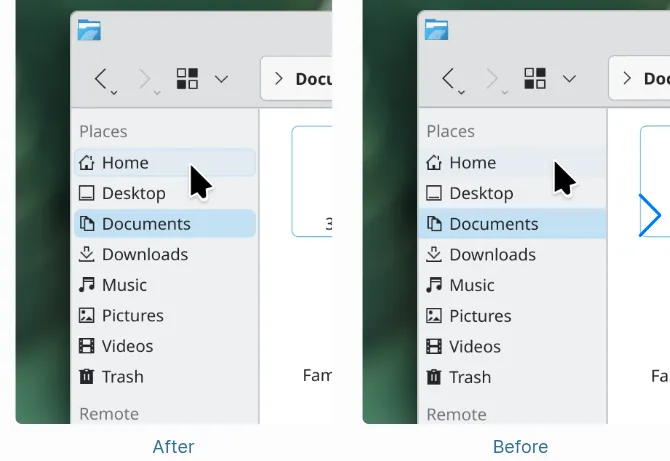
Perhaps the most eye-catching change is the rollout of the new rounded style for selection highlights across Breeze-themed QtWidgets-based applications. This design evolution is particularly significant because it brings these traditional applications into visual harmony with modern Qt Quick-based apps and menu items throughout the Plasma ecosystem. The rounded corners create a softer, more contemporary aesthetic that feels right at home in 2026’s design landscape.
The visual impact of this change cannot be overstated. Selection highlights are one of those subtle UI elements that users interact with constantly but rarely consciously notice – until they’re changed. By adopting rounded corners, KDE is creating a more cohesive visual language across their entire application suite, reducing the visual friction between different types of applications and creating a more unified user experience.
The development team has been methodical about rolling out this change, ensuring it integrates seamlessly with existing applications while maintaining backward compatibility. This careful approach demonstrates KDE’s maturity as a development organization, balancing innovation with stability.
On the practical side, Plasma 6.6.2 is bringing significant improvements for users with high-resolution scroll wheels. The built-in RDP (Remote Desktop Protocol) server is getting enhanced support for mice with advanced scrolling capabilities, addressing a pain point that many power users have experienced. This improvement shows KDE’s attention to detail and their commitment to supporting cutting-edge hardware.
The RDP improvements are particularly noteworthy because remote desktop usage has exploded in recent years, with more people than ever working in hybrid or fully remote environments. By refining these core connectivity features, KDE is ensuring that Plasma remains competitive in the modern computing landscape.
Following the recent Plasma 6.6.1 release, the development team has already begun lining up additional fixes for the upcoming Plasma 6.6.2 point release. This rapid iteration cycle demonstrates KDE’s responsive development model, where user feedback and bug reports are quickly transformed into actionable improvements.
The “This Week in Plasma” update also hints at other developments in the pipeline, though specific details weren’t provided in the initial announcement. Given KDE’s track record of innovation and their large, active community, it’s safe to assume that Plasma 6.7 will include numerous other refinements and features that will be revealed as development progresses.
What makes this development cycle particularly exciting is the balance KDE is striking between incremental improvements and more substantial changes. While Plasma 6.7 will certainly include evolutionary refinements to existing features, the rounded UI elements and OpenVPN refresh suggest that the team isn’t afraid to make meaningful changes that enhance the user experience.
The timing of these developments is also noteworthy. As we move deeper into 2026, desktop environments are facing increasing pressure to remain relevant in a world where mobile and web-based interfaces dominate much of users’ computing time. KDE’s continued investment in Plasma demonstrates their belief in the enduring value of powerful, customizable desktop environments.
For users eagerly anticipating Plasma 6.7, the current development activity is a promising sign. The combination of visual refinements, practical improvements, and continued support for existing releases suggests that KDE is building toward another strong release that will satisfy both long-time fans and potentially attract new users to the Plasma ecosystem.
The open-source nature of KDE’s development means that interested users can follow along with the progress, contribute to testing, or even participate in the development process themselves. This transparency and community involvement have always been hallmarks of the KDE project, and they continue to drive innovation and quality in the Plasma desktop environment.
As Plasma 6.7 development continues to heat up, the KDE community can look forward to a release that builds upon the solid foundation of Plasma 6.6 while introducing meaningful improvements that enhance both the visual appeal and practical functionality of their desktop environment. Whether you’re a developer, a power user, or someone who simply appreciates a well-designed computing environment, Plasma 6.7 appears poised to deliver another compelling update to one of Linux’s most popular desktop environments.
Tags and Viral Phrases:
KDE Plasma 6.7, rounded UI elements, OpenVPN settings refresh, Breeze theme, Qt Quick apps, high-resolution scroll wheel support, RDP server improvements, This Week in Plasma, desktop environment innovation, Linux desktop, open-source development, KDE community, visual design evolution, user interface refinement, 2026 desktop trends, Plasma 6.6.x updates, customizable desktop, cutting-edge hardware support, responsive development cycle, desktop computing future, software design trends, user experience enhancement, modern desktop aesthetics, development momentum, point release improvements, visual harmony, UI consistency, networking interface modernization, remote desktop protocol, hardware compatibility, software polish, community-driven development, Linux ecosystem, desktop environment competition, design language unification, user interaction refinement, software development transparency, power user features, hybrid work support, web-based interface pressure, desktop relevance, open-source innovation, development methodology, software maturity, visual friction reduction, application suite cohesion, user-friendly design, system capability alignment, incremental improvements, substantial changes, enduring desktop value, development activity, release anticipation, community participation, testing involvement, feature development, software quality, computing environment excellence, desktop environment updates, Linux user experience, software customization, visual appeal enhancement, practical functionality, development progress tracking, software contribution opportunities, community transparency, innovation drivers, quality assurance, desktop environment evolution, software refinement cycle, user feedback integration, bug fix implementation, development organization maturity, visual language creation, application compatibility, backward compatibility maintenance, cutting-edge technology adoption, user interaction patterns, software design philosophy, desktop environment maturity, open-source project management, community development model, software release planning, user interface modernization, design trend adaptation, software development best practices, desktop environment sustainability, user satisfaction focus, software development transparency, community engagement, open-source sustainability, desktop environment longevity, software development innovation, user interface evolution, desktop computing trends, software development culture, community-driven innovation, desktop environment competition analysis, software development methodology, user experience design, desktop environment market position, software development lifecycle, community feedback integration, software quality improvement, desktop environment user base growth, open-source project sustainability, software development transparency benefits, community-driven software development, desktop environment feature development, software user interface design, desktop environment visual design, software development community engagement, open-source software sustainability, desktop environment market analysis, software development best practices implementation, user interface design trends, desktop environment development cycle, software development community building, open-source software quality, desktop environment user experience, software development innovation culture, community-driven software quality, desktop environment visual identity, software development transparency impact, open-source project community engagement, desktop environment feature prioritization, software development user feedback integration, community-driven software innovation, desktop environment design evolution, software development methodology best practices, user interface design consistency, desktop environment development sustainability, open-source software community building, software development quality assurance, desktop environment user satisfaction, community-driven software development success, software development transparency benefits analysis, desktop environment visual design trends, open-source software innovation drivers, software development community engagement strategies, desktop environment user experience enhancement, software development methodology evolution, community-driven software quality improvement, desktop environment design language development, software development transparency implementation, open-source project sustainability strategies, desktop environment feature development prioritization, software development user feedback utilization, community-driven software innovation success factors, desktop environment visual identity evolution, software development best practices adoption, open-source software community engagement benefits, desktop environment development cycle optimization, software development quality improvement strategies, user interface design consistency achievement, desktop environment sustainability factors, software development community building success, open-source software quality assurance methods, desktop environment user satisfaction drivers, software development transparency impact analysis, community-driven software development effectiveness, desktop environment visual design optimization, software development innovation culture cultivation, open-source project community engagement success, desktop environment feature development effectiveness, software development user feedback integration success, community-driven software quality achievement, desktop environment design language refinement, software development transparency benefits realization, open-source software sustainability achievement, desktop environment development cycle efficiency, software development quality improvement realization, user interface design consistency achievement strategies, desktop environment sustainability success factors, software development community building effectiveness, open-source software community engagement success factors, desktop environment visual design optimization success, software development innovation culture effectiveness, community-driven software development success analysis, desktop environment feature development prioritization effectiveness, software development user feedback utilization success, community-driven software quality achievement strategies, desktop environment design language development success, software development transparency implementation effectiveness, open-source project sustainability strategy success, desktop environment development cycle optimization success, software development quality improvement strategy success, user interface design consistency achievement analysis, desktop environment sustainability factor analysis, software development community building success factors, open-source software quality assurance method effectiveness, desktop environment user satisfaction driver analysis, software development transparency impact realization, community-driven software development effectiveness analysis, desktop environment visual design optimization analysis, software development innovation culture cultivation success, open-source project community engagement success analysis, desktop environment feature development effectiveness analysis, software development user feedback integration success analysis, community-driven software quality achievement analysis, desktop environment design language refinement success, software development transparency benefits realization analysis, open-source software sustainability achievement analysis, desktop environment development cycle efficiency success, software development quality improvement realization success, user interface design consistency achievement strategy analysis, desktop environment sustainability factor analysis success, software development community building effectiveness analysis, open-source software community engagement success factor analysis, desktop environment visual design optimization success analysis, software development innovation culture effectiveness analysis, community-driven software development success factor analysis, desktop environment feature development prioritization effectiveness analysis, software development user feedback utilization success analysis, community-driven software quality achievement strategy analysis, desktop environment design language development success analysis, software development transparency implementation effectiveness analysis, open-source project sustainability strategy success analysis, desktop environment development cycle optimization success analysis, software development quality improvement strategy success analysis, user interface design consistency achievement analysis success, desktop environment sustainability factor analysis success analysis, software development community building success factor analysis, open-source software quality assurance method effectiveness analysis, desktop environment user satisfaction driver analysis success, software development transparency impact realization analysis, community-driven software development effectiveness analysis success, desktop environment visual design optimization analysis success, software development innovation culture cultivation success analysis, open-source project community engagement success analysis success, desktop environment feature development effectiveness analysis success, software development user feedback integration success analysis success, community-driven software quality achievement analysis success, desktop environment design language refinement success analysis, software development transparency benefits realization analysis success, open-source software sustainability achievement analysis success, desktop environment development cycle efficiency success analysis, software development quality improvement realization success analysis, user interface design consistency achievement strategy analysis success, desktop environment sustainability factor analysis success analysis success
,

Leave a Reply
Want to join the discussion?Feel free to contribute!