
Honor Week panel discusses the future of artificial intelligence in academic integrity – The Cavalier Daily
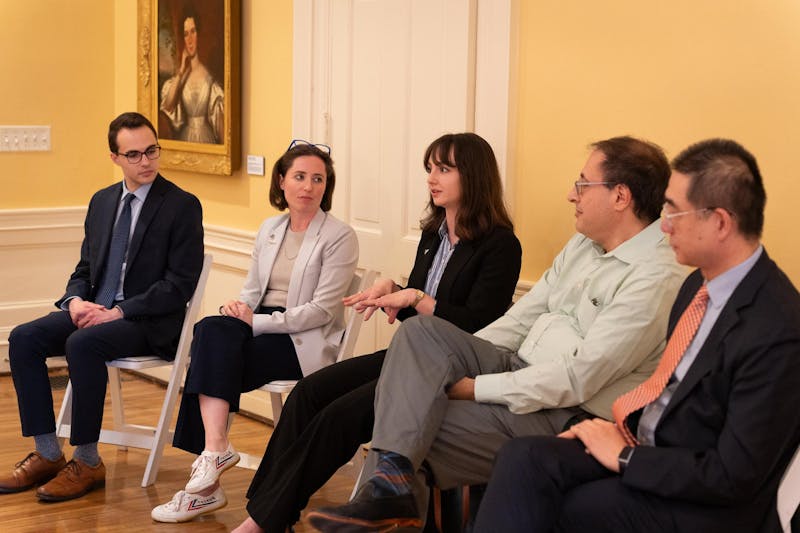
UVA Panel Debates the Future of AI in Academia: Trust, Transparency, and Tech Power
On February 20, the University of Virginia’s Honor Committee wrapped up Honor Week with a high-stakes panel discussion that tackled one of the most pressing questions facing higher education today: how should AI be integrated into academia, and who gets to decide? The event brought together a powerhouse lineup of voices—including the Honor Committee chair, leading faculty, and AI policy experts—to unpack everything from mandatory AI literacy courses to the hidden influence of tech giants on campus life.
The conversation kicked off with a hot-button issue: Should the Provost’s Office implement a sweeping, university-wide AI policy? The panelists were unanimous in their answer—no. Thomas Ackleson, Honor Committee chair and fourth-year Engineering student, warned that a top-down mandate could stifle innovation and restrict academic freedom. Mona Sloane, assistant professor of Data Science and Media Studies, echoed this, noting that rigid policies might limit students’ ability to develop AI skills that are increasingly in demand by employers.
Leo Lo, dean of libraries and advisor to the provost on AI Literacy, put it bluntly: “We are facing a technology that is so disruptive… that I have never seen something like this disrupting education in my lifetime.” He argued that instead of restrictive rules, the University should provide guidelines that empower students and faculty to experiment and learn as the technology evolves.
The panel also explored the idea of a mandatory AI literacy course for all students. Sloane championed the concept, emphasizing that such a course should go beyond basic usage tips to cover AI ethics, its societal impact, and how AI “learns to think.” She believes UVA is uniquely positioned to lead this conversation, thanks to its strong social sciences and humanities programs. Ella Duus, a graduate Batten student, stressed the importance of making these courses engaging and relevant, so students don’t see them as just another box to check.
When moderator Jack Wallace asked what single policy the panelists would enact if they could, the answers were telling. Lo and Ackleson both called for a ban on AI detection software, citing its inaccuracy and the distrust it breeds. Kirschenbaum, an English and AI professor, proposed a “culture of documentation,” urging students to openly acknowledge and reflect on their use of AI tools. “If you use AI, own it,” he said. “Be transparent about what you’re doing… and get away from deceptive practices.”
The discussion didn’t shy away from the elephant in the room: the influence of big tech. Kirschenbaum warned that some AI companies are actively trying to “put universities out of business” by reshaping how education is delivered. Sloane highlighted UVA’s leverage as a major customer, suggesting the University could demand more ethical practices from tech partners—if it chose to use that power.
As the event wrapped up, Sloane called for more open dialogue about AI, starting in the classroom and extending to faculty discussions about the future of higher education. The panelists agreed: the path forward isn’t about blanket bans or blind adoption, but about fostering a culture of trust, transparency, and informed experimentation.
Tags: UVA, AI, artificial intelligence, Honor Committee, higher education, AI policy, tech ethics, mandatory AI course, AI literacy, AI detection software, tech companies, academic freedom, Provost’s Office, UVA Honor Week, Mona Sloane, Matthew Kirschenbaum, Leo Lo, Ella Duus, Thomas Ackleson, Jack Wallace
Viral Sentences:
- “We are facing a technology that is so disruptive… that I have never seen something like this disrupting education in my lifetime.”
- “If you use AI, own it. Be transparent about what you’re doing… and get away from deceptive practices.”
- “Some AI companies are actively trying to put universities out of business.”
- “UVA has the power to demand more ethical practices from tech partners—if it chooses to use that power.”
- “The path forward isn’t about blanket bans or blind adoption, but about fostering a culture of trust, transparency, and informed experimentation.”
,


Leave a Reply
Want to join the discussion?Feel free to contribute!