
Air Pollution Is Wreaking Havoc on Ants, And The Effects Are Alarming : ScienceAlert
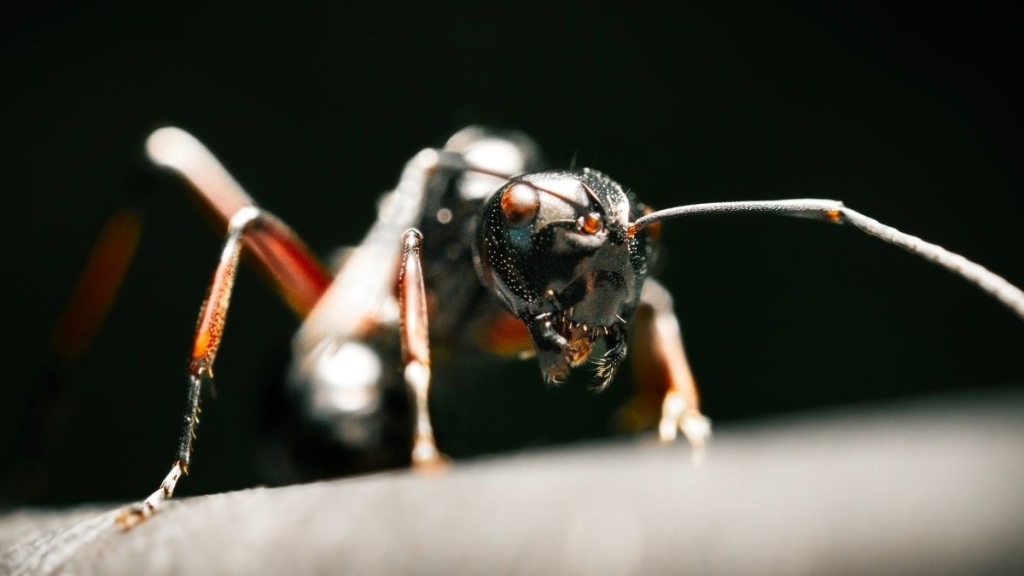
Title: “Air Pollution is Wreaking Havoc on Ant Societies, Study Finds”
Ants are among the most fascinating and industrious creatures on Earth. Their complex societies, intricate communication systems, and remarkable teamwork have long captivated scientists and nature enthusiasts alike. However, a groundbreaking new study from the Max-Planck Institute reveals that human-induced air pollution is disrupting the very foundation of ant society, threatening their survival and the delicate balance of ecosystems worldwide.
The Scent of Belonging: How Ants Recognize Each Other
For ants, scent is everything. Each ant within a colony carries a unique chemical signature—a blend of stable alkanes and colony-specific alkenes—that acts as a “passport” for identification. This olfactory system allows ants to distinguish between nestmates and intruders, ensuring the colony’s safety and cohesion. But this finely tuned system is now under siege.
Ozone Pollution: The Invisible Threat
Ozone, a powerful oxidant pollutant, has surged in the atmosphere due to human activities such as industrial emissions and vehicle exhaust. While ozone levels in rural areas typically hover around 10 parts per billion (ppb), urban environments can see concentrations skyrocket to 30-200 ppb, especially during summer months. This increase is proving catastrophic for ants.
The Experiment: A Shocking Discovery
In a controlled study, researchers exposed six different ant species to ozone levels equivalent to those found in polluted cities (100 ppb). The results were staggering. Even after just 20 minutes of exposure, the ants’ chemical signatures were altered. The alkenes responsible for colony recognition were degraded, rendering the ants unrecognizable to their nestmates.
The consequences were immediate and severe. In five of the six species tested, ants that had been exposed to ozone were met with aggression upon their return to the colony. Nestmates, unable to recognize their altered scent, attacked and threatened their own kin. In one particularly alarming finding, ozone exposure disrupted brood care behavior, leading to the death of larvae in small ant colonies.
A Broader Impact on Ecosystems
Ants play a critical role in maintaining ecological balance. They aerate soil, disperse seeds, and clean up organic waste. With an estimated 30,000 ant species worldwide, their collective biomass rivals that of all birds and mammals combined. The disruption of ant societies could have far-reaching consequences for ecosystems and biodiversity.
The Bigger Picture: Insects Under Siege
This study adds to a growing body of evidence that human activity is harming insect populations in ways we are only beginning to understand. While pesticides, climate change, and habitat loss are well-documented threats, this research highlights the insidious effects of air pollution on insect communication and behavior. Similar disruptions have been observed in flower-pollinator interactions and the mating signals of flies, suggesting that the impact of pollutants like ozone may be far more widespread than previously thought.
What Can Be Done?
The findings underscore the urgent need for stricter air quality regulations and pollution control measures. Reducing ozone levels could help preserve not only ant societies but also the countless other species that depend on them. As lead researcher Nan-Ji Jiang puts it, “The detrimental effects of oxidant pollutants may be even more far-reaching by jeopardizing the functionality of eusocial colonies.”
Conclusion: A Call to Action
The study, published in the Proceedings of the National Academy of Sciences, serves as a stark reminder of the interconnectedness of life on Earth. The survival of ants—and the ecosystems they support—hinges on our ability to address the root causes of pollution. As we strive to protect these tiny but mighty creatures, we must also recognize the broader implications for biodiversity and the health of our planet.
Tags: #AirPollution #AntSocieties #Ozone #Biodiversity #EcosystemHealth #ClimateChange #InsectDecline #MaxPlanckInstitute #EnvironmentalScience #PollutionEffects #ColonyCollapse #NatureUnderThreat
Viral Phrases: “Ants under attack by their own kind!” “Pollution is breaking ant society!” “The silent crisis: How air pollution is killing ant colonies!” “Ants: The unsung heroes of our ecosystems!” “Ozone: The invisible enemy of insect life!” “Nature’s delicate balance is at risk!” “Ants are more important than you think!” “Pollution is disrupting nature’s communication!” “The hidden cost of urban smog!” “Ants are fighting for survival—and so are we!”
,

Leave a Reply
Want to join the discussion?Feel free to contribute!