
WWDC 2026 to introduce Core AI as replacement for Core ML
Apple Readies “Core AI” to Replace Core ML, Signaling Major Shift in Developer Strategy
Apple is preparing to unveil a significant overhaul of its machine learning infrastructure at WWDC 2026, with reports indicating the company will introduce Core AI—a next-generation framework designed to eventually replace Core ML. This move underscores Apple’s accelerating pivot toward generative AI and advanced on-device intelligence, as the tech giant seeks to maintain its competitive edge in an increasingly AI-driven ecosystem.
According to Bloomberg’s Power On newsletter, Apple’s strategy involves positioning Core AI as the successor to Core ML, though both frameworks may coexist for a transitional period. This dual-framework approach would allow developers time to migrate their existing machine learning models while exploring the expanded capabilities of Core AI.
The Evolution from Core ML to Core AI
Core ML, introduced in 2017, revolutionized how developers integrate machine learning into iOS, iPadOS, macOS, watchOS, and tvOS applications. Over the years, the framework has evolved from basic image recognition and natural language processing to supporting generative AI tools and sophisticated neural networks. However, the rapid advancement of AI technology has exposed limitations in Core ML’s architecture, particularly when handling the computational demands of modern generative models.
Core AI represents Apple’s answer to these challenges. While specific technical details remain under wraps, industry analysts speculate that the new framework will offer:
- Enhanced computational efficiency for on-device AI processing
- Native support for transformer models and other state-of-the-art architectures
- Improved integration with Apple Silicon’s Neural Engine
- Streamlined deployment of large language models and multimodal systems
Siri’s Transformation and the AI-First Future
The timing of Core AI’s introduction aligns with Apple’s broader AI strategy, which includes a major Siri overhaul. During WWDC 2026, Apple is expected to showcase Gemini-trained Apple Foundation Models alongside new chatbot-like Siri functionalities. These enhancements aim to transform Siri from a voice assistant into a truly conversational AI capable of understanding context, maintaining dialogue history, and executing complex tasks across applications.
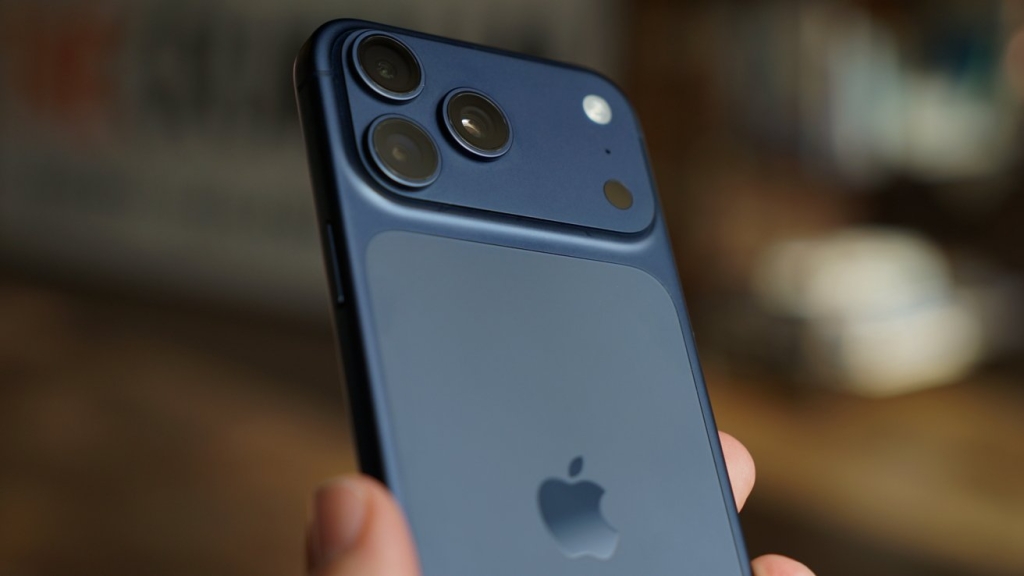
The iPhone 17 Pro Max, already positioned as an AI powerhouse, will likely serve as the flagship device demonstrating these capabilities. With its advanced camera system, enhanced Neural Engine, and expanded memory bandwidth, the device is engineered to handle the intensive computational requirements of next-generation AI features.
Developer Ecosystem Implications
For Apple’s developer community, the transition from Core ML to Core AI represents both opportunity and challenge. Developers who have invested significant time mastering Core ML will need to adapt their workflows and potentially rewrite portions of their AI implementations. However, the promise of Core AI’s enhanced capabilities—particularly for generative AI applications—may justify the migration effort.
Apple’s decision to maintain both frameworks during a transition period suggests awareness of the disruption this change could cause. This approach mirrors previous Apple transitions, such as the move from OpenGL to Metal in graphics processing, where dual support allowed developers to upgrade at their own pace while ensuring existing applications continued functioning.
Competitive Landscape and Market Positioning
The introduction of Core AI comes at a critical juncture in the AI race. Competitors like Google, Microsoft, and Meta have made significant strides in AI development, with Google’s Gemini models, Microsoft’s Copilot integration, and Meta’s open-source Llama models setting new benchmarks for capability and accessibility.
Apple’s strategy appears to focus on differentiation through privacy and integration rather than raw performance metrics. By emphasizing on-device processing and tight integration with Apple’s hardware ecosystem, Core AI could offer advantages in data privacy, reduced latency, and battery efficiency—areas where cloud-dependent solutions often fall short.
Technical Architecture and Performance Expectations
While Apple hasn’t released official specifications for Core AI, several industry experts have analyzed the potential architecture based on Apple’s recent technological developments. The framework is likely to leverage:
Advanced quantization techniques to reduce model size without sacrificing accuracy, enabling complex AI models to run efficiently on mobile devices. Hardware-level optimizations specifically designed for Apple Silicon’s Neural Engine, potentially including new instruction sets or processing units dedicated to AI workloads.
Enhanced memory management to handle the large context windows required by modern language models, addressing one of the primary bottlenecks in on-device AI processing. Improved model compression algorithms that maintain performance while significantly reducing the computational resources required.
Privacy-First AI Implementation
Apple’s commitment to user privacy has consistently differentiated its products from competitors. Core AI is expected to continue this tradition by emphasizing on-device processing wherever possible, minimizing the need to transmit sensitive data to cloud servers. This approach not only protects user privacy but also reduces latency and enables functionality in environments with limited connectivity.
The framework may incorporate advanced federated learning techniques, allowing models to improve through collective user data without individual data ever leaving the device. This methodology has been successfully employed in features like QuickType keyboard suggestions and Photos search, and Core AI could extend these principles to more sophisticated AI applications.
Timeline and Developer Preparation
With WWDC 2026 scheduled for June, developers have approximately 10 months to prepare for the transition. Apple typically provides beta versions of new frameworks during WWDC, followed by public releases in subsequent months. This timeline allows developers to experiment with Core AI, migrate existing projects, and develop new AI-powered applications that leverage the framework’s enhanced capabilities.
The transition period will likely involve extensive documentation, sample code, and potentially migration tools to assist developers in converting Core ML implementations to Core AI. Apple’s developer relations team has historically provided robust support during major framework transitions, and the AI transition is expected to be no exception.
Industry Impact and Future Implications
The introduction of Core AI could have far-reaching implications beyond Apple’s immediate ecosystem. As one of the world’s most influential technology companies, Apple’s framework decisions often set industry standards. The success of Core AI could accelerate the broader adoption of on-device AI processing, influencing everything from smartphone design to cloud infrastructure development.
Moreover, Core AI’s architecture and capabilities will likely influence Apple’s other products, including future MacBooks, Apple Watches, and potentially new categories of devices. The framework’s emphasis on efficiency and privacy aligns with Apple’s broader product philosophy and could enable AI features in devices with more constrained resources than smartphones.
Challenges and Considerations
Despite the potential benefits, Apple faces several challenges in executing this transition successfully. The AI development community has become accustomed to open-source frameworks like TensorFlow and PyTorch, which offer extensive flexibility and community support. Apple will need to demonstrate that Core AI can match or exceed these frameworks’ capabilities while maintaining its characteristic emphasis on ease of use and integration.
Additionally, the rapid pace of AI advancement means that any framework Apple introduces must be sufficiently flexible to accommodate future developments. The company’s track record with developer frameworks suggests it understands this requirement, but the unprecedented speed of AI innovation presents unique challenges.
Looking Ahead
As WWDC 2026 approaches, anticipation continues to build around Apple’s AI strategy. The introduction of Core AI represents more than just a framework update—it signals Apple’s commitment to remaining at the forefront of the AI revolution while maintaining its core values of privacy, integration, and user experience.
For developers, the transition to Core AI offers an opportunity to create more sophisticated, responsive, and private AI applications. For users, it promises a future where intelligent features are seamlessly integrated into their devices without compromising their privacy or requiring constant internet connectivity.
The success of this transition could determine Apple’s competitive position in the AI era, making Core AI one of the most significant developer framework announcements in recent memory. As the tech world watches closely, Apple appears poised to redefine what’s possible with on-device artificial intelligence.
Tags & Viral Phrases:
Apple Core AI, WWDC 2026, Siri AI overhaul, machine learning framework, on-device AI, generative AI, Apple Foundation Models, Neural Engine optimization, privacy-first AI, developer revolution, iPhone 17 Pro Max AI, future of mobile intelligence, Apple Silicon AI, transformer models, federated learning, AI ecosystem, competitive advantage, technological innovation, framework migration, intelligent assistant, next-gen AI development, Apple ecosystem integration, computational efficiency, AI architecture, developer community, machine learning evolution, privacy technology, AI framework, Apple strategy, future of computing
Key Terms:
Core AI, Core ML replacement, Apple AI strategy, WWDC announcement, Siri transformation, on-device processing, generative models, developer framework, Apple Silicon, privacy-focused AI, AI competition, technological shift, machine learning evolution, framework transition, intelligent computing
,


Leave a Reply
Want to join the discussion?Feel free to contribute!