
Where Humane Failed, Qualcomm Imagines the Future Is Filled With AI Pins
The wearable tech landscape is undergoing a seismic shift, and Qualcomm is at the epicenter of this transformation. With the unveiling of the Snapdragon Wear Elite, the company is not just pushing the boundaries of smartwatch technology but is also laying the groundwork for a new era of AI-powered wearables. This isn’t just about faster processors or better graphics—it’s about reimagining what wearable devices can be and how they can integrate into our lives.
### The Evolution of Wearables: Beyond Smartwatches
When we think of wearables, smartwatches are often the first devices that come to mind. But the term “wearables” is becoming increasingly nebulous. Is an exoskeleton a wearable? What about AI pins, pendants, or even AR glasses? Qualcomm’s Snapdragon Wear Elite is designed to cater to this diverse ecosystem, offering a chipset that’s not just for smartwatches but for any device that can be worn and powered by AI.
The Snapdragon Wear Elite is built on a 3nm process node, a significant leap in efficiency and performance. It features Qualcomm’s Hexagon NPU (Neural Processing Unit), which is specifically designed to handle low-end AI tasks. Additionally, the chip includes an extra eNPU AI accelerator for low-power AI use cases, ensuring that devices can run AI models without draining the battery.
### Performance Boost: What’s Under the Hood?
Qualcomm claims that the Snapdragon Wear Elite offers a five-fold improvement in single-thread CPU performance compared to its predecessor, the W5 Gen 2 chip. This means that next-generation smartwatches and other wearables will be significantly more responsive, with faster app loading times and smoother overall performance.
The GPU has also been enhanced, allowing for better graphics and higher frame rates. This is particularly important for devices that rely on visual interfaces or augmented reality. But the real star of the show is the chip’s ability to handle a 2 billion parameter AI model on-device. To put that into perspective, Google’s smallest AI model, Gemma, is a 270 million parameter model. This means the Snapdragon Wear Elite is capable of running a very small conversational AI model directly on the device, without needing to rely on cloud processing.
### AI Vision and Beyond
One of the most exciting features of the Snapdragon Wear Elite is its enhanced image stabilization for tiny cameras. The chip supports cameras that can capture 1080p video at 60 fps, which is a significant improvement for such small devices. This opens up new possibilities for AI vision models, allowing wearables to “see” and process their surroundings in real-time.
However, there’s a catch: AI vision models typically require a constant internet connection to function effectively. This has been a major hurdle for previous attempts at AI wearables, as the need for constant connectivity can be a dealbreaker for many users. Even if you ignore the occasional inconsistencies or outright inaccuracies of AI, the reliance on a stable internet connection has held back the widespread adoption of AI wearables.
### The Future of AI Wearables: A Brave New World
Qualcomm’s senior director of project management, John Kehrli, told Gizmodo that the company is already in talks with multiple companies to develop new AI wearables. The possibilities are endless: from Meta’s Ray-Ban smartglasses to Razer’s Project Motoko gaming headset, which features two camera lenses to let AI provide commentary on your gameplay.
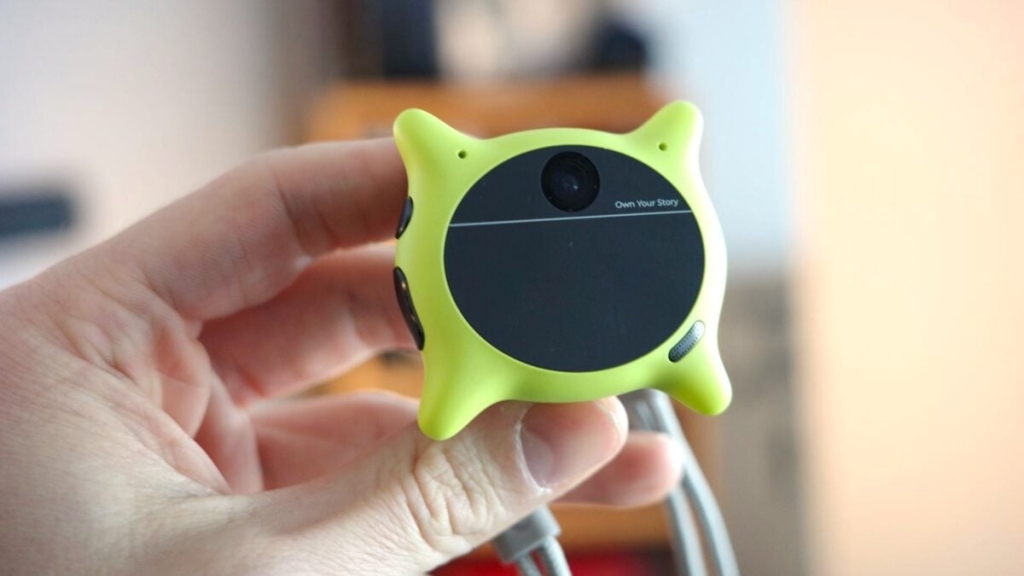
Then there’s the Looki L1, a self-described “personal AI wearable” that hangs around your neck and offers commentary or records your life with its built-in camera. The Looki L1 is currently running on Qualcomm’s W5 Gen 2 chip, but it’s easy to imagine how the Snapdragon Wear Elite could take such devices to the next level.
### Learning from Past Failures
The road to AI wearables has been fraught with failures. Humane’s AI pin, which raised $240 million in investments, was a prime example of what can go wrong. The device required a constant internet connection and overheated during basic tasks, leading to its eventual demise. Humane eventually sold its assets to HP, and the AI pin became a cautionary tale for the industry.
Other devices, like the Plaud AI Pin, are essentially recording devices that rely on cloud-based AI for transcription. Then there’s Friend, a startup that raised millions to create an AI pendant that would send you texts about your life. Despite a million-dollar ad campaign, the company eventually pivoted away from hardware to focus on a chatbot website interface.
### The Challenge of Use Cases
One of the biggest challenges facing AI wearables is the lack of a clear use case. As Kehrli pointed out, “What might make sense for you may not make sense for me.” This means that the next wave of AI wearables could be highly specialized, catering to specific needs or preferences. However, this also means that companies need to be more thoughtful about how they design and market these devices.
For example, OpenAI and Jony Ive are reportedly working on a device that could be a smart speaker with built-in cameras. Similarly, Apple is rumored to be developing an AI pendant that’s essentially a more advanced version of the Humane AI pin, with an AI-enhanced Siri built in. These devices are hard to judge based on descriptions alone, and it’s unclear whether they will resonate with consumers.
### The Road Ahead
The Snapdragon Wear Elite represents a significant step forward for AI wearables, but it’s just the beginning. As companies continue to experiment with different form factors and use cases, we can expect to see a wide variety of AI-powered devices hitting the market in the coming years.
The key to success will be finding the right balance between functionality, usability, and privacy. Devices that are too niche or too reliant on constant connectivity may struggle to gain traction, while those that offer genuine value and convenience could become indispensable.
### Tags:
#AIWearables #SnapdragonWearElite #Qualcomm #WearableTech #AI #Smartwatches #ARGlasses #Exoskeletons #TechInnovation #FutureTech
### Viral Sentences:
– “The future of wearables is here, and it’s powered by AI.”
– “Qualcomm’s Snapdragon Wear Elite: The chip that’s redefining what we can wear.”
– “From smartwatches to AI pins, the wearable revolution is just getting started.”
– “AI wearables are the next big thing—but do we really need them?”
– “The Snapdragon Wear Elite is not just a chip; it’s a glimpse into the future of tech.”,

Leave a Reply
Want to join the discussion?Feel free to contribute!