
Why I love Diablo 2, Act 1
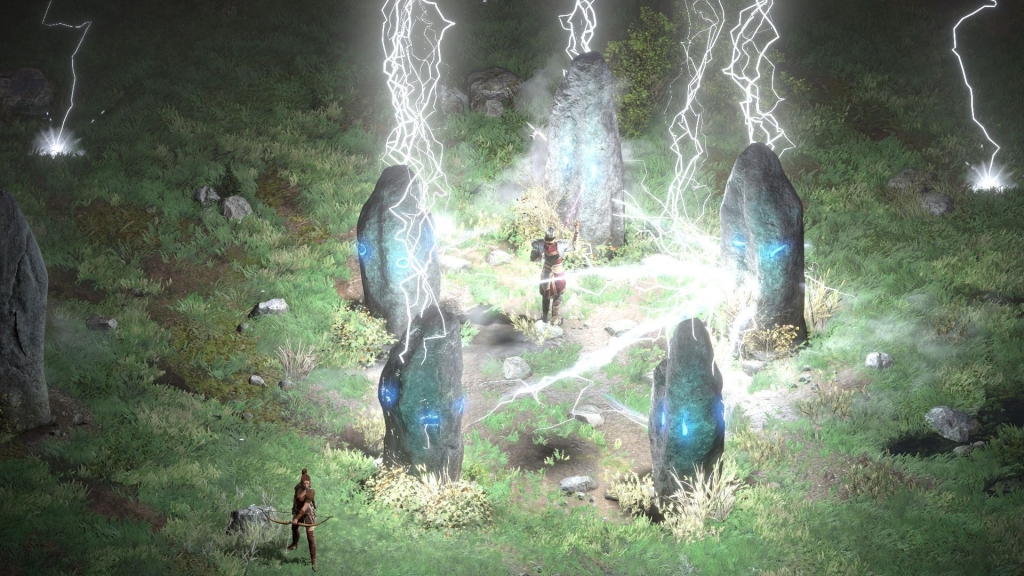
Diablo II’s Act 1: Why the Dark Opening Still Haunts Gamers 25 Years Later
When Diablo II launched in 2000, it wasn’t just a sequel—it was a masterclass in atmospheric world-building that set a standard for dark fantasy RPGs that remains unmatched. The game’s opening act, set in the mist-shrouded Blood Moor and surrounding areas, represents what many consider the pinnacle of Blizzard’s ability to create immersive, terrifying environments that feel both familiar and fresh.
The Genius of Blood Moor’s Design
There’s something inexplicably magnetic about Diablo II’s Act 1 that keeps players returning, even decades later. The Blood Moor, with its perpetually damp atmosphere and eerie lighting, creates a sense of dread that permeates every step. Unlike later acts that experimented with more exotic settings, Blood Moor feels like a direct continuation of the original Diablo’s Tristram—a place where darkness isn’t just present, it’s the default state of being.
The genius lies in how Blizzard balanced familiarity with innovation. Players stepping out of the Rogue Encampment immediately recognize the Gothic horror aesthetic from the first game, but everything feels expanded, more dangerous, more alive with malevolence. The rain-slicked fields, the gnarled trees that seem to watch your every move, the way fog obscures threats just beyond your vision—it’s horror game design perfected.
Combat That Demands Tactical Thinking
What separates Diablo II’s Act 1 from countless other dungeon crawlers is how enemy design forces players to think strategically. The Fallen’s shaman mechanic—where killing the little imps without eliminating their resurrector first means they’ll pop right back up—wasn’t just frustrating, it was brilliant. It taught players to prioritize targets, to observe enemy behavior patterns, and to never get complacent.
The corrupted rogues charging from the mist, their spirits visibly leaving their bodies in a grotesque visual effect that still holds up today, create moments of genuine panic. Goatmen braying their challenge, the distinctive “Rakanishu!” chant of the Fallen—these aren’t just enemies, they’re part of a ecosystem of terror that makes every encounter feel meaningful.
Tristram’s Return: When Fan Service Becomes Art
Perhaps the most brilliant moment in Act 1 is the return to Tristram. This isn’t just a nostalgic callback—it’s a statement of intent. The village you fought to save in the original Diablo is now a burning ruin, its former inhabitants twisted into undead horrors. Even Griswold, the friendly blacksmith who helped you in your darkest hour, is now a boss you must defeat.
This transformation of a beloved location into something nightmarish perfectly captures Diablo’s thematic core: evil doesn’t stay defeated, and victory is always temporary. The fact that Wirt’s body is reduced to just a leg (and a pile of gold) is dark humor at its finest—a reminder that even in death, the game doesn’t take itself too seriously.
The Catacombs: A Return to Form
While later acts experimented with more exotic dungeon designs—the claustrophobic Maggot Lair, the teleport-heavy Arcane Sanctuary—the Catacombs beneath the cathedral represent a perfect synthesis of the original Diablo’s design philosophy with the expanded scope of the sequel. These aren’t just random corridors; they’re a descent into hell itself, each level deeper than the last, each new threat more terrifying than the previous.
The Catacombs feel like the natural conclusion to Act 1’s narrative arc. You’ve explored the surface world, dealt with corrupted wildlife and fallen warriors, but the true evil lies beneath. The descent feels both inevitable and terrifying, a journey into darkness that every Diablo fan understands on a primal level.
Why Act 1 Still Matters
In an era where many games front-load their best content to hook players immediately, Diablo II’s decision to save its most atmospheric, perfectly designed content for the opening act seems almost counterintuitive. Yet this choice creates a powerful emotional resonance. Players who fall in love with Act 1’s dark beauty often find themselves disappointed by later acts, not because they’re poorly designed, but because they can’t quite capture that same perfect blend of horror, familiarity, and tactical depth.
The rain-soaked fields of Blood Moor, the burning ruins of Tristram, the claustrophobic terror of the Catacombs—these aren’t just levels in a video game. They’re a masterclass in environmental storytelling, enemy design, and atmospheric world-building that continues to influence game design more than two decades later.
Viral Tags & Phrases
- Diablo II’s opening act still gives me chills
- Blood Moor atmospheric perfection
- Why Tristram’s destruction was brilliant storytelling
- Fallen shaman mechanics changed everything
- Gothic horror perfected in video games
- The Catacombs descent into darkness
- Diablo II’s tactical combat brilliance
- 25 years later and still unmatched
- Blizzard’s dark fantasy masterpiece
- Why Act 1 ruins every other act
- Rakanishu! The sound of terror
- Corrupted rogues spirit effects
- Goatmen braying in the rain
- Tristram burning was necessary
- Wirt’s leg dark humor
- Diablo II’s rain-soaked horror
- Tactical RPG design excellence
- Gothic horror video game perfection
- Why Diablo II still matters
- The sound design that defined an era
- Atmospheric world-building masterclass
- Diablo II’s opening act perfection
- Why gamers still obsess over Blood Moor
- The design philosophy that influenced everything
- Diablo II’s lasting legacy in gaming
- Why the original Diablo II opening is still the best
- The moment gaming horror got it right
- Diablo II’s Act 1 atmospheric excellence
- Why returning to Tristram was brilliant
- The tactical depth that defined a generation
- Diablo II’s opening act still unmatched
- Why gamers keep coming back to Blood Moor
- The perfect blend of horror and familiarity
- Diablo II’s tactical combat brilliance
- Why the opening act still haunts gamers
- The design choices that made Diablo II legendary
- Diablo II’s opening act perfection
- Why gamers still obsess over Diablo II’s opening
- The atmospheric horror that defined a genre
- Diablo II’s opening act still gives me chills
- Why Tristram’s destruction was brilliant
- The tactical depth that defined a generation
- Diablo II’s opening act perfection
- Why gamers keep coming back to Blood Moor
- The perfect blend of horror and familiarity
- Diablo II’s tactical combat brilliance
- Why the opening act still haunts gamers
- The design choices that made Diablo II legendary
,


Leave a Reply
Want to join the discussion?Feel free to contribute!