
The Pentagon’s Claude Use in Iran Is a Reminder that Anthropic Never Objected to Military Use
Anthropic’s AI Showdown: From Pentagon Ban to App Store Triumph in 24 Hours
In a stunning turn of events that reads like a Hollywood thriller, Anthropic—the AI company behind the Claude chatbot—has gone from being labeled a “supply chain risk” by the U.S. Secretary of Defense to becoming the most downloaded free app on Apple’s App Store, all within a single day.
The controversy erupted when Secretary of Defense Pete Hegseth, in a fiery X post, denounced Anthropic’s “defective altruism,” claiming the company’s terms of service would “never outweigh the safety, the readiness, or the lives of American troops on the battlefield.” Hegseth went further, characterizing Anthropic’s stance against potential future uses of its products for mass surveillance or autonomous weaponry as “duplicity” and a “betrayal,” ultimately banning the company’s services among military contractors.
But here’s where the plot thickens: Just hours after this public condemnation, as tensions in the Middle East reached a boiling point, the Pentagon’s Central Command (CENTCOM) was reportedly using Anthropic’s Claude for “intelligence assessments, target identification, and simulating battle scenarios,” according to the Wall Street Journal.
This apparent contradiction—publicly banning while privately utilizing—has created a perfect storm of controversy and curiosity around the AI company. The situation intensified when President Trump labeled Anthropic’s team “leftwing nut jobs,” inadvertently triggering a surge in the app’s popularity.
The Numbers Don’t Lie: Claude’s Meteoric Rise
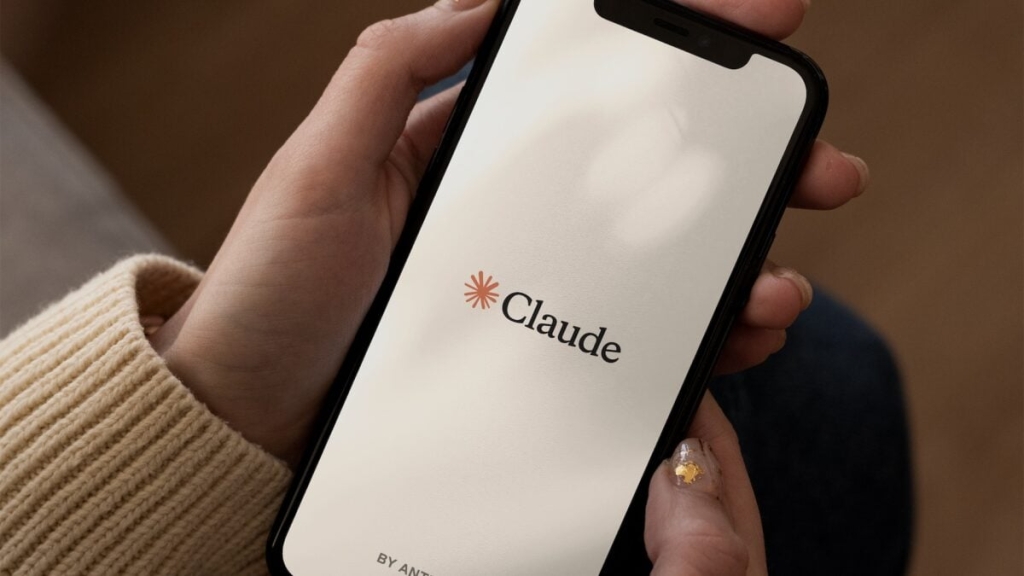
According to Ryan Donegan, an Anthropic spokesman, the company’s mobile app has just hit #1 on the US App Store, surpassing even ChatGPT. This marks an all-time high for the company and represents a dramatic shift in the AI landscape.
The timing is particularly noteworthy. Daily signups for Claude have tripled over the past four months, but the recent political drama has clearly accelerated this growth. The question on everyone’s mind: How much of this newfound popularity is directly connected to Anthropic’s conflict with the government?
OpenAI’s Contrasting Approach
While Anthropic navigates this political minefield, its chief competitor OpenAI has taken a different path. The company has announced a deepening partnership with the Pentagon, involving military applications of OpenAI products in classified use cases. OpenAI CEO Sam Altman has stated that Anthropic “may have wanted more operational control than we did,” highlighting the philosophical divide between the two AI giants.
The Ethics of AI in Warfare
At the heart of this controversy lies a fundamental question about the role of artificial intelligence in modern warfare. Anthropic has maintained “red lines” regarding certain applications of its technology, particularly concerning autonomous weapons and mass surveillance. However, the company’s CEO Dario Amodei has indicated a willingness to continue working with the Pentagon “as long as it is in line with our red lines.”
This nuanced position has drawn criticism from those who believe any military collaboration is problematic, while others argue that complete disengagement could be equally irresponsible given the strategic implications.
The Reality on the Ground
It’s crucial to note that, despite the heated rhetoric, we’re dealing largely in hypotheticals. There aren’t ChatGPT-powered killbots operating in Iran because of OpenAI’s new agreement, and Anthropic’s technology isn’t being used for autonomous weapons systems (at least not according to public information).
What we do know is that AI tools are increasingly being used to inform military decision-making processes, from intelligence analysis to scenario planning. The extent and nature of this involvement remain subjects of intense debate.
The Political Backlash
The controversy has also highlighted the growing politicization of AI technology. What began as a debate about ethical AI development has transformed into a political football, with companies being labeled based on their perceived ideological leanings rather than their technological merits.
This politicization raises serious concerns about the future of AI development in the United States. Will companies be forced to choose between ethical principles and government contracts? How will this affect innovation and competition in the sector?
Market Implications
From a business perspective, Anthropic’s situation presents a fascinating case study. The company has managed to turn political controversy into marketing gold, achieving a level of mainstream recognition that likely would have taken years to build organically.
However, the long-term implications remain uncertain. While the short-term boost in popularity is undeniable, the company must now navigate complex relationships with both the government and its user base, many of whom may have strong opinions about military applications of AI.
Looking Forward
As the dust settles on this latest AI controversy, several key questions remain unanswered:
- How will Anthropic balance its ethical principles with the practical realities of government contracting?
- Will other AI companies follow OpenAI’s lead in pursuing military partnerships, or will they adopt Anthropic’s more cautious approach?
- How will this controversy affect public perception of AI technology more broadly?
- What role should government regulation play in governing AI development and deployment?
The answers to these questions will likely shape the future of AI development for years to come.
Tags: Anthropic, Claude, OpenAI, Pentagon, Pete Hegseth, AI ethics, military AI, app store rankings, Trump, Dario Amodei, Sam Altman, CENTCOM, artificial intelligence, tech controversy, government contracts, AI regulation
Viral Phrases: “leftwing nut jobs,” “defective altruism,” “supply chain risk,” “duplicity and betrayal,” “AI battleground,” “the dagger in the back,” “hypothetical killbots,” “red lines in AI,” “political football,” “ethics vs. contracts,” “the app store triumph,” “24-hour drama,” “AI’s political minefield,” “the great AI divide,” “from ban to #1,” “AI’s ethical dilemma,” “the hypothetical future,” “turning controversy into currency,” “the Pentagon’s AI paradox”
,

Leave a Reply
Want to join the discussion?Feel free to contribute!