
Blumhouse Wants to Be Perfectly Balanced for Horror Fans
Blumhouse’s 2026 Pivot: More IP, But Still Originals—Just in a Different Balance
Blumhouse Productions, the horror studio that’s become synonymous with low-budget, high-concept scares, is recalibrating its strategy for 2026 and beyond. In a candid conversation with The Hollywood Reporter, CEO Jason Blum revealed that the studio is leaning more heavily into established intellectual property (IP), while still maintaining a commitment to original content—just not in the 50/50 split that’s characterized much of its past output.
The 2025 Rollercoaster: Hits, Misses, and Lessons Learned
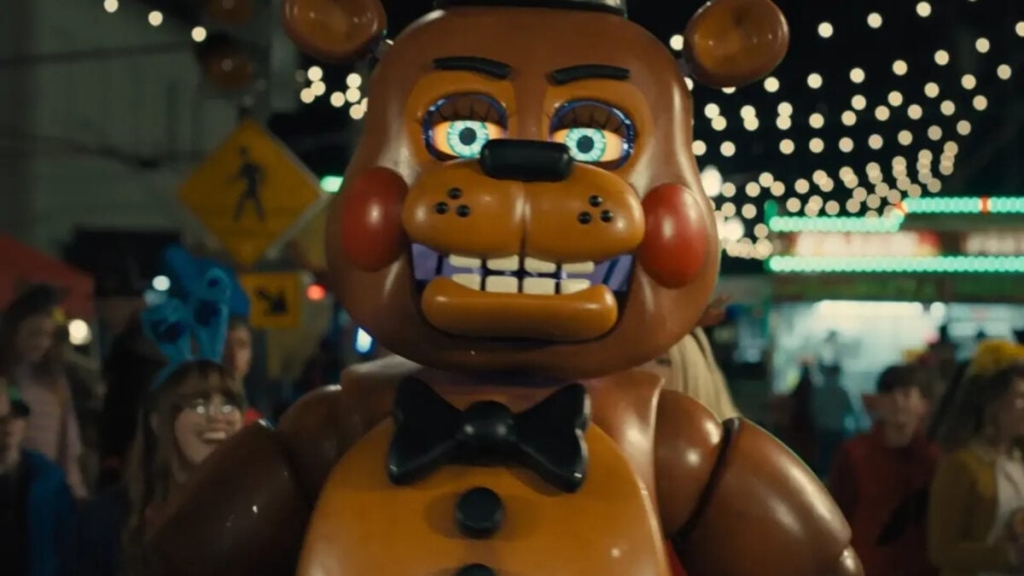
The past year was a mixed bag for Blumhouse. While M3GAN 2.0 underperformed, sequels like The Black Phone 2 and Five Nights at Freddy’s 2 proved that audiences are still hungry for familiar franchises. Blum attributes this to a fundamental shift in moviegoing behavior: “When people go to the movies now, they decide before they go,” he explained. “They don’t just show up and say, ‘I wanna see a horror movie’—more often than not, they choose something that means something to them more than just a title.”
This insight isn’t just anecdotal—it’s backed by the numbers. The first Five Nights at Freddy’s became Blumhouse’s biggest hit in 2023, capitalizing on the game’s massive fanbase. Similarly, Final Destination Bloodlines demonstrated that nostalgia and brand recognition can drive box office success in ways that original titles struggle to match in today’s market.
The COVID Effect: A Permanent Shift in Audience Behavior
Blum traces this strategic pivot back to the early COVID era, when theatrical releases became a calculated risk. “Audiences weren’t really looking to see a movie in theaters unless they knew what it was or already had an attachment to it,” he noted, citing Spider-Man: No Way Home as the perfect example of a film that people felt compelled to see on the big screen.
This “event movie” mentality has persisted even as theaters have returned to normal operations. In an age of streaming abundance and endless content choices, Blum argues that there “has to be a reason to go” to the theater. For many viewers, that reason is emotional investment in a known property—whether it’s a sequel, a reboot, or an adaptation of a beloved game or book.
The IP Strategy: Smart, Not Sellout
Critics might worry that Blumhouse is abandoning its roots in favor of franchise filmmaking, but Blum insists that’s not the case. “We’ll always continue to do originals,” he emphasized, though he acknowledges the balance will shift. Rather than a strict 50/50 split between original and IP-driven projects, expect to see more of the latter moving forward.
This isn’t necessarily a capitulation to Hollywood’s franchise obsession—it’s a pragmatic response to market realities. Blumhouse has always been a studio that adapts to survive, and this pivot allows them to maintain their core identity while expanding their reach. By investing in IP, they can tap into existing fanbases and reduce marketing costs, all while preserving the creative freedom that defines their original projects.
What’s Coming in 2026: A Stacked Slate
The proof of this new strategy is in Blumhouse’s 2026 lineup. Original films like Obsession (May) and Other Mommy (October) will still anchor the calendar, but they’re sandwiched between high-profile IP adaptations. First up is Lee Cronin’s The Mummy, a reimagining of the classic monster franchise that promises to bring Cronin’s distinctive voice to a broader canvas.
Then comes Insidious: The Bleeding World, the latest entry in the long-running supernatural horror series that’s become one of Blumhouse’s most reliable brands. These films represent the studio’s commitment to both innovation and familiarity—taking creative risks within the framework of recognizable properties.
The Future of Horror: Where Blumhouse Fits In
Blumhouse’s evolution reflects broader trends in the horror genre and the film industry at large. Horror has always been a genre where original voices can thrive, but it’s also one where franchises and IP dominate the box office. The studio’s ability to navigate this tension—producing both Get Out and Halloween Kills—has been key to its success.
Looking ahead, Blumhouse seems poised to continue this balancing act. By leaning into IP while preserving space for originals, they’re creating a sustainable model that can weather industry changes and audience preferences. It’s a strategy that acknowledges the realities of modern moviegoing without abandoning the creative ethos that made Blumhouse a powerhouse in the first place.
The Bottom Line
For horror fans, this pivot means more of what they love—just packaged differently. You’ll still get those original Blumhouse scares, but you’ll also see more familiar faces, more sequels, and more adaptations. It’s a trade-off that many will accept gladly, especially if it means more horror films getting made and more creative voices finding platforms.
As Blumhouse heads into 2026, one thing is clear: they’re not abandoning their roots, they’re just planting new seeds. And in an industry where adaptation is survival, that might be the smartest move of all.
Tags: Blumhouse, Jason Blum, horror movies, IP strategy, Five Nights at Freddy’s, The Black Phone, M3GAN, Final Destination, Lee Cronin, The Mummy, Insidious, movie industry trends, theatrical releases, streaming vs theaters, horror franchises, original content, 2026 movies, box office, COVID effect on cinema
Viral Phrases: “There has to be a reason to go,” “Our biggest movie,” “Always continue to do originals,” “Means something to them,” “Decide before they go,” “More often than not,” “Stacked 2026,” “Smart, not sellout,” “Planting new seeds,” “Event movie mentality”
,


Leave a Reply
Want to join the discussion?Feel free to contribute!