
sudo-rs Changes Default Password Prompt Behavior
sudo-rs Breaks Decades of Unix Tradition: Password Input Now Shows Asterisks by Default
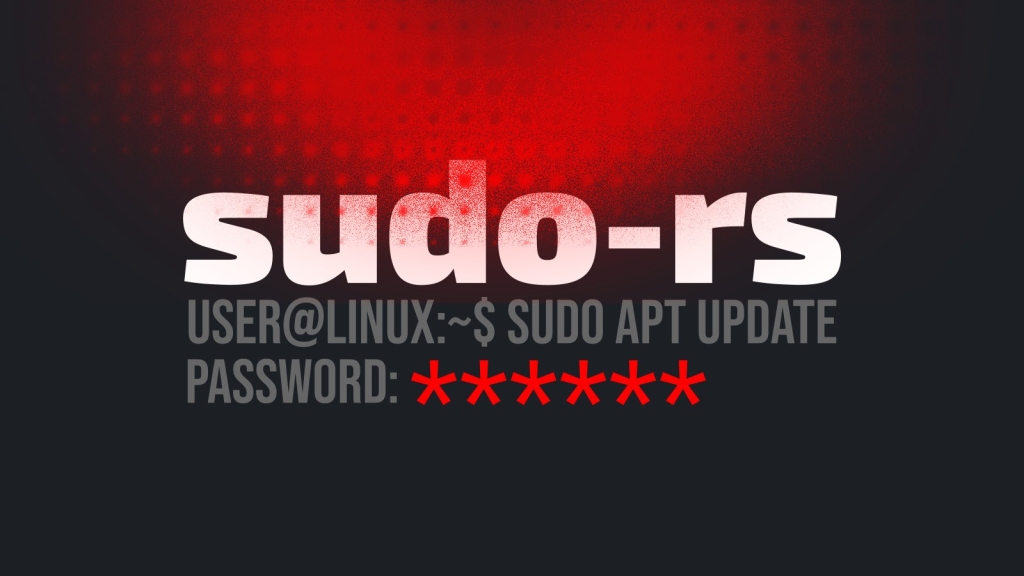
In a move that has stirred debate across the Unix and Linux communities, the memory-safe Rust implementation of the classic sudo tool, known as sudo-rs, has made a controversial change that breaks decades of established Unix tradition. The project has enabled password feedback by default, meaning that when users type their password at the sudo prompt, asterisks (*) now appear on the screen instead of the long-standing silent input method.
A Shift in Philosophy
For over thirty years, the traditional implementation of sudo has intentionally provided no visual feedback while a password is being entered. The rationale has been straightforward: avoiding the disclosure of password length to anyone watching the screen. While this does not hide the fact that a password is being typed, it prevents the trivial—yet potentially useful—leak of information about how long the password is.
This change in sudo-rs was introduced in a recently merged commit, which enabled the pwfeedback option by default. The project’s maintainers argue that this is a significant usability improvement, particularly for new users who might be confused or frustrated by the lack of visual feedback.
The Usability Argument
The developers behind sudo-rs have described the change as addressing a major UX pain point. In their view, the security benefit of hiding password length is “theoretically worse” and represents “an infinitesimal benefit” compared to the usability issue. They argue that the slight increase in security is far outweighed by the confusion and potential errors caused by silent password entry, especially for those new to Unix-like systems.
Backlash and Controversy
Unsurprisingly, the decision has sparked criticism within the community. Some users and administrators have gone so far as to file bugs against the change, arguing that it goes against a decade-long philosophy embraced by Unix-like systems and attempts to re-educate users in a way that many find unnecessary and even harmful.
The debate has intensified on platforms like Launchpad, where the change has been discussed and, in some cases, classified as a bug. The crux of the argument is that while the behavior is technically configurable—administrators can restore the traditional silent prompt by adding Defaults !pwfeedback to their sudoers configuration—the reality is that most users, especially newcomers, will not bother to make this change. Experienced users, meanwhile, may not want to add yet another configuration task to their list.
Security vs. Convenience
The tension here is between security and convenience. On one hand, showing password length can be seen as a minor security risk, especially in environments where someone might be shoulder-surfing. On the other hand, the usability benefits are real: users receive immediate feedback that their keystrokes are being registered, reducing the likelihood of input errors and frustration.
However, critics argue that the traditional silent prompt is a cornerstone of Unix philosophy, embodying the principle of minimalism and security through obscurity. Changing this behavior by default, they say, not only breaks with tradition but also sets a precedent that could lead to further erosion of these principles.
Practical Implications
For now, the impact of this change is limited. sudo-rs is not yet widely adopted; it has been introduced as the default sudo implementation in the upcoming Ubuntu 26.04 LTS, while most other major distributions continue to ship the traditional C-based sudo by default. This means that, for the time being, most users will not notice any difference in their day-to-day use of sudo.
However, for those who do encounter sudo-rs, the change is immediate and noticeable. Users who are accustomed to the silent prompt may find the new behavior jarring, and administrators who prioritize security may need to take steps to revert to the traditional behavior.
Looking Ahead
The debate over this change highlights a broader conversation about the evolution of Unix-like systems and the balance between tradition and innovation. While sudo-rs represents a step forward in terms of memory safety and modern software practices, its decision to alter such a fundamental aspect of user interaction has raised questions about the direction of these systems.
For now, the best advice for users and administrators is to be aware of this change, especially if you are planning to adopt Ubuntu 26.04 LTS or any other distribution that may switch to sudo-rs in the future. If you value the traditional silent prompt, you can easily restore it with a simple configuration change. However, if you are willing to embrace the new behavior, you may find that the usability benefits outweigh the perceived security risks.
Final Thoughts
In the end, the controversy surrounding sudo-rs and its default password feedback is a reminder that even the smallest changes in user experience can have outsized impacts on the community. Whether you see this as a welcome improvement or an unwelcome break from tradition, it is clear that the conversation is far from over. As Unix-like systems continue to evolve, the challenge will be to find ways to innovate without losing sight of the principles and practices that have made them so enduring.
Tags: sudo-rs, sudo, Unix, Linux, password security, usability, Rust, Ubuntu 26.04 LTS, terminal, command line, system administration, memory safety, user experience, security vs convenience, open source, software development, configuration, pwfeedback, silent input, asterisks, shoulder surfing, tradition, innovation
Viral Phrases:
- “sudo-rs breaks decades of Unix tradition”
- “Password input now shows asterisks by default”
- “Usability improvement or security risk?”
- “The end of silent password entry?”
- “Ubuntu 26.04 LTS embraces the change”
- “Should you trust sudo-rs with your secrets?”
- “A small change, a big debate”
- “Unix philosophy under fire”
- “The sly smile on the face of the person behind you”
- “Memory-safe, but is it user-safe?”
- “Configuration file: your new best friend”
- “Breaking with tradition for the sake of convenience”
- “The password length debate rages on”
- “Silent no more: sudo speaks up”
- “Will other distros follow Ubuntu’s lead?”
,
Leave a Reply
Want to join the discussion?Feel free to contribute!