
RAM supply is so tight, Samsung may be charging Apple double
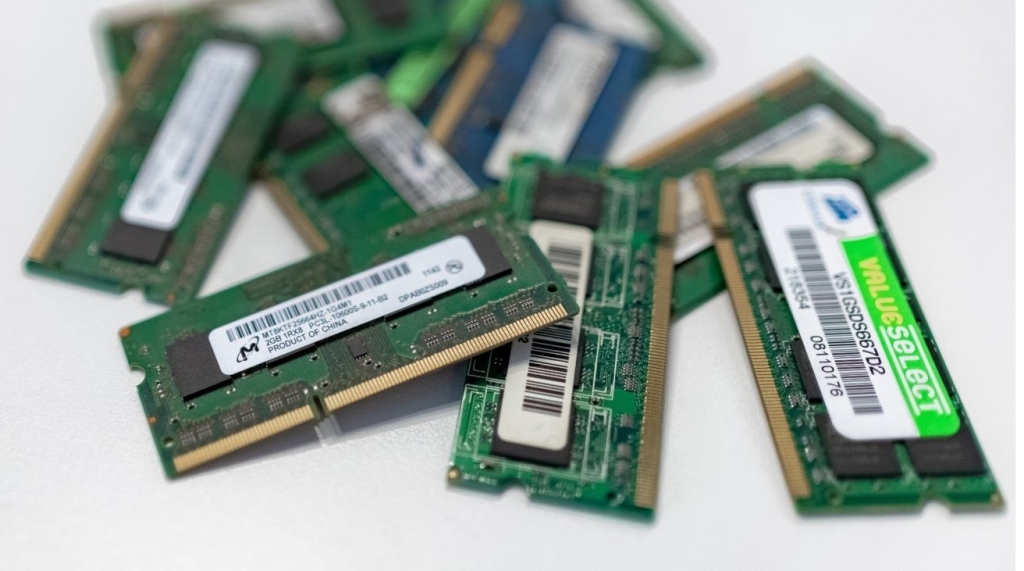
Apple has reportedly agreed to pay Samsung double what it used to for DRAM chips, the memory used in iPhones and Macs — even though it may not have needed to just yet.
Massive worldwide demand for AI servers has meant all manufacturers having a hard time securing what they need in memory, storage, and processors. It’s also meant Apple losing its previous ability to negotiate low prices and long-term deals.
The latest example of the pressures Apple and others are under concerns buying DRAM supplies from Samsung. DRAM is used as RAM in the iPhone and Apple Silicon Macs, and according to Dealsite, a South Korea financial news publication, Apple has just agreed to pay double what it has before.
Apple’s DRAM Dilemma: Paying Double as Global Chip Shortage Tightens
In a move that underscores the severity of the global semiconductor shortage, Apple has reportedly agreed to pay Samsung double the previous rate for DRAM chips. This development marks a significant shift in Apple’s longstanding strategy of leveraging its massive purchasing power to secure favorable pricing and long-term supply agreements.
The semiconductor industry has been grappling with unprecedented demand, particularly driven by the explosive growth of AI servers and data centers. This surge in demand has created a perfect storm, affecting not only DRAM but also other critical components like NAND flash storage and processors. Apple, despite its status as one of the world’s most valuable companies, has not been immune to these market pressures.
According to Dealsite, a South Korean financial news outlet, Apple’s new agreement with Samsung represents a stark departure from its usual negotiating tactics. The tech giant, known for its ability to secure long-term deals and favorable pricing, has been forced to accept terms that are twice as expensive as before. This development is particularly noteworthy given Apple’s history of using its market clout to negotiate aggressively with suppliers.
The impact of this price increase is likely to be felt across Apple’s product lineup. DRAM is a crucial component in both iPhones and Macs powered by Apple Silicon. As the company continues to push the boundaries of performance and capability in its devices, the demand for high-quality, high-capacity DRAM has only increased. This price hike could potentially affect Apple’s profit margins or, in a worst-case scenario, lead to increased prices for consumers.
Industry analysts are closely watching this development, as it could signal a broader shift in the semiconductor market. If even Apple, with its enormous purchasing power and financial resources, is struggling to secure DRAM at reasonable prices, it raises questions about the state of the global chip supply chain. This situation could have far-reaching implications for not just Apple, but the entire tech industry.
The DRAM shortage is just one facet of the larger semiconductor crisis that has been unfolding over the past few years. The COVID-19 pandemic initially disrupted supply chains, but demand has remained consistently high as businesses and consumers alike have increased their reliance on digital technologies. The boom in AI and machine learning applications has further exacerbated this demand, particularly for high-performance memory solutions.
Samsung, as one of the world’s largest manufacturers of DRAM, is in a particularly strong position in this market. The company’s ability to command higher prices from even a giant like Apple demonstrates the extent of the current supply-demand imbalance. This pricing power could potentially lead to increased revenues for Samsung, but it also raises questions about the sustainability of such high prices in the long term.
For Apple, this development presents a complex challenge. The company has built its reputation on delivering high-quality products at premium prices, but also on maintaining healthy profit margins. The increased cost of DRAM could force Apple to make difficult decisions about pricing, product features, or even its supply chain strategy. It’s possible that we might see changes in how Apple allocates DRAM across its product lineup, potentially offering different configurations or even limiting certain features in some devices to manage costs.
This situation also highlights the growing importance of vertical integration in the tech industry. Apple has been steadily increasing its control over its supply chain, most notably with the development of its own Apple Silicon processors. However, the DRAM market remains largely outside of Apple’s direct control, leaving the company vulnerable to market fluctuations and supplier pricing power.
As the tech world grapples with these challenges, all eyes will be on how Apple navigates this new landscape. Will the company absorb these increased costs, potentially impacting its bottom line? Will it pass them on to consumers, risking its competitive position? Or will it find innovative ways to reduce its reliance on expensive DRAM?
The answers to these questions could shape the future of not just Apple, but the entire consumer electronics industry. As we move further into an era dominated by AI, machine learning, and ever-more-powerful devices, the demand for high-performance memory solutions like DRAM is only going to increase. How companies like Apple and Samsung manage this demand – and the associated costs – will be crucial in determining the trajectory of technological innovation in the coming years.
In conclusion, Apple’s reported agreement to pay double for Samsung’s DRAM chips is more than just a business deal – it’s a bellwether for the state of the global semiconductor industry. As the world becomes increasingly dependent on advanced technologies, the challenges of securing critical components like DRAM are likely to become more pronounced. How tech giants navigate these challenges will not only impact their own fortunes but could also shape the future of innovation in the digital age.
#Apple #Samsung #DRAM #Semiconductors #ChipShortage #AppleSilicon #iPhone #Mac #SupplyChain #TechNews #AI #MachineLearning #GlobalMarket #Technology #Innovation #ConsumerElectronics #BusinessStrategy #Pricing #VerticalIntegration #MarketTrends
Apple pays double for Samsung DRAM chips
DRAM shortage affects Apple’s pricing power
Global chip crisis impacts tech giants
Samsung’s pricing power in DRAM market
Apple Silicon Macs affected by DRAM costs
iPhone production costs rise due to DRAM prices
AI server demand drives DRAM prices up
Tech industry grapples with semiconductor shortage
Apple’s supply chain strategy under pressure
DRAM market imbalance favors manufacturers
Vertical integration becomes crucial in tech
Consumer electronics prices may increase
Semiconductor industry faces unprecedented challenges
Apple negotiates new terms with Samsung
DRAM prices double in latest Apple deal,


Leave a Reply
Want to join the discussion?Feel free to contribute!