
If Nobody Got ‘Batman v Superman,’ Zack Snyder Still Does
Zack Snyder Defends “Batman v Superman” a Decade Later: A Director’s Unapologetic Stand Against Hollywood’s “K-Mart Version” of Storytelling
Ten years after its release, “Batman v Superman: Dawn of Justice” remains one of the most polarizing superhero films of the 21st century. While audiences remain divided on whether it’s a misunderstood masterpiece or an overwrought misfire, director Zack Snyder has doubled down on his artistic vision, arguing that the film was always destined to challenge audiences rather than appease them.
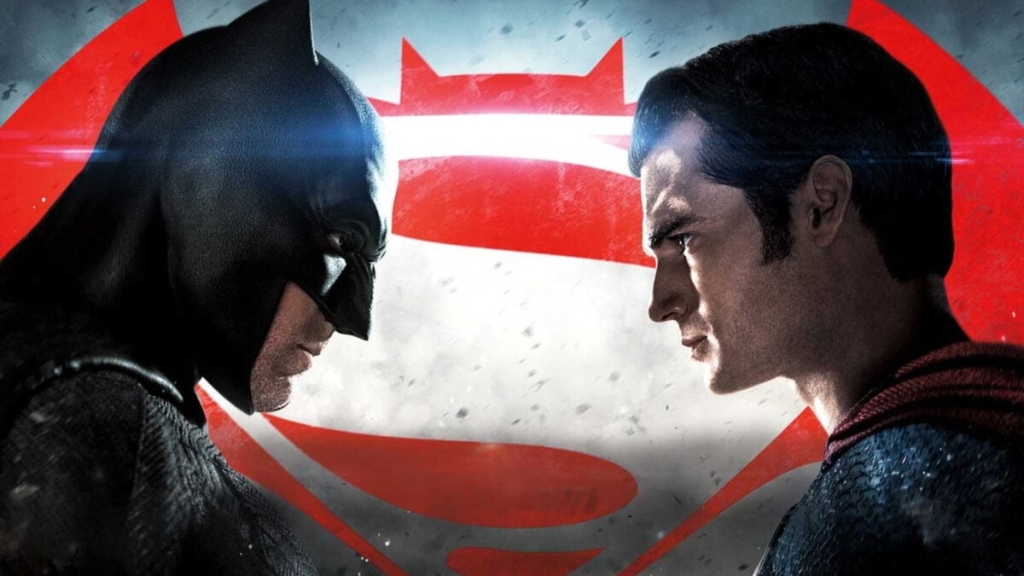
In a revealing interview on the “Happy Sad Confused” podcast, Snyder reflected on the legacy of his 2016 blockbuster, which pitted Ben Affleck’s grizzled Batman against Henry Cavill’s godlike Superman in a battle that was as much philosophical as it was physical. The director’s comments offer a fascinating window into the creative tensions that defined the early days of the DC Extended Universe.
“Do You Really Want the K-Mart Version of Your Story?”
Snyder’s defense of “Batman v Superman” centers on his belief that modern audiences claim to want originality but often reject it when confronted with challenging material. “Do you really want a movie where all its edges are shaved off by focus groups?” he asked rhetorically. “Do you really want the K-Mart version of your story, a movie that’s had decisions made in the boardroom?”
This sentiment echoes criticisms Snyder has leveled at the superhero genre throughout his career. For him, “Batman v Superman” wasn’t just another comic book adaptation—it was a deliberate deconstruction of superhero mythology that asked uncomfortable questions about power, accountability, and the very nature of heroism in the modern world.
The director argues that the film’s central conflict between Batman and Superman served as a vehicle for exploring deeper existential questions. “We were asking why these characters exist, what their purpose is in a world that doesn’t necessarily need them,” Snyder explained. “That’s not the kind of movie most people go to see when they want their superhero fix.”
The PG-13 Rating Battle: When the MPAA Said No to Batman Fighting Superman
Perhaps the most surprising revelation from Snyder’s interview concerns the film’s rating battle with the Motion Picture Association of America. Despite ultimately securing a PG-13 rating, the process was far from straightforward.
Snyder disclosed that the MPAA repeatedly returned the film with an R rating, citing concerns about the intensity of the action sequences. “They kept nitpicking small things—the way the heroes slammed into walls, the impact of their punches, the collateral damage,” he recalled. Even after multiple edits addressing these concerns, the board remained unconvinced.
The turning point came when the MPAA finally sent a report explaining their reasoning. “They said they didn’t like the idea of Batman fighting Superman,” Snyder revealed. “That’s when I realized we were kicking the zeitgeist in the nuts a bit.”
This anecdote speaks volumes about the cultural moment in which “Batman v Superman” arrived. In 2016, the superhero genre was still largely defined by the colorful, quippy tone of the Marvel Cinematic Universe. Snyder’s darker, more philosophical approach represented a significant departure from the established formula.
The Tone Debate: Was “Batman v Superman” Too Dark for Its Own Good?
The tonal differences between “Batman v Superman” and its contemporaries sparked intense debate upon release. Critics and audiences alike questioned whether the film’s grim aesthetic and ponderous pacing were appropriate for characters traditionally associated with brighter, more optimistic storytelling.
Snyder, however, sees this darkness as essential to the film’s artistic integrity. “You can’t deconstruct the superhero genre without acknowledging the weight of what these characters represent,” he argued. “Superman isn’t just a guy who can fly—he’s an alien god walking among us. Batman isn’t just a rich guy in a costume—he’s a traumatized man who’s decided to wage war on crime.”
This approach to character psychology would become a hallmark of Snyder’s DC films, influencing everything from the visual palette to the musical score. Hans Zimmer’s brooding soundtrack and Larry Fong’s desaturated cinematography worked in concert to create a world where even daylight seemed to carry a sense of foreboding.
The Legacy of a Divisive Film
A decade later, “Batman v Superman” continues to inspire passionate debate. For some, it represents the pinnacle of superhero cinema—a film willing to take risks and challenge conventions. For others, it’s a cautionary tale about the dangers of creative hubris and the importance of tonal consistency.
What’s undeniable is the film’s lasting impact on the superhero genre. Its influence can be seen in subsequent DC films like “Joker” and “The Batman,” which similarly embrace darker, more psychologically complex approaches to comic book storytelling. Even Marvel has occasionally dipped its toes into murkier waters with films like “Captain America: The Winter Soldier” and “Black Panther.”
Snyder’s Future with DC: Never Say Never
Despite his controversial departure from the DCEU following the “Justice League” saga, Snyder hasn’t completely closed the door on returning to the world he helped create. “My trilogy of movies is a weed that just won’t die,” he quipped, acknowledging the passionate fanbase that continues to advocate for his vision.
The director pointed to his experience with the “Snyder Cut” of “Justice League” as proof that anything is possible in Hollywood. “If they can release a four-hour director’s cut of a movie that was already in theaters, then who knows what could happen next?” he mused.
When pressed about potential future projects, Snyder didn’t rule out adapting “The Dark Knight Returns” or continuing his Snyderverse through alternative mediums. “It could be a comic book, it could be an animated movie, it could be anything,” he suggested. “The story doesn’t have to end just because the theatrical releases did.”
The Broader Context: Superhero Cinema in the 2020s
Looking at “Batman v Superman” through the lens of 2026, it’s clear that the film arrived at a pivotal moment in superhero cinema. The genre was transitioning from its early blockbuster phase into something more mature and self-reflective. Films like “Logan” and “Avengers: Infinity War” would later explore similar themes of mortality, legacy, and the psychological toll of heroism.
Snyder’s film may have been ahead of its time in some ways, asking questions that mainstream audiences weren’t quite ready to grapple with. But as superhero fatigue sets in and audiences crave more substantive storytelling, the film’s willingness to challenge conventions rather than simply entertain may be exactly what the genre needs.
Conclusion: A Film That Refused to Compromise
Ten years after its release, “Batman v Superman: Dawn of Justice” stands as a testament to what happens when a director refuses to compromise his artistic vision. Whether you love it or hate it, the film represents a bold attempt to elevate superhero cinema beyond simple spectacle and into the realm of genuine artistic expression.
Zack Snyder’s defense of the film isn’t just about protecting his legacy—it’s about advocating for a type of filmmaking that prioritizes creative integrity over commercial appeal. In an era where superhero films are increasingly designed by committee, “Batman v Superman” remains a fascinating anomaly: a blockbuster that dared to be difficult, that asked audiences to think rather than simply react.
As the superhero genre continues to evolve, perhaps the film’s greatest contribution will be its reminder that sometimes, the most memorable art comes from those willing to kick the zeitgeist in the nuts.
Tags and Viral Phrases:
- Zack Snyder defends Batman v Superman
- K-Mart version of superhero movies
- MPAA R rating controversy
- Batman fighting Superman was too much
- Deconstructing the superhero genre
- Snyderverse weed that won’t die
- Kicking the zeitgeist in the nuts
- Dark tone superhero debate
- PG-13 rating battle
- Focus groups ruining movies
- Batman v Superman 10-year anniversary
- Henry Cavill Superman suit
- Ben Affleck Batman
- Justice League Snyder Cut
- Superhero cinema evolution
- Comic book movie deconstruction
- Dark Knight Returns adaptation
- Hollywood boardroom decisions
- Artistic integrity vs commercial appeal
- Superhero fatigue solutions
,

Leave a Reply
Want to join the discussion?Feel free to contribute!