
It’s a new heyday for gas thanks to data centers
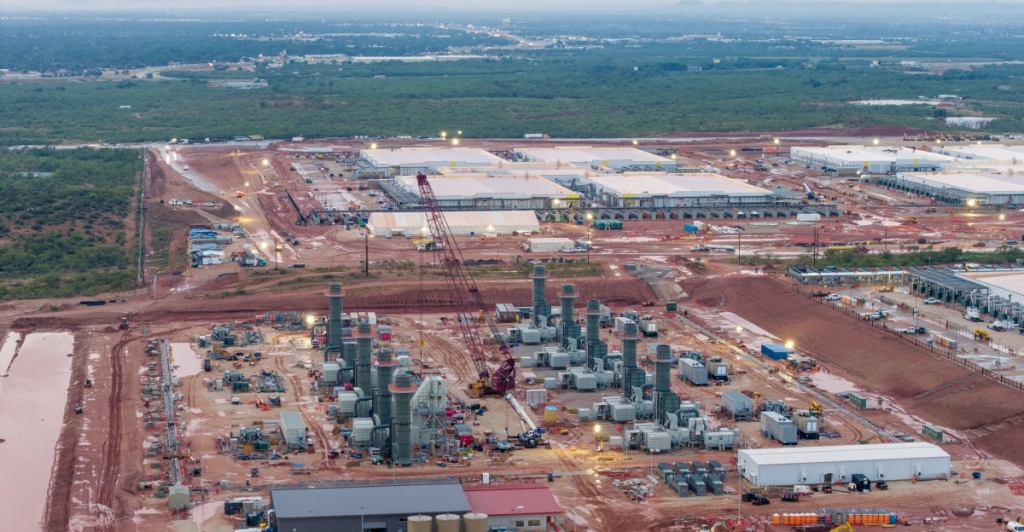
US Leads Global Surge in Gas Power Plants to Fuel AI-Driven Data Centers, Threatening Climate Goals
The United States has emerged as the global leader in new gas-fired power plant development, driven primarily by surging electricity demand from artificial intelligence (AI) data centers. This expansion threatens to lock in decades of planet-heating emissions at a time when the world needs to rapidly transition to cleaner energy sources.
According to a recent analysis by Global Energy Monitor (GEM), gas-fired power generation in development worldwide increased by 31% in 2025. The US now accounts for nearly a quarter of this added capacity, surpassing China to become the country with the largest increase. More than one-third of this US growth is specifically intended to power data centers, highlighting the profound energy implications of the AI revolution.
The AI boom has triggered forecasts of skyrocketing power demand as tech companies race to install more powerful hardware in expanding data centers. While uncertainty remains about whether AI will become as ubiquitous as Silicon Valley hopes—and many proposed data centers may never materialize—plans for new gas plants continue to advance, potentially derailing efforts to transition to renewable energy.
“There is a risk that this capacity could lock in future emissions and become stranded assets if anticipated electricity demand from AI never materializes,” warned Jenny Martos, project manager for GEM’s Global Oil and Gas Plant Tracker.
The scale of this gas expansion is remarkable. If all proposed projects are completed, 2026 would see a record-breaking increase in gas capacity, surpassing even the record set in 2002 during America’s “shale gas revolution.” This fracking-driven boom unlocked previously inaccessible reserves, making natural gas a cheaper alternative to coal and reducing carbon dioxide emissions when burned. However, natural gas production releases methane—a greenhouse gas far more potent than carbon dioxide in the short term—complicating its role as a “bridge fuel” to a cleaner energy future.
This rush toward gas-fired power represents a significant departure from global climate commitments. A decade ago, nearly every nation on Earth, including the US and China—the world’s two largest greenhouse gas emitters—signed the Paris Agreement to limit global warming. Achieving the agreement’s most ambitious goals requires replacing fossil fuels with renewable energy and slashing greenhouse gas emissions to net zero by around 2050.
The intersection of AI development and energy infrastructure raises critical questions about the future of technology and climate policy. As data centers become increasingly power-hungry, the choices made today about energy sources will have lasting consequences for decades to come. The current trajectory suggests a future where AI’s energy appetite is satisfied by fossil fuels rather than clean alternatives, potentially undermining global efforts to combat climate change.
AIEnergy #DataCenterDemand #ClimateCrisis #FossilFuelExpansion #CleanEnergyTransition #GreenhouseGasEmissions #MethanePollution #ParisAgreement #EnergyInfrastructure #TechIndustryImpact
“AI’s energy hunger threatens climate goals”
“Gas plants lock in decades of emissions”
“Data centers drive fossil fuel expansion”
“Tech’s dirty secret: AI’s carbon footprint”
“Stranded assets await AI overpromise”
“Methane: The potent climate threat”
“Shale gas revolution fuels AI boom”
“Net zero 2050 at risk from AI”
“Renewables sidelined for gas-powered AI”
“Climate commitments clash with data centers”
,

Leave a Reply
Want to join the discussion?Feel free to contribute!