
Iranian Ayatollah Khamenei’s Death Sparks Revolt Among Kalshi Customers
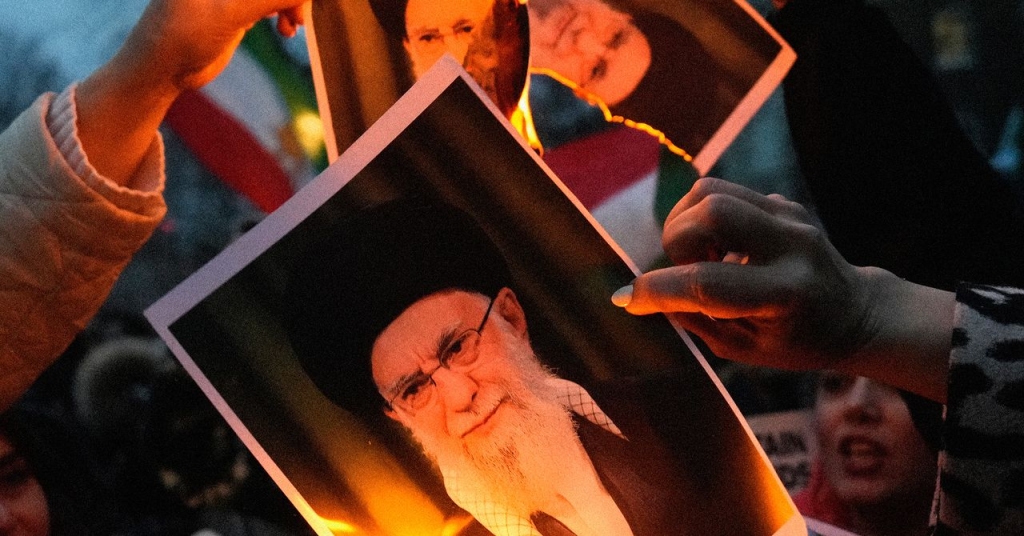
Prediction Markets in Turmoil: Kalshi’s $54 Million Controversy Sparks Industry-Wide Backlash
The geopolitical tensions between the United States, Israel, and Iran have ignited more than just military concerns—they’ve triggered a firestorm in the prediction market industry. As speculation reached fever pitch about potential military action and leadership changes in Tehran, platforms like Kalshi and Polymarket saw unprecedented trading volumes, with millions of dollars changing hands as users attempted to predict everything from missile strikes to leadership transitions.
However, what should have been a routine market resolution turned into a full-blown crisis when Kalshi faced intense backlash over how it handled a high-stakes market regarding Iranian Supreme Leader Ayatollah Ali Khamenei’s fate. The controversy has exposed fundamental tensions between market operators’ legal obligations and traders’ expectations, while raising serious questions about the industry’s future.
The Perfect Storm: War, Death, and $54 Million on the Line
In the days leading up to and following the US-Israel offensive against Iran, prediction markets experienced unprecedented activity. Traders rushed to place bets on when the first missiles would strike, which Iranian officials might be targeted, and what the broader geopolitical consequences would be. The total trading volume across all Iran-related markets reportedly reached hundreds of millions of dollars.
The controversy centered on Kalshi’s market offering “yes” or “no” contracts on whether Khamenei would be “out” as Iran’s supreme leader. When rumors of his death began circulating online, the market was actively promoted on social media, drawing even more speculative interest. After his confirmed assassination, many traders who had purchased “yes” contracts believed they were about to cash in on a significant profit—after all, Khamenei was demonstrably no longer Iran’s supreme leader.
The Resolution That Sparked a Revolt
Instead of the expected payouts, Kalshi paused the market for review on Saturday afternoon, then ultimately resolved it at the last-traded position before Khamenei’s killing. This meant that many traders who had purchased “yes” trades did not receive the payouts they anticipated, despite the clear factual outcome that Khamenei was no longer in power.
The immediate backlash was intense and swift. Traders expressed outrage across social media platforms, with comments like “You literally ruined the entire credibility of your business” going viral. Some threatened class action lawsuits and filed complaints with the Commodity Futures Trading Commission (CFTC), the government agency that oversees prediction markets.
The Death Carve-Out Controversy
The heart of the dispute lies in Kalshi’s “death carve-out” policy—a rule buried in the platform’s rulebook that excludes assassination from certain market resolutions. According to Kalshi CEO Tarek Mansour, this carve-out has always been part of the platform’s policies, but the notice about it was only added to the market’s webpage after the attack on Iran had begun.
This timing proved critical, as many traders claimed they never saw the notice before placing their bets. The revelation that assassination outcomes were excluded from what appeared to be straightforward “yes/no” questions about leadership status left many feeling deceived.
Kalshi’s Damage Control and Financial Hit
Facing mounting criticism, Mansour took to social media to address the controversy. In a lengthy apology, he acknowledged the company’s missteps and announced that Kalshi would “make users whole” by ensuring that nobody would lose money on the disputed market. This decision came at a substantial financial cost to the company—approximately $2.2 million according to sources familiar with the matter.
Mansour outlined several changes to prevent similar issues in the future, including more prominent highlighting of death carve-outs in similar markets. However, for many critics, the damage to Kalshi’s credibility was already done. Some users, like trader Nicholas Mahoney, reported defunding their accounts and deleting the app entirely, stating that the market should have been settled according to traders’ expectations.
Industry-Wide Implications
While Kalshi bore the brunt of the controversy, Polymarket also faced criticism for its handling of Iran-related markets. The incident highlights an ongoing challenge in the prediction market industry: how to handle sensitive contracts related to world events, particularly those involving assassination or sudden leadership changes.
This isn’t the first time such controversies have erupted. Last year, traders protested how Polymarket resolved a market about whether Ukrainian President Volodymyr Zelensky would wear a suit before a certain date—a seemingly trivial matter that nonetheless sparked significant debate about market resolution criteria.
Regulatory Scrutiny Intensifies
The controversy comes at a particularly sensitive time for the prediction market industry. A growing bipartisan movement in the United States is calling for tighter regulation of these platforms, with Kalshi alone facing 19 separate lawsuits from state authorities. The incident has provided ammunition to critics who argue that prediction markets are too easily manipulated and lack sufficient consumer protections.
Adding to the pressure, former Trump chief of staff Mick Mulvaney recently launched an advocacy group called “Gambling Is Not Investing,” aimed at pushing for more guardrails on the sector. The timing of this controversy could not be worse for an industry already under heightened regulatory scrutiny.
The Market Goes On
Despite the turmoil, enthusiasm for prediction markets remains high. Kalshi has already launched a new market on who will succeed Khamenei as Iran’s supreme leader, with millions of dollars already on the line. This rapid rebound suggests that while individual platforms may face temporary setbacks, the broader prediction market phenomenon shows no signs of slowing down.
The incident serves as a stark reminder of the unique challenges facing this emerging industry—balancing the excitement of speculative trading with the need for transparency, fairness, and regulatory compliance. As geopolitical tensions continue to create opportunities for prediction markets, how platforms handle these high-stakes situations will likely determine their long-term viability and public acceptance.
Tags: prediction markets, Kalshi controversy, Iran conflict, assassination markets, Tarek Mansour, geopolitical betting, CFTC regulation, Polymarket, Khamenei death, market manipulation, insider trading, gambling vs investing, regulatory scrutiny, class action lawsuit, death carve-out, commodity futures trading, prediction market crisis, market resolution dispute, prediction market backlash, Iran leadership transition
Viral Phrases:
- “You literally ruined the entire credibility of your business”
- “People are absolutely livid”
- “Kalshi incurred a substantial loss to make users whole”
- “Gambling Is Not Investing”
- “Death carve-out”
- “Make users whole”
- “The chaos of Khamenei prediction”
- “Prediction markets are not legally permitted to offer contracts on assassination”
- “The political war over prediction markets”
- “Millions of dollars are already on the line”
- “I defunded my account and deleted the app”
- “They should have settled the market how people thought it would be settled”
- “Prediction markets in turmoil”
- “The $54 million controversy”
- “Industry-wide backlash”
- “Traders threatened class action lawsuits”
- “The perfect storm: war, death, and $54 million on the line”
,

Leave a Reply
Want to join the discussion?Feel free to contribute!