
No one has a good plan for how AI companies should work with the government
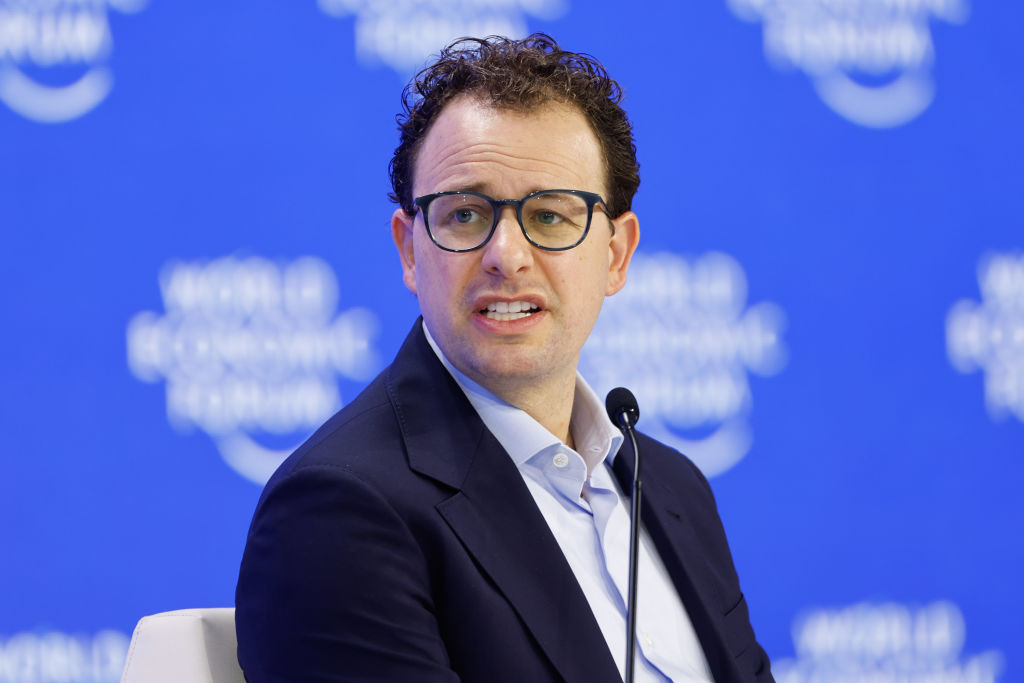
OpenAI CEO Sam Altman Sparks Controversy After Pentagon Contract Win Amid Employee Backlash
In a dramatic turn of events that has sent shockwaves through Silicon Valley and Washington D.C., OpenAI CEO Sam Altman found himself at the center of a firestorm Saturday night when he attempted to defend his company’s controversial new Pentagon contract on social media platform X.
The controversy erupted when Altman, around 7 p.m., announced he would be fielding questions publicly on X about OpenAI’s decision to accept a Pentagon contract that rival Anthropic had recently walked away from. What followed was an hour-long digital town hall that exposed deep divisions within the AI industry and raised serious questions about the future of artificial intelligence in national security.
The Pentagon Deal That Changed Everything
The contract in question represents a significant pivot for OpenAI, which has historically positioned itself as a consumer-focused AI company. The deal came shortly after the Pentagon blacklisted OpenAI’s rival Anthropic for insisting on contractual limitations regarding surveillance and automated weaponry—activities Anthropic had explicitly ruled out during its negotiations with the Department of Defense.
Altman’s approach to the backlash was telling. When pressed about OpenAI’s willingness to participate in mass surveillance and automated killing systems, the CEO consistently deferred to elected officials, stating, “I very deeply believe in the democratic process, and that our elected leaders have the power, and that we all have to uphold the constitution.”
However, Altman appeared genuinely surprised by the intensity of the pushback. “There is more open debate than I thought there would be,” he admitted, “about whether we should prefer a democratically elected government or unelected private companies to have more power. I guess this is something people disagree on.”
A Company Unprepared for Its New Reality
The incident highlights a critical juncture for OpenAI as it transitions from a wildly successful consumer startup into what amounts to a piece of national security infrastructure. The company, which has been engaging with the U.S. government for years, appears fundamentally unequipped to manage the responsibilities that come with this new role.
When Altman testified before Congressional committees in 2023, he employed a strategy that worked perfectly for a consumer tech company: bombastic claims about world-changing potential combined with acknowledgment of risks and enthusiastic engagement with lawmakers. This approach effectively stirred investor interest while heading off regulation.
But less than three years later, that playbook has become obsolete. AI’s obvious power and the capital-intensive nature of the technology have made serious government engagement unavoidable. The surprise isn’t that OpenAI is making this pivot—it’s how unprepared both the company and the government seem to be for it.
The Anthropic Factor: A Chilling Precedent
Complicating matters further is the situation with Anthropic, which looms over the entire conversation like an unfired gun. U.S. Defense Secretary Pete Hegseth has threatened to designate Anthropic as a supply chain risk, a move that former Trump official Dean Ball described as potentially “cutting Anthropic off from hardware and hosting partners, effectively destroying the company.”
Ball, writing over the weekend, characterized the situation as unprecedented: Anthropic was carrying out an existing contract under terms established years earlier, only to have the administration insist on changing the terms midstream. “Even if Secretary Hegseth backs down and narrows his extremely broad threat against Anthropic, great damage has been done,” Ball wrote. “Most corporations, political actors, and others will have to operate under the assumption that the logic of the tribe will now reign.”
This tribal logic presents a serious problem for OpenAI, which is already under intense pressure from employees to maintain ethical boundaries while simultaneously facing scrutiny from right-wing media about its political allegiances. In the middle of everything is the Trump administration, doing its best to make the situation as difficult as possible.
The Defense Contractor Reality
It might seem strange that this crackdown is happening at a time when prominent tech investors hold influential positions in Washington, but most appear entirely comfortable with the new tribal logic. Among Trump-aligned venture capitalists, Anthropic has long been perceived as currying favor with the Biden administration in ways that would damage the larger industry—a perception underscored by Trump advisor David Sacks’ reaction to the ongoing conflict.
The reality is that OpenAI didn’t set out to become a defense contractor, but its massive ambitions have forced it to play the same game as Palantir and Anduril. Making inroads during the Trump administration means picking sides, and there are no apolitical actors in this space. Winning some friends will mean alienating others, and it remains to be seen how high a price OpenAI will pay, either in lost business or lost employees.
The Long Game
For decades, the defense sector was dominated by slow-moving, heavily regulated conglomerates like Raytheon and Lockheed Martin. Operating as an industrial wing of the Pentagon gave them the political cover they needed to avoid the politics, staying focused on the technology without having to press reset every time the White House changed hands.
Today’s startup competitors might move faster than their predecessors, but they’re much less prepared for the long term. As OpenAI and other AI companies navigate this new reality, they’re discovering that the rules of the game have fundamentally changed—and the stakes have never been higher.
The question now is whether these companies can adapt quickly enough to survive in an environment where technology, politics, and national security have become inextricably intertwined. What’s clear is that the era of AI companies staying above the political fray is over, and the consequences of this new reality are only beginning to unfold.
Tags: OpenAI, Sam Altman, Pentagon, Anthropic, AI Ethics, National Security, Defense Contracts, Tech Politics, Silicon Valley, Artificial Intelligence, Government Contracts, Surveillance Technology, Automated Weapons, Tech Industry, Trump Administration
Viral Sentences:
- “There is more open debate than I thought there would be about whether we should prefer a democratically elected government or unelected private companies to have more power.”
- “The era of AI companies staying above the political fray is over.”
- “Operating as an industrial wing of the Pentagon gave them the political cover they needed to avoid the politics.”
- “Today’s startup competitors might move faster than their predecessors, but they’re much less prepared for the long term.”
- “The rules of the game have fundamentally changed—and the stakes have never been higher.”
,


Leave a Reply
Want to join the discussion?Feel free to contribute!