
Meta Tightens Grip on Smart Glasses Market as Global Shipments Soar 139%
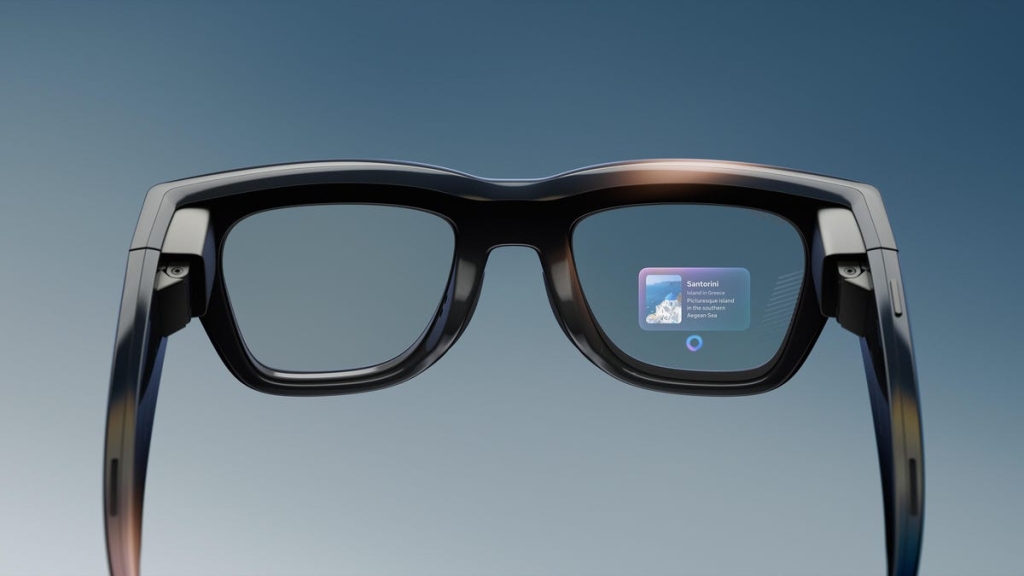
AI Smart Glasses Market Explodes: Meta Dominates as Industry Braces for Price Hikes
The future of wearable technology just got a whole lot brighter—and smarter. According to new data from Counterpoint Research, the global smart glasses market surged by an eye-popping 139% year-over-year in the second half of 2025, signaling that AI-powered eyewear is no longer a niche curiosity but a rapidly growing consumer category. And at the center of this boom? Meta, whose AI smart glasses portfolio has become the undisputed market leader.
Meta’s Meteoric Rise in Smart Eyewear
Both the first-generation and the highly anticipated second-generation Ray-Ban Meta smart glasses have driven seasonal demand, with Meta accounting for a staggering 82% of all smart glasses shipments during the period. This dominance isn’t just about volume—it’s about influence. Meta’s glasses have set the standard for what AI eyewear can and should be, combining sleek design, powerful AI features, and seamless integration with Meta’s ecosystem.
Following closely behind are Oakley’s Meta offerings, including the HSTN and Vanguard models, which together accounted for over 30% of Q4 2025 shipments. These models have been praised for their rugged design and advanced photography and audio capabilities, appealing to both tech enthusiasts and outdoor adventurers.
Why Consumers Are Embracing AI Glasses
The appeal of AI smart glasses goes far beyond their futuristic look. Meta’s second-generation Ray-Ban glasses, for example, have earned rave reviews from CNET editors for their improved battery life, enhanced video quality, and the ability to use older lenses—a thoughtful touch for longtime users. The glasses also maintain the classic Ray-Ban silhouette, making them as stylish as they are smart.
But it’s the AI features that truly set these glasses apart. From real-time translation and voice commands to contextual reminders and smart notifications, these devices are becoming indispensable companions for the modern, on-the-go lifestyle. As one CNET editor put it after six months of use: “The best AI companion happens to be camera glasses.”
A Market in Transition
While AI smart glasses now account for 88% of total smart glasses shipments in the latter half of 2025, demand for simpler, audio-only smart glasses has plummeted. The shift is being fueled not only by Meta but also by Chinese tech companies like Li Auto, Rokid, and Bolon, who are bringing their own innovations to the table.
Looking ahead, Counterpoint Research predicts that smart glasses shipments will continue their upward trajectory this year, with new brands entering the market and existing players expanding their portfolios. However, there’s a catch: price.
The Price Problem on the Horizon
The average price of AI smart glasses has been climbing rapidly. In the first half of 2025, the average price reached $347, and by the second half, it had jumped to $360. If the current global memory shortage persists, prices could climb even higher in 2026, potentially putting these devices out of reach for some consumers.
This price sensitivity could become a major hurdle for the industry as it seeks to move from early adopters to the mainstream market. Companies will need to balance innovation with affordability if they want to maintain momentum.
What Users Are Saying
Customer feedback has been largely positive, especially regarding video performance and design. Meta’s Gen 2 glasses have been lauded for their seamless user experience, while Oakley’s Vanguard model has earned praise for its robust build and multimedia features. However, battery life remains a common pain point, with many users hoping for further improvements in future iterations.
The Road Ahead
As AI smart glasses become more capable and more common, they’re poised to redefine how we interact with technology—and each other. Whether it’s through hands-free communication, real-time information overlays, or simply capturing life’s moments from a first-person perspective, these devices are pushing the boundaries of what wearable tech can do.
But as the market matures, the industry will need to address lingering challenges: improving battery life, managing costs, and ensuring that these powerful tools remain accessible to a broad audience. If they can do that, the smart glasses revolution is only just beginning.
Tags: AI smart glasses, Meta Ray-Ban, Oakley Meta, Counterpoint Research, wearable tech, smart eyewear, AI glasses market, tech trends 2025, hands-free tech, future of wearables
Viral Phrases: “The best AI companion happens to be camera glasses,” “smart glasses market explodes,” “Meta dominates smart eyewear,” “AI glasses are the new must-have,” “wearable tech revolution,” “hands-free future is here,” “battery life remains a pain point,” “price hikes on the horizon,” “early adopters to mainstream,” “redefining human-tech interaction”
,


Leave a Reply
Want to join the discussion?Feel free to contribute!