
Motorola plans to put GrapheneOS on phones. So, why is it a big deal?
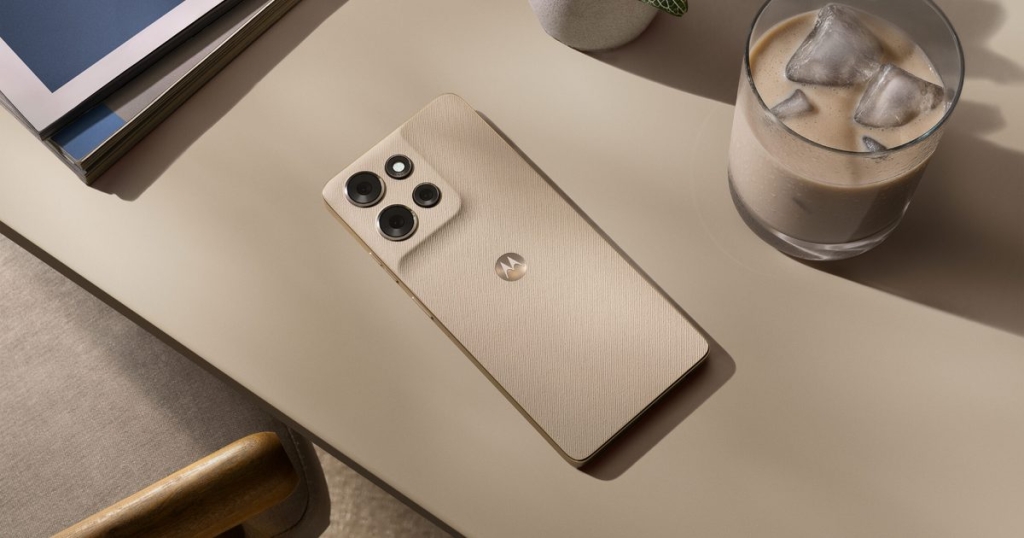
Motorola and GrapheneOS Join Forces: A Privacy Revolution in Your Pocket
At Mobile World Congress 2026, Motorola made a bold announcement that could forever change how we think about smartphone privacy: a long-term partnership with the GrapheneOS Foundation. This collaboration marks the first time a non-Pixel manufacturer has officially committed to supporting the privacy-hardened operating system, potentially opening the door to a new era of secure, surveillance-free mobile devices.
The Privacy Paradox We’ve All Been Living With
Let’s face it: most of us carry what amounts to a sophisticated surveillance device in our pockets every day. Our smartphones, while incredibly convenient, have become constant data collection points, tracking our locations, communications, habits, and preferences. For privacy-conscious users, this reality has been deeply troubling.
Until now, achieving genuine privacy on a smartphone meant making significant compromises. You could purchase a Google Pixel device—ironically manufactured by one of the world’s largest data collectors—and install GrapheneOS, accepting the cognitive dissonance of running a privacy-focused operating system on hardware from a company whose business model depends on data collection.
What Makes GrapheneOS Different?
GrapheneOS isn’t just another custom Android ROM. It’s a meticulously engineered, non-profit open-source project that reimagines what a mobile operating system can be when privacy and security are the primary design principles.
At its core, GrapheneOS is Android—but Android stripped bare of all Google Play Services and their associated tracking mechanisms. The result is a mobile operating system that puts you in complete control of your digital footprint. You can use the device entirely without signing into any Google account, eliminating the automatic data sharing that occurs with standard Android devices.
What truly sets GrapheneOS apart is its granular approach to privacy. Rather than forcing an all-or-nothing choice, it provides sophisticated tools that let you decide exactly how much privacy you want and how much data you’re willing to share. You can run your smartphone completely devoid of Google services, or you can install a sandboxed version of the Google Play Store that runs in isolation from the rest of your system.
This sandboxing approach is revolutionary. When you grant permissions to Google services within GrapheneOS, you’re doing so within a controlled environment that prevents those services from accessing data outside their designated boundaries. It’s privacy with nuance—you can use the apps you need while maintaining strict control over what information they can access.
Why This Partnership Changes Everything
Prior to this announcement, GrapheneOS was exclusively available on Google Pixel devices. According to the GrapheneOS development team, this limitation wasn’t arbitrary—it reflected exceptionally strict hardware and security requirements that only Pixel devices currently met.
The implications of this exclusivity were significant. Privacy-conscious consumers were essentially forced to either purchase expensive Pixel devices or use older models that might not receive ongoing security updates. This created a barrier to entry that kept GrapheneOS confined to a relatively small, technically sophisticated user base.
Motorola’s partnership shatters this limitation. As one of the world’s largest smartphone manufacturers, Motorola brings scale, affordability, and mainstream accessibility to the GrapheneOS ecosystem. This isn’t just about adding another device option—it’s about potentially bringing hardened privacy to millions of users who might never have considered such an operating system before.
The Road Ahead: What We Know and What We Don’t
While the announcement has generated tremendous excitement, significant questions remain unanswered. Motorola has not yet specified which of its devices will support GrapheneOS, whether the operating system will come pre-installed on certain models, or if users will need to manually install it themselves.
What Motorola has confirmed is its commitment to working closely with the GrapheneOS Foundation to strengthen smartphone security and engineer future devices with built-in compatibility. This suggests we may see a new generation of Motorola phones designed from the ground up to support the operating system’s unique requirements.
For current Motorola device owners, patience will be required. It’s possible that only future-generation models will meet the stringent criteria necessary for GrapheneOS support, though Motorola may surprise us by extending compatibility to some existing popular models.
The Broader Implications for Digital Privacy
This partnership represents more than just a business deal—it’s a potential turning point in the ongoing struggle for digital privacy. For years, the narrative has been that privacy and convenience are mutually exclusive. You could have a smartphone that worked seamlessly with all your favorite apps, or you could have one that respected your privacy, but you couldn’t have both.
GrapheneOS challenges this false dichotomy by proving that it’s possible to create a mobile operating system that offers both functionality and privacy. The sandboxed approach to Google services demonstrates that we don’t need to accept unfettered data collection as the price of admission to the mobile ecosystem.
Motorola’s involvement could accelerate this paradigm shift. As a mainstream manufacturer, Motorola has the potential to bring privacy-focused technology to a much broader audience. This could create competitive pressure on other manufacturers to offer similar options, potentially sparking a privacy arms race that benefits consumers.
Looking to the Future
The Motorola-GrapheneOS partnership arrives at a moment when concerns about digital privacy have never been higher. From government surveillance to corporate data collection to the growing sophistication of tracking technologies, the need for genuine privacy solutions has become increasingly urgent.
By making a hardened privacy OS available on more affordable, widely available hardware, this partnership could democratize access to digital privacy in ways we haven’t seen before. It suggests a future where privacy isn’t a luxury feature for the technically sophisticated or the wealthy, but a standard option available to anyone who wants it.
As we await more details about which devices will support GrapheneOS and how the partnership will evolve, one thing is clear: the smartphone privacy landscape has been fundamentally altered. The surveillance device in your pocket might finally have a serious contender for your attention—and your trust.
Tags: Motorola GrapheneOS partnership, privacy-focused smartphone, MWC 2026 announcements, secure mobile operating system, digital privacy revolution, smartphone surveillance concerns, GrapheneOS supported devices, Motorola privacy features, open-source mobile OS, Google-free Android alternative
Viral Sentences: The surveillance device in your pocket just got a privacy upgrade, Motorola shatters the Pixel monopoly on secure smartphones, GrapheneOS comes to the masses, privacy isn’t dead—it’s getting a major upgrade, the future of smartphones is private by default, Motorola and GrapheneOS: a match made in privacy heaven, your data belongs to you again, the privacy paradox solved, secure smartphones for everyone, digital freedom is coming to a Motorola device near you.
,


Leave a Reply
Want to join the discussion?Feel free to contribute!