
Here’s How Much Water You Should Be Drinking to Stay Hydrated, According to a Registered Dietitian
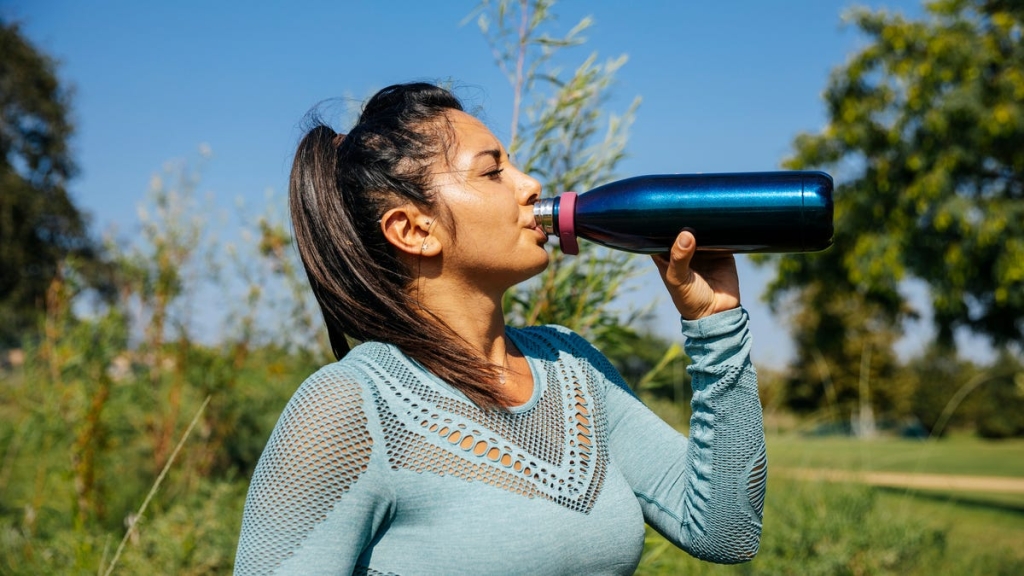
How Much Water Should You Really Drink? Science Says the “8×8 Rule” Might Be Wrong
If you’ve been laser-focused on your fitness goals, you might be overlooking a critical component of your health: hydration. While you’re crushing workouts and meal prepping, your water intake could be the missing piece in your wellness puzzle. Proper hydration doesn’t just quench your thirst—it can improve sleep quality, regulate body temperature, give your skin that coveted glow, and even prevent those pesky headaches or migraines that derail your day.
But here’s the thing: tracking water intake in our busy lives isn’t always straightforward. Between back-to-back meetings, family responsibilities, and trying to maintain some semblance of work-life balance, remembering to drink water often falls by the wayside. The question is: how much water do you actually need, and how can you make sure you’re hitting your daily hydration goals?
The Myth of the 8×8 Rule
You’ve heard it countless times: drink eight 8-ounce glasses of water daily. It’s the hydration advice that’s been passed down through generations, repeated by well-meaning friends, family members, and even some health professionals. But where did this “8×8 rule” actually come from?
According to Renee Fitton, registered dietitian and director of education at nutrition technology company L-Nutra, the answer might surprise you: “Apparently, the 8-by-8 rule came out of a void, because there’s no scientific evidence to back it up. It’s just another one of those long-standing myths people believe because that’s what everyone believes.”
Drinking 64 ounces of water daily isn’t harmful, but it could be too much or not enough for some people. Fitton explains, “For some people, simple rules like these help them stay on track. If drinking eight 8-ounce glasses of water a day helps someone hit their hydration goals, then it’s a fine starting point. But I wouldn’t call it the gold standard.”
So What’s the Real Answer?
The truth is, there’s no formal recommendation for how much water people should drink daily, perhaps because everyone needs different amounts of water. Various factors affect your daily water needs, including:
- Body size and composition
- Medications you’re taking
- Gender
- Physical activity level
- Climate you live in
- Overall health status
- Altitude
The National Academies of Sciences, Engineering, and Medicine provides what’s called an “adequate intake” for water: approximately 15.5 cups (3.7 liters or 125 ounces) for men and 11.5 cups (2.7 liters or 91 ounces) for women. But here’s the crucial detail—this includes ALL fluids, not just plain water.
Your hydration comes from:
- Water and other beverages (milk, sports drinks, tea, even coffee)
- Water-rich foods (fruits, vegetables, soups, oatmeal)
- The metabolic water produced by your body
When You Need More Water Than Average
Certain situations and conditions mean you’ll need to up your water intake significantly:
You have an active job: If you’re constantly on the move—especially outdoors—you’re losing more water through sweat. The CDC recommends drinking 8 ounces (1 cup) of water every 15-20 minutes during work in hot conditions. Pre-hydrating before your shift and rehydrating afterward is crucial.
You exercise frequently: Even if you’re not sweating buckets, physical activity increases your fluid needs. You lose water through respiration and sweat, even during winter workouts. Factor in additional water for travel to and from your workout location.
You live in a hot climate: Hot weather equals increased sweating. Dry heat can be even more dehydrating than humid heat, so desert dwellers might need more water than those in tropical climates.
You’re pregnant or breastfeeding: Pregnancy increases blood volume and supports fetal development, requiring more water. Breastfeeding demands even more—your body needs extra fluid to produce breast milk.
Your urine is dark: The color of your urine is your most reliable hydration indicator. Aim for light yellow—not completely clear (which can indicate overhydration) and not deep yellow or amber (which signals dehydration).
You experience dry mouth, chapped lips, or muscle cramps: These are your body’s warning signals. “Water is such a critical substance for life so when we’re lacking, our body will no longer work at its peak capacity,” says Fitton.
Hydration Hacks That Actually Work
Struggling to drink enough water? Try these evidence-based strategies:
1. Drink When You’re Thirsty (With a Caveat)
There’s controversy here. Some experts say thirst is a reliable indicator, while others argue you’re already dehydrated when you feel thirsty. The truth likely lies somewhere in between—thirst works for some people but not others.
2. Structure Water Around Meals
Drinking a glass before meals and between meals can create a hydration habit. However, this approach varies based on your eating patterns and the size of your glasses.
3. Follow the “8 Glasses Daily” Rule
If 64 ounces works for you and you feel adequately hydrated, stick with it. Monitor your body’s signals—if you’re constantly running to the bathroom or feel bloated, you might be overdoing it. If you’re experiencing headaches or dark urine, you might need more.
4. Use the “Half Your Body Weight” Formula
Weighing 150 pounds? Aim for 75 ounces daily. This accounts for different body sizes but doesn’t factor in activity level or climate.
5. Make Water Visible and Accessible
“Keeping your water accessible at all times provides a visual reminder to drink water,” Fitton advises. Use a water bottle you love and keep it within arm’s reach throughout the day.
6. Leverage Technology
Apps like WaterMinder can send daily reminders and help you track your intake. Sometimes a simple notification is all you need to remember to take a sip.
7. Habit Stack Your Hydration
Pair water intake with existing daily habits: drink a glass when you wake up, after brushing your teeth, before each meal, or right before leaving the house. “These mini habits build on things you already do, so you’re not trying to remember to do something new,” Fitton explains.
The Bottom Line
Your hydration needs are uniquely yours. The best approach is to experiment with different methods and pay attention to your body’s signals. As long as you’re not experiencing chronic fatigue, lightheadedness, persistent headaches, or other signs of dehydration, you’re likely on the right track.
Remember: the color of your urine is your most reliable hydration indicator. Light yellow is the goal—not crystal clear, not dark amber. Trust your body, stay flexible with your approach, and make hydration a non-negotiable part of your health routine.
Tags & Viral Phrases:
- Hydration myths debunked
- How much water should I drink?
- The truth about the 8×8 rule
- Science-backed hydration tips
- Are you drinking enough water?
- Water intake calculator
- Signs of dehydration
- Hydration for athletes
- Best water tracking apps
- Why your urine color matters
- Hydration hacks that work
- How to drink more water daily
- Water vs. other beverages
- Hydration and weight loss
- Best water bottles for hydration
- Hydration during pregnancy
- How climate affects water needs
- The coffee hydration myth
- Electrolytes and hydration
- Hydration and skin health
- Water intake for different body types
- Morning hydration routine
- Hydration reminder apps
- Urine color chart
- Overhydration dangers
- Hydration for outdoor workers
- Best times to drink water
- Hydration and exercise performance
- Water-rich foods for hydration
- Hydration tracking methods
- How to stay hydrated at work
- The 30-day hydration challenge
- Hydration myths vs. facts
- Water bottle recommendations
- Hydration for better sleep
- The link between hydration and energy
- Hydration for mental clarity
- Best reusable water bottles
- Hydration and metabolism
- How to calculate your water needs
- The truth about sports drinks
- Hydration for different ages
- Water intake and kidney health
- Hydration and headache prevention
- The role of electrolytes in hydration
- Hydration for travel
- Best apps for water tracking
- Hydration and athletic performance
- How much water is too much?
- The science of thirst
,


Leave a Reply
Want to join the discussion?Feel free to contribute!