
Polar bears are getting fatter in the fastest-warming place on Earth
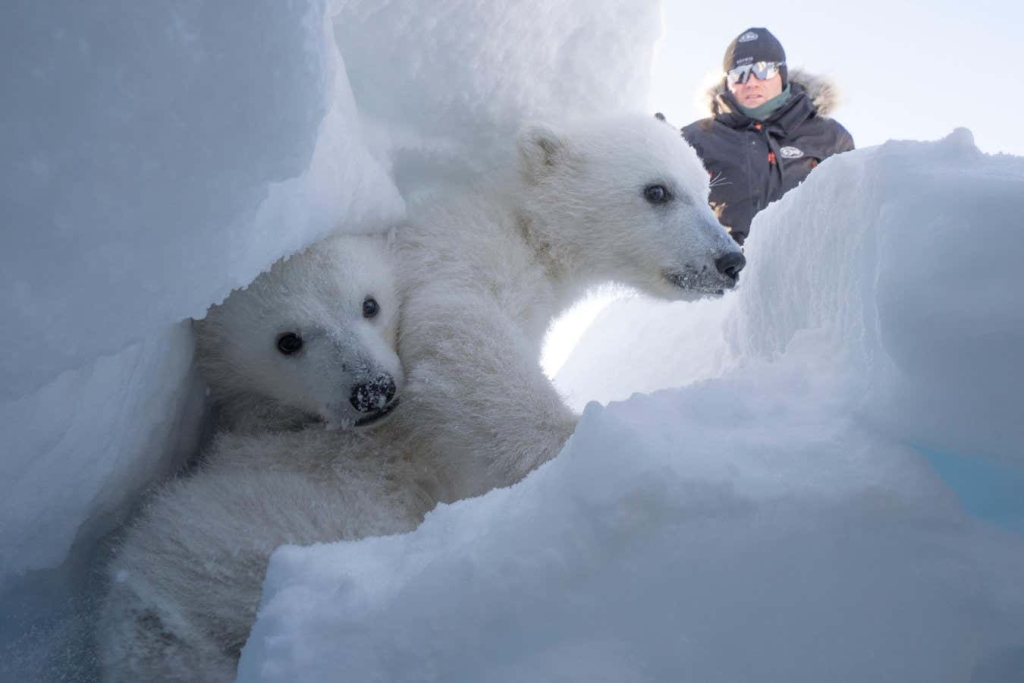
Polar Bears Defying the Odds: Thriving in the Fastest-Warming Place on Earth
In a stunning twist of ecological irony, polar bears in Norway’s Svalbard archipelago are getting fatter—even as the sea ice they depend on vanishes at an alarming rate. Svalbard, often called the fastest-warming place on Earth, has seen its surrounding waters heat up seven times faster than the global average. Yet, against all odds, these iconic Arctic predators are not just surviving—they’re thriving. But before you celebrate, scientists warn this is likely a temporary reprieve in a rapidly unraveling ecosystem.
A Warming Arctic, A Surprising Outcome
The northern Barents Sea, stretching between Svalbard and Russia’s Novaya Zemlya, has lost two months of sea ice cover in winter and spring over the past two decades. Polar bears now face the daunting task of swimming 200 to 300 kilometers between hunting grounds on the ice and snow dens on the islands where they give birth. This should spell disaster for a species so intricately tied to sea ice. Yet, according to a groundbreaking study led by Jon Aars of the Norwegian Polar Institute, the average size and weight of Svalbard’s polar bears have increased since 2000.
“We should think about this as good news for Svalbard,” Aars says. “But if you want bad news, you can just go and look somewhere else where you have very, very firm evidence that climate change is impacting polar bears negatively.”
The Science Behind the Surge
The study, which tracked 770 bears over two decades, revealed a fascinating trend: body condition decreased until 2000 but then steadily improved until observations ended in 2019. How is this possible in a region where the ice is disappearing? The answer lies in the bears’ remarkable adaptability.
In spring, when ringed seals give birth to pups on the sea ice, polar bears traditionally hunt them to build up fat reserves for the ice-free months. The shrinking ice area may be making these seals easier to find, as they are forced into smaller, more concentrated areas. Additionally, Svalbard’s roughly 250 “local bears” that remain on the islands during ice-free periods are exploiting new food sources. They’re hunting more bearded seals along the coast, targeting harbor seals (which are spreading to Svalbard as the climate warms), and even raiding duck and geese colonies for eggs. Some bears have been spotted chasing down reindeer, whose population is growing on the islands. And when a walrus carcass becomes available, it can provide weeks of feasting.
A Temporary Reprieve?
While this adaptability is impressive, scientists caution that it’s not a long-term solution. Jouke Prop, an Arctic ecologist at the University of Groningen, describes the bears as “a species in despair. They’re doing crazy things.” He adds, “It doesn’t work everywhere, but it may work for some time” on Svalbard.
The Barents Sea polar bear population, estimated at 1,900 to 3,600 bears two decades ago, is thought to be stable or even growing. However, this stability is fragile. Warming is beginning to disrupt the food chain, starting with algae that grow on the underside of sea ice. Without sea ice, the entire ecosystem could collapse, leaving polar bears with nowhere to turn.
“There will be a threshold, and… polar bears in Svalbard will be negatively affected by continued sea ice loss,” Aars warns.
The Bigger Picture
Polar bears are split into 20 populations across the far north, and their fate varies widely. While numbers are declining in parts of Alaska, Canada, and Greenland, they appear stable or increasing in other regions. For nine populations, data is too sparse to draw conclusions. This makes Svalbard’s story both unique and cautionary—a glimpse into how a species might adapt in the short term, but also a reminder of the limits of that adaptability.
Tags & Viral Phrases:
- Climate Change Adaptation
- Polar Bears Defying the Odds
- Fastest-Warming Place on Earth
- Arctic Ecosystem in Crisis
- Sea Ice Loss
- Polar Bear Population Trends
- Svalbard’s Resilient Predators
- Arctic Food Chain Disruption
- Short-Term Survival, Long-Term Threat
- Nature’s Last-Ditch Efforts
- The Ice Is Melting, But the Bears Are Growing
- A Glimmer of Hope in a Warming World
- Polar Bears: Adapt or Perish
- The Arctic’s Ticking Clock
- When the Ice Disappears, What’s Next?
This story is a testament to the resilience of nature—but also a stark reminder that even the most adaptable species have their limits. As the Arctic continues to warm, the question remains: how long can Svalbard’s polar bears keep defying the odds?
,

Leave a Reply
Want to join the discussion?Feel free to contribute!