
Your microbiome may determine your risk of a severe allergic reaction
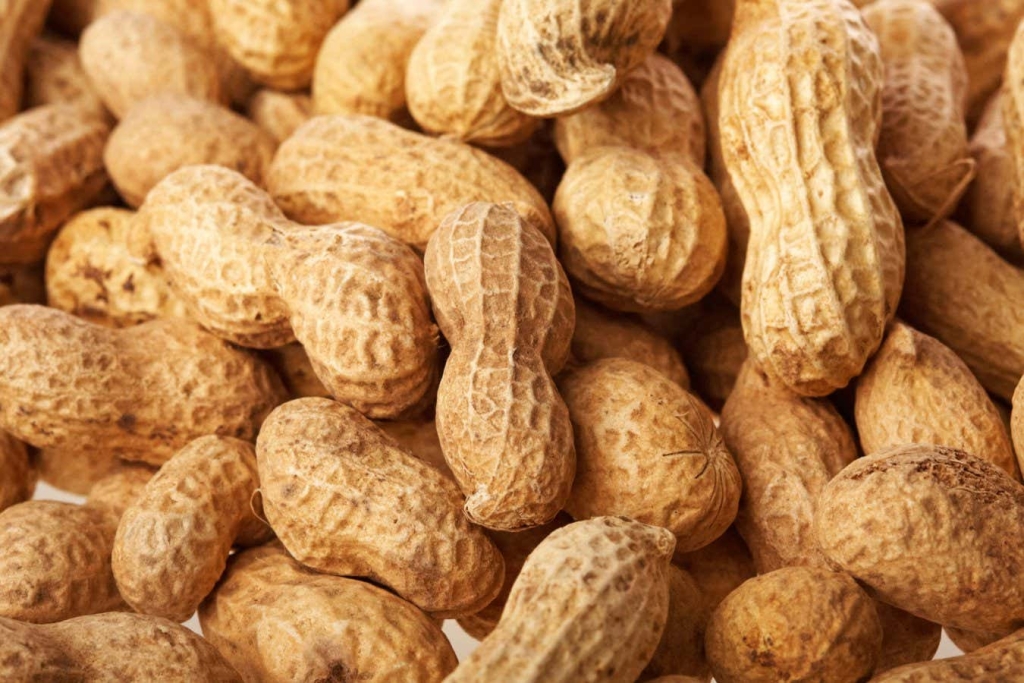
Groundbreaking Research Reveals Gut Bacteria May Control Severity of Peanut Allergies
In a discovery that could revolutionize how we understand and treat life-threatening food allergies, scientists have uncovered a surprising link between the microbes in our gut and mouth and the severity of peanut allergy reactions. This research, published recently in leading immunology journals, suggests that the diversity and composition of our microbiome could determine whether a person with a peanut allergy experiences a mild reaction or a potentially fatal anaphylactic episode.
The Microbiome Connection: Why Some Reactions Are Worse Than Others
For years, researchers have puzzled over why peanut allergies affect people so differently. Some individuals experience only mild symptoms like itching or stomach discomfort, while others face sudden, severe anaphylaxis that can cause breathing difficulties, dramatic drops in blood pressure, and even death. The answer, according to new findings from an international research team led by Rodrigo Jiménez-Saiz at the Autonomous University of Madrid, may lie in the trillions of bacteria that call our bodies home.
“Our microbiome is like a personal ecosystem that influences everything from digestion to immune function,” explains Jiménez-Saiz. “We suspected these microscopic communities might play a role in how our bodies respond to allergens, but the strength of this connection was surprising even to us.”
Inside the Experiment: How Scientists Uncovered the Link
The research team conducted a series of sophisticated experiments using specially bred mice to isolate the effects of gut bacteria on peanut allergy severity. They created three distinct groups: germ-free mice with no microbiome whatsoever, mice with minimal bacterial diversity, and mice with healthy, diverse microbial communities.
When researchers introduced small amounts of peanut protein directly into the stomachs of these mice, they found striking differences. The germ-free and low-diversity groups showed significantly higher levels of two key peanut proteins—Ara h 1 and Ara h 2—in their small intestines compared to the mice with diverse microbiomes. These proteins are the primary triggers for allergic reactions in humans.
The Rothia Bacteria: A Natural Defense System
Further investigation revealed that the mice with the most diverse microbiomes carried high levels of a specific bacterial group called Rothia, particularly a strain known as Rothia R3. This bacterium appears to play a crucial role in breaking down peanut proteins in the gut before they can trigger severe immune responses.
To test this hypothesis, the researchers induced severe peanut allergies in a new group of mice with minimal microbiomes. They then implanted Rothia R3 bacteria into some of the mice before exposing all of them to peanut protein. The results were remarkable: mice that received the Rothia treatment experienced only a 2% average drop in body temperature during anaphylaxis, compared to a 3.5% drop in the control group. Since body temperature drops are a hallmark of severe allergic reactions and can lead to dangerous complications, this difference could be life-saving.
Human Studies Confirm the Pattern
The research didn’t stop with mice. The team examined saliva samples from 19 people with documented peanut allergies and found a clear correlation: those who could tolerate small amounts of peanut exposure had significantly higher levels of Rothia bacteria in their mouths compared to those with more severe allergies.
“This suggests that Rothia bacteria in both the gut and mouth create a protective effect,” says Mohamed Shamji, an allergy specialist at Imperial College London who reviewed the findings. “If we can confirm this in larger human studies, it could open up entirely new approaches to allergy treatment.”
The Future: Probiotics as Potential Lifesavers
The implications of this research are profound. If Rothia probiotics can be developed into a safe, effective treatment, they could potentially reduce the severity of allergic reactions in millions of people worldwide. This would be particularly valuable for:
- Reducing anxiety around accidental peanut exposure, which affects an estimated 6-8 million Americans with peanut allergies
- Improving the safety and effectiveness of oral immunotherapy treatments, where patients gradually build tolerance to allergens
- Providing an additional layer of protection for children and adults with severe allergies
- Potentially extending the approach to other food allergies beyond peanuts
What This Means for the Millions Living with Food Allergies
For the millions of people who live with the constant fear of accidental peanut exposure, this research offers genuine hope. Current treatments focus on strict avoidance and carrying emergency epinephrine injectors, but these approaches don’t address the underlying biological factors that make some reactions so severe.
“Imagine being able to reduce the severity of a reaction simply by taking a daily probiotic,” Jiménez-Saiz suggests. “That’s the kind of future we’re working toward.”
The research team is now planning clinical trials to test whether Rothia probiotics can achieve similar protective effects in humans. If successful, this could represent one of the most significant advances in allergy treatment in decades.
Beyond Peanuts: A New Understanding of Allergies
This research also challenges our fundamental understanding of how allergies work. Rather than viewing allergic reactions as purely immune system malfunctions, we may need to consider them as complex interactions between our immune systems and our microbial partners.
“This work highlights how our health is intimately connected to the invisible ecosystems within us,” Shamji notes. “It’s a powerful reminder that we are not just individuals, but complex biological communities.”
The Road Ahead
While the findings are promising, researchers caution that developing effective treatments will take time. The human microbiome is incredibly complex, and what works in mice doesn’t always translate directly to humans. However, the potential benefits are so significant that multiple research teams are now exploring similar approaches to other food allergies.
For now, people with peanut allergies should continue following current medical advice, including strict avoidance of peanuts and carrying emergency medication. But this research offers a glimpse of a future where food allergies might be managed not just through avoidance, but through harnessing the power of our own microbial allies.
Tags: peanut allergy, microbiome, gut bacteria, Rothia, food allergies, anaphylaxis, immune system, probiotics, oral immunotherapy, severe allergic reactions, microbial diversity, allergy treatment, gut health, oral microbiome, food allergy research
Viral Phrases: “Your gut bacteria could save your life,” “The microscopic heroes fighting food allergies,” “Why some people survive peanut exposure while others don’t,” “The hidden ecosystem inside you that controls allergic reactions,” “Could a simple probiotic prevent deadly anaphylaxis?”
,


Leave a Reply
Want to join the discussion?Feel free to contribute!