
Altman Reportedly Tells Staff OpenAI Wants Another Classified Contract. This Time with NATO
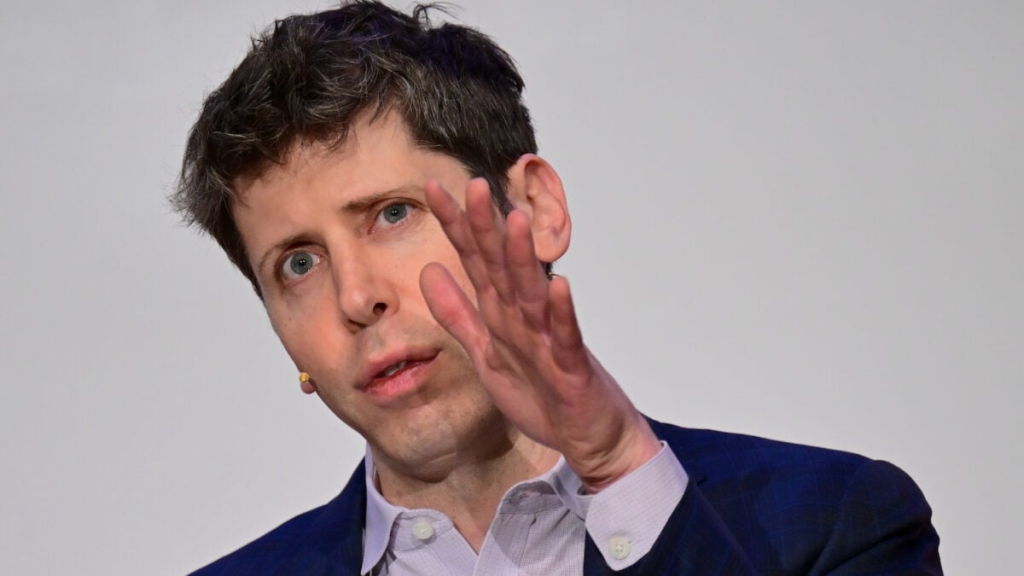
OpenAI Eyes NATO Classified Networks as Pentagon Deal Sparks Employee Backlash
In a tense internal meeting Tuesday, OpenAI CEO Sam Altman faced an agitated workforce and revealed the company is pursuing a contract to deploy its AI systems across NATO’s classified networks—just days after announcing a controversial Pentagon partnership that has rattled employees and raised ethical alarms across the tech world.
According to transcripts obtained by multiple news outlets, Altman struck a conciliatory tone during the all-hands session, calling the recent backlash “painful” and acknowledging that the optics of the Pentagon deal made OpenAI appear “not united with the field.” The Wall Street Journal reports that some employees have been “vocally criticizing” the company’s direction, with Altman seemingly regretting the timing and messaging around the military collaboration.
But the most revealing detail from the meeting wasn’t Altman’s damage control—it was his announcement that OpenAI is “looking at a contract to deploy on all North Atlantic Treaty Organization classified networks.” This represents a significant escalation in OpenAI’s government work, potentially giving the company access to some of the most sensitive communications infrastructure among Western allies.
The timing is particularly noteworthy. Just last month, Apple proudly announced it had become the first consumer device maker to receive NATO approval for handling classified information, with iPhones and iPads now cleared for NATO purposes. OpenAI’s proposed NATO contract would essentially reverse this dynamic—granting NATO’s classified networks access to OpenAI’s technology rather than the other way around.
This development comes as NATO members prepare to dramatically increase defense spending, with venture capitalist Dave Harden predicting an “AI gold rush” in the defense sector following NATO’s signals last year about expanded military budgets. The economic incentives are substantial, with OpenAI’s broader Pentagon arrangement through the Department of Defense’s Chief Digital and Artificial Intelligence Office (CDAO) potentially worth up to $200 million in projects.
The Pentagon deal itself has already proven controversial. While OpenAI announced its “OpenAI for Government” product in June, the specific terms of the Pentagon partnership only recently came to light. According to CNBC’s reading of the meeting transcript, the arrangement grants the Department of Defense free use of OpenAI’s technology without the company having any say in “operational decisions.” The New York Times described it as a “deal to provide artificial intelligence technologies for the Defense Department’s classified systems.”
The contractual structure raises significant questions about accountability and ethical boundaries. By removing OpenAI’s ability to make operational decisions, the company appears to be positioning itself as a technology provider rather than a partner in military applications—a distinction that may matter little to employees concerned about their work being used for defense purposes.
Altman’s attempt to reassure employees during Tuesday’s meeting appears to have had mixed results at best. While he emphasized that the company remains committed to its mission of ensuring artificial general intelligence benefits all of humanity, the revelation of additional NATO ambitions suggests OpenAI is doubling down on government contracts rather than backing away from controversial partnerships.
The internal dissent at OpenAI reflects a broader tension in the AI industry between commercial opportunities and ethical considerations. As companies race to capitalize on government and defense contracts, they face increasing pressure from employees, advocacy groups, and the public to consider the implications of their technology’s use.
OpenAI has not yet responded to requests for comment about the NATO contract or clarification of the Pentagon deal’s terms. The company’s next moves will likely be closely watched by both industry observers and its own workforce, as the balance between innovation, profit, and principle continues to shift in the rapidly evolving AI landscape.
AI #OpenAI #NATO #Pentagon #SamAltman #ArtificialIntelligence #DefenseTech #ClassifiedNetworks #TechEthics #GovernmentContracts #SiliconValley #MilitaryAI #TechBacklash #EmployeeDissent #AIIndustry
viral tags and phrases:
- OpenAI’s NATO ambitions revealed
- Sam Altman faces angry employees
- Pentagon AI deal sparks internal revolt
- $200 million government contract windfall
- Apple vs OpenAI: NATO clearance battle
- AI gold rush in defense sector
- Tech workers demand ethical boundaries
- Classified networks get AI upgrade
- Silicon Valley’s military dilemma
- Employees vs executives on defense contracts
- The price of progress in AI
- When innovation meets national security
- Inside OpenAI’s controversial pivot
- The new arms race: artificial intelligence
- Ethics vs economics in tech
,


Leave a Reply
Want to join the discussion?Feel free to contribute!