
Oxford Casino takes Maine to court over allowing tribes to operate iGaming
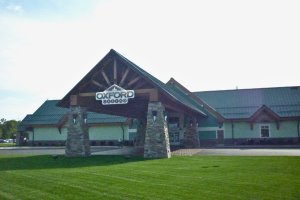
Oxford Casino Sues Maine Over Tribal iGaming Monopoly: A Legal Battle That Could Reshape Online Gambling in the Pine Tree State
In a dramatic escalation of tensions between commercial gaming operators and tribal interests, Maine’s Oxford Casino has launched a federal lawsuit challenging the state’s decision to grant exclusive online gambling rights to four Wabanaki Nations. The legal action, filed in U.S. District Court, represents a significant pushback against what the casino describes as an unconstitutional “race-based monopoly” that threatens both established gaming businesses and the broader economic landscape of Maine.
The controversy stems from LD 1164, the “Act to Create Economic Opportunity for the Wabanaki Nations,” which Governor Janet Mills allowed to become law on January 8, 2026. This legislation authorizes Maine’s tribal governments to operate online casino-style gambling (iGaming) throughout the state, marking what tribal leaders have hailed as a historic advancement in indigenous economic development.
“Governor Mills’ support for historic advances in tribal economic development, particularly her decision to allow LD 1164 to become law, marks an economic turning point for the Passamaquoddy people and for all Wabanaki Nations,” declared Chief William Nicholas Sr. of the Passamaquoddy Tribe at Indian Township during the initial announcement. The measure was celebrated by tribal leaders as a transformative opportunity to generate revenue for community development, healthcare, education, and infrastructure improvements that have long been needed in tribal territories.
However, Oxford Casino, which has operated in Maine since 2012 and is owned by Churchill Downs Incorporated through its subsidiary BB Development, LLC, views the legislation quite differently. In its federal complaint, the casino argues that the law creates an unfair competitive advantage based on racial classification rather than economic merit or market principles.
The lawsuit specifically names the Executive Director of the Maine Gambling Control Unit as the defendant and alleges that “the Legislature has blessed a race-based monopoly that will allow Maine Tribes alone to offer iGaming in every square inch of Maine.” This sweeping claim suggests that the casino believes the legislation not only threatens its business model but also violates fundamental constitutional principles of equal protection and non-discrimination.
Oxford Casino’s legal team has marshaled economic data to support their position, citing a study commissioned from The Innovation Group titled “Economic Impacts of iGaming Expansion.” According to the casino’s interpretation of this research, the introduction of iGaming typically results in a 16% average decline in land-based casino revenue. The potential consequences, they argue, extend far beyond individual business concerns to encompass “substantial job losses, hundreds of millions of dollars in lost economic output, and reduced tax contributions that fund public services.”
The constitutional arguments presented in the filing are particularly noteworthy. Oxford Casino contends that “creating a race-based monopoly for in-state businesses violates equal protection, flouts constitutional restrictions on economic protectionism, and fails scrutiny under both the United States and Maine Constitutions.” This framing suggests that the casino is prepared to wage a protracted legal battle that could have implications far beyond Maine’s borders, potentially affecting how states across the nation approach tribal gaming compacts and online gambling regulations.
The timing of this lawsuit is significant, coming at a moment when many states are grappling with how to regulate online gambling in an increasingly digital economy. Maine’s approach, which grants exclusive rights to tribal entities, represents one possible model, but Oxford Casino’s challenge suggests that commercial operators may resist such arrangements vigorously when they perceive their interests to be threatened.
From a broader perspective, this legal dispute highlights the complex intersection of tribal sovereignty, state regulatory authority, economic development, and constitutional law. The Wabanaki Nations, which include the Maliseet, Micmac, Penobscot, and Passamaquoddy tribes, have long sought greater economic autonomy and opportunities for revenue generation. Online gambling represents a potentially lucrative avenue for achieving these goals, particularly given the growing popularity of digital gaming platforms and the ability to reach customers across state lines.
Governor Mills’ decision to allow the bill to become law without her signature, while not an enthusiastic endorsement, nonetheless represents a pragmatic recognition of the economic pressures facing tribal communities and the potential benefits of expanded gaming opportunities. Her administration appears to have concluded that the economic development opportunities for tribal nations outweigh the concerns raised by commercial gaming operators.
The Oxford Casino’s challenge also raises questions about the future of the broader Maine gaming market. With only two licensed brick-and-mortar casinos in the entire state, the introduction of tribal iGaming could fundamentally alter the competitive landscape. The casino’s argument that it has “heavily invested in the State and its people” suggests a belief that existing operators deserve consideration and protection as the market evolves.
Legal experts following the case note that the outcome could hinge on how courts interpret the balance between tribal sovereignty rights, which have been recognized and protected by federal law for decades, and the constitutional protections afforded to businesses operating within state jurisdictions. The case may also test the extent to which states can grant exclusive economic privileges based on tribal status without running afoul of equal protection principles.
The economic stakes are substantial. If tribal iGaming proceeds as planned, it could generate significant revenue streams for the Wabanaki Nations, potentially transforming their economic circumstances and providing resources for long-term community development. Conversely, if Oxford Casino’s challenge succeeds, it could delay or derail these opportunities while potentially opening the door for commercial operators to enter the online gambling market under different regulatory frameworks.
As this legal battle unfolds, stakeholders across the gaming industry, tribal communities, and state governments will be watching closely. The case represents more than just a dispute between one casino and the state of Maine—it embodies broader questions about economic opportunity, constitutional rights, and the evolving nature of gambling in the digital age.
The resolution of this lawsuit could set important precedents for how states navigate the complex terrain of online gambling regulation, tribal economic development, and commercial gaming interests. Whatever the outcome, the Oxford Casino’s decision to challenge Maine’s tribal iGaming law ensures that these critical issues will receive thorough legal scrutiny and public attention in the months and years ahead.
tags: Maine gaming lawsuit, tribal iGaming monopoly, Oxford Casino legal challenge, Wabanaki Nations online gambling, Governor Janet Mills, constitutional gaming rights, commercial vs tribal casinos, online gambling regulation, Maine Gambling Control Unit, Churchill Downs subsidiary, economic protectionism, equal protection violation, digital gambling expansion, tribal sovereignty gaming, Maine casino industry disruption
viral phrases: “race-based monopoly,” “gut-wrenching blow to Maine businesses,” “historic advances in tribal economic development,” “economic turning point for the Passamaquoddy people,” “flouts constitutional restrictions,” “economic protectionism,” “transformative opportunity,” “protracted legal battle,” “game-changing legislation,” “economic autonomy,” “lucrative avenue,” “competitive landscape,” “long-term community development,” “critical issues,” “important precedents,” “digital age,” “sweeping claim,” “fundamental constitutional principles,” “far-reaching implications,” “stakeholders across the gaming industry,” “legal scrutiny,” “public attention,” “economic circumstances,” “revenue streams,” “market evolves,” “broader questions,” “complex intersection,” “significant revenue streams,” “economic pressures,” “pragmatic recognition,” “unfair competitive advantage,” “sweep across state lines,” “digital gaming platforms,” “transform their economic circumstances,” “set important precedents,” “unconstitutional monopoly,” “legal battle that could reshape online gambling,” “dramatic escalation of tensions,” “pushback against exclusive rights,” “fundamental alter the competitive landscape”
,

Leave a Reply
Want to join the discussion?Feel free to contribute!