
Gambling Is Not Investing coalition challenges prediction markets over sports betting consumer protections
Gambling Is Not Investing Coalition Challenges Prediction Markets Over Sports Betting Consumer Protections
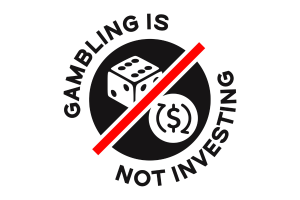
A newly formed coalition, Gambling is Not Investing, is stepping into the spotlight with a bold mission: to expose what it calls the “backdoor betting” happening under the guise of financial innovation. Launching Monday in Washington, D.C., the group is rallying policymakers, regulators, and the public to confront the rapid rise of prediction market platforms that it says are skirting consumer protections by rebranding sports betting as “trading” or “investing.”
At the helm is former Congressman Mick Mulvaney (R-SC), who now serves as the coalition’s executive director. Mulvaney, known for his fiscal conservatism and regulatory skepticism, is taking an unusual stance here—arguing that certain financial products need tighter oversight, not less.
“Rebranding sports wagering as ‘trading’ or ‘investing’ or ‘predicting’ misleads consumers,” Mulvaney said in a statement to ReadWrite. “Gambling products—regardless of what you call them—must follow established state and tribal laws.”
The controversy centers on platforms like Kalshi, which allow users to buy and sell contracts tied to real-world events, including sports games. While these companies frame their offerings as financial instruments, Gambling is Not Investing contends that the majority of activity on these platforms mirrors traditional sports betting.
Citing a New York Times report, the coalition claims that 90% of Kalshi’s trading volume comes from sports events. This, they argue, undercuts the narrative that these are primarily financial exchanges. Instead, users are effectively placing bets on games without the licensing, age verification, tax structures, or responsible gaming safeguards that regulated sportsbooks must follow.
The group’s launch comes amid a widening legal and political battle over the future of prediction markets. These platforms operate under the oversight of the Commodity Futures Trading Commission (CFTC) at the federal level, allowing them to offer contracts nationwide—even in states where online sports betting remains illegal.
This regulatory loophole has triggered a wave of legal challenges and legislative proposals. Kalshi has filed a lawsuit against Utah after the state sought to block its sports-event contracts. In Oregon, a proposed class-action lawsuit accuses the company of offering unlicensed sports wagering. Nevada Rep. Dina Titus has introduced the Fair Markets and Sports Integrity Act in Congress, aiming to clarify the boundaries between federally regulated prediction markets and state-regulated sports betting. Connecticut Gov. Ned Lamont has backed legislation targeting prediction markets in connection with the state’s sports wagering laws.
Federal lawmakers have also raised alarms. A group of U.S. senators recently urged the CFTC to crack down on certain event contracts, including those tied to sensitive topics such as deaths, arguing they resemble gambling more than legitimate hedging tools.
Beyond sports, prediction markets have faced scrutiny over volatility and information advantages. Recent reporting has highlighted dramatic swings in contracts tied to geopolitical events and questioned how insider knowledge could influence thinly traded markets.
Gambling is Not Investing argues that these developments show a clear pattern: if a product functions like gambling, it should be regulated like gambling. The coalition maintains that states and tribes have clear authority within their borders and that inconsistent oversight risks confusing consumers and draining tax revenue that funds public services.
The group is urging policymakers and regulators to enforce current laws rather than create new loopholes. “Existing gaming laws are being ignored, states are losing oversight, consumers are being misled, and communities are losing public revenue,” the coalition states.
As the debate intensifies, the coalition’s message is clear: gambling is not investing, and it’s time for the law to catch up with the reality on the ground.
Tags: Gambling Is Not Investing, prediction markets, sports betting, Mick Mulvaney, Kalshi, consumer protections, CFTC, Fair Markets and Sports Integrity Act, online gambling, financial regulation
Viral Sentences:
- “Gambling is not investing—it’s time to make it clear.”
- “Rebranding sports wagering as ‘trading’ misleads consumers.”
- “Prediction markets are offering unsafe and unregulated sports betting products.”
- “90% of Kalshi’s trading volume comes from sports events.”
- “Existing gaming laws are being ignored, states are losing oversight.”
- “If it functions like gambling, it should be regulated like gambling.”
- “Communities are losing public revenue to backdoor betting.”
- “The law must catch up with the reality on the ground.”
- “This isn’t investing—it’s unregulated sports betting in disguise.”
- “States and tribes are losing control over their own gaming laws.”
,


Leave a Reply
Want to join the discussion?Feel free to contribute!