
TikTok won't protect DMs with controversial privacy tech, saying it would put users at risk
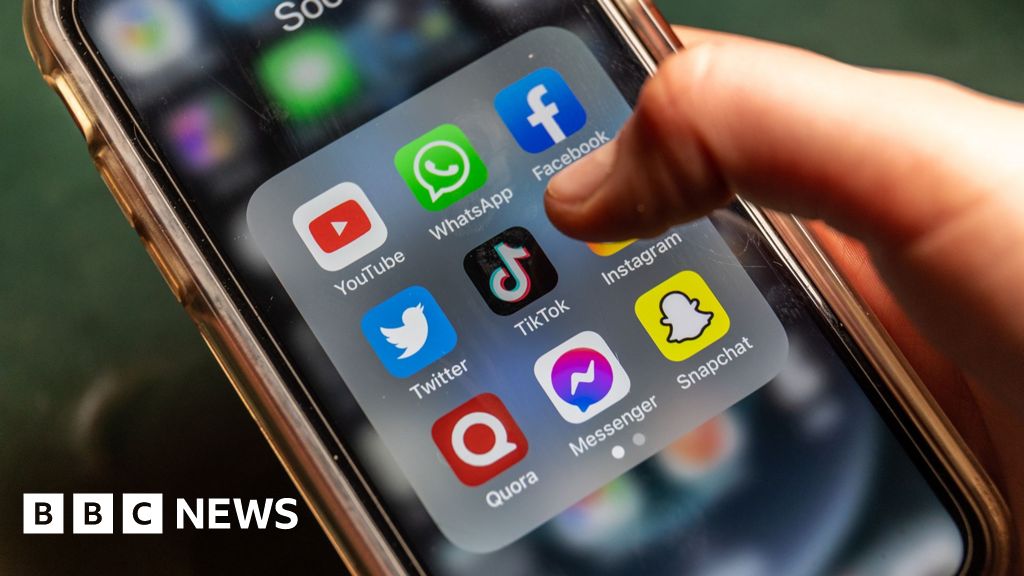
TikTok Declines to Adopt End-to-End Encryption as Meta Platforms Move Forward
In a significant development that highlights the diverging approaches to user privacy across major social media platforms, TikTok has confirmed it will not implement end-to-end encryption for its messaging features, unlike competitors such as WhatsApp and Facebook Messenger.
The revelation came during a recent interview with BBC News, where TikTok representatives outlined their reasoning for maintaining their current security architecture. While WhatsApp and Messenger have progressively rolled out end-to-end encryption as a default feature, TikTok’s messaging system will continue to operate with standard encryption protocols that allow the company to access message content under certain circumstances.
End-to-end encryption represents one of the most robust security measures available in digital communication. This technology ensures that only the sender and recipient can read message contents, with even the platform provider unable to access the information. When implemented correctly, it creates an unbreakable barrier between user communications and potential surveillance, whether from hackers, government agencies, or the companies themselves.
TikTok’s decision stands in stark contrast to the industry trend toward enhanced privacy protection. WhatsApp, owned by Meta, implemented default end-to-end encryption across all personal messages in 2016, while Messenger followed suit with optional encryption features that have gradually become more accessible to users. Signal, another major messaging platform, has built its entire reputation on providing uncompromising end-to-end encryption.
The Chinese-owned platform cites several factors behind its decision. According to TikTok officials, their current encryption model allows for better content moderation, faster response to security threats, and compliance with various international regulatory requirements. The company maintains that this approach strikes an appropriate balance between user privacy and operational necessity.
However, privacy advocates have expressed serious concerns about this stance. They argue that TikTok’s current system creates potential vulnerabilities that could be exploited by malicious actors or state entities. Given TikTok’s ownership by ByteDance, a Chinese company, some cybersecurity experts worry about the implications for data sovereignty and potential government access to user information.
The timing of this announcement is particularly noteworthy given the current geopolitical tensions surrounding TikTok’s operations in Western markets. Several countries have implemented or are considering bans on the platform due to national security concerns, while others have restricted its use on government devices. The United States, Canada, and various European nations have all taken steps to limit TikTok’s presence in official capacities.
TikTok’s messaging system currently processes millions of daily interactions between users worldwide. The platform’s decision not to implement end-to-end encryption means that these communications remain potentially accessible through legal requests, internal company processes, or security breaches. This accessibility extends to text messages, shared media, and any other content exchanged through the platform’s messaging features.
Industry analysts suggest that TikTok’s approach reflects a fundamental difference in business philosophy compared to its Western counterparts. While platforms like WhatsApp have positioned privacy as a core competitive advantage, TikTok appears to prioritize operational flexibility and regulatory compliance over absolute user privacy guarantees.
The technical implications of this decision are significant. Without end-to-end encryption, TikTok maintains the ability to scan message content for policy violations, provide customer support related to messaging issues, and potentially monetize messaging data through targeted advertising—though the company denies any current plans for such monetization.
Security researchers have pointed out that this architecture creates multiple potential attack vectors. Message data stored on TikTok’s servers, even if encrypted during transmission, could theoretically be accessed through various means. This includes insider threats, government requests, or sophisticated cyberattacks targeting the company’s infrastructure.
Users concerned about privacy have several alternatives for secure messaging. Beyond WhatsApp and Signal, platforms like Telegram offer optional end-to-end encryption for secret chats, while Apple’s iMessage provides strong encryption by default for communications between Apple devices. Each of these alternatives represents a different approach to balancing privacy, functionality, and business requirements.
The broader implications extend beyond individual user privacy. TikTok’s decision raises questions about the future of digital communication standards and whether a fragmented approach to encryption will become the norm. As different platforms adopt varying levels of security measures, users may find themselves navigating a complex landscape of privacy protections.
Regulatory bodies worldwide are increasingly scrutinizing platform security practices. The European Union’s Digital Services Act and similar legislation in other jurisdictions may eventually force platforms like TikTok to reconsider their encryption policies. However, for now, the company appears committed to its current approach.
For users, this development underscores the importance of understanding the privacy implications of their platform choices. While TikTok offers unique content creation and discovery features, its messaging system does not provide the same level of privacy protection as alternatives. This may influence how users choose to communicate sensitive information across different platforms.
As the digital privacy landscape continues to evolve, TikTok’s position represents a notable exception to the growing consensus around end-to-end encryption. Whether this approach will prove sustainable in an increasingly privacy-conscious market remains to be seen, but for now, users seeking the highest levels of messaging security may need to look elsewhere.
Tags and Viral Phrases
TikTok messaging controversy, end-to-end encryption debate, privacy vs security dilemma, ByteDance data access concerns, WhatsApp vs TikTok privacy comparison, messaging app security showdown, TikTok government scrutiny intensifies, digital privacy battleground, encrypted messaging wars, social media security fragmentation, user data vulnerability exposed, TikTok messaging risks revealed, privacy advocates sound alarm, encryption standards divergence, TikTok security architecture questioned, messaging platform privacy paradox, end-to-end encryption necessity, TikTok compliance over privacy, data sovereignty concerns escalate, secure messaging alternatives emerge, TikTok messaging system flaws, privacy protection industry shift, TikTok security policy criticized, messaging encryption future uncertain, user privacy compromised, TikTok regulatory challenges mount, encrypted communication standards clash, social media privacy evolution, TikTok messaging transparency issues, digital security landscape fragmentation
,

Leave a Reply
Want to join the discussion?Feel free to contribute!