
We Finally Know What Tore a 500-Km ‘Grand Canyon’ Into The Atlantic Seafloor : ScienceAlert
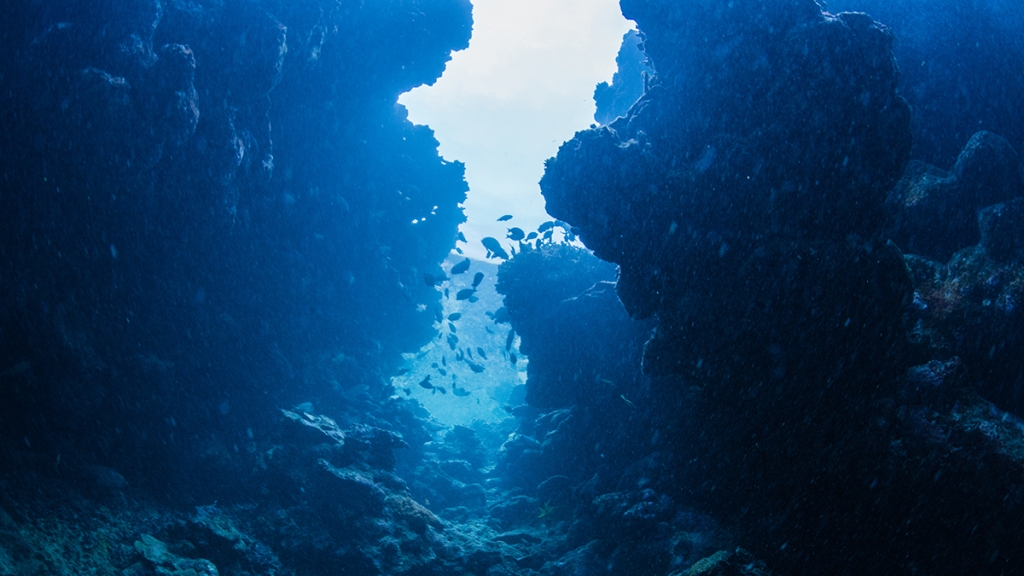
Deep Beneath the Atlantic: The “Grand Canyon” That Wasn’t Built by Rivers
Far out in the North Atlantic, roughly 1,000 kilometers off the coast of Portugal, lies one of the ocean’s most mysterious geological marvels. The King’s Trough complex—sometimes called the “Grand Canyon of the Atlantic”—stretches across the seafloor like an ancient, submerged scar, its vast network of trenches and basins cutting through the Earth’s crust in a way that has puzzled scientists for decades.
At first glance, it might seem like the result of simple tectonic stretching—a crack in the Earth’s skin caused by the slow, relentless pull of shifting plates. But a groundbreaking new study led by researchers from the GEOMAR Helmholtz Centre for Ocean Research in Germany reveals a far more dramatic and complex origin story, one that reads like a geological thriller unfolding over millions of years.
The Puzzle Beneath the Waves
For years, the scientific community debated how this immense structure—spanning about 500 kilometers—came to be. Some theorized it was the product of oceanic crust being pulled apart, while others suspected deeper, more mysterious forces at play. The King’s Trough complex, with its deep basins and sprawling trenches, demanded a closer look.
Using state-of-the-art high-resolution sonar mapping and collecting volcanic rock samples from various points within the trough, the GEOMAR team embarked on an ambitious investigation. What they discovered was a tale of heat, pressure, and the fleeting dance of tectonic plates.
A Perfect Storm of Geological Forces
The researchers found that the King’s Trough complex was not the product of a single, simple process. Instead, it emerged from a rare and temporary alignment of two powerful forces: the weakening influence of a mantle plume and the immense pressure of a transient plate boundary.
Mantle plumes are columns of hot, buoyant rock that rise from deep within the Earth’s mantle, sometimes reaching the crust and causing volcanic activity. In this case, the plume’s heat softened and thinned the crust, making it more vulnerable to fracturing. But that alone wasn’t enough.
Enter the plate boundary—a shifting, temporary rift in the Earth’s crust that passed directly through the region. This boundary acted like a geological scalpel, slicing through the weakened crust and carving out the vast troughs and basins we see today. The researchers estimate this dramatic reshaping occurred between 37 and 24 million years ago, a blink of an eye in geological terms.
A Rare Geological Event
What makes the King’s Trough complex so unique is the fleeting nature of these forces. The plate boundary responsible for the trough’s formation was not permanent. Instead, it “jumped” southward, eventually settling near the modern Azores, where the Terceira Rift—a similar system of trenches—is currently forming.
This movement effectively halted the creation of the King’s Trough, leaving behind a fossilized record of a once-active geological boundary. The researchers liken the Terceira Rift to a “living laboratory,” offering scientists a rare opportunity to observe in real-time the processes that shaped the King’s Trough millions of years ago.
Implications for Earth’s Deep History
The study’s findings have far-reaching implications for our understanding of Earth’s geological history. The mantle plume identified by the researchers is believed to be an early branch of the Azores mantle plume, which remains active today. This connection suggests that the forces shaping the King’s Trough complex are part of a larger, ongoing story of Earth’s dynamic interior.
Moreover, the research sheds light on the formation of other large submarine canyon-like troughs, which remain poorly understood features on the ocean floor. By unraveling the complex interplay of heat, pressure, and plate movement that created the King’s Trough, scientists can apply these insights to similar structures around the world.
A Window into Earth’s Dynamic Interior
The King’s Trough complex is more than just an underwater curiosity—it’s a window into the powerful, often hidden forces that shape our planet. From the slow rise of mantle plumes to the sudden shifts of tectonic plates, the story of its formation is a reminder of Earth’s constant state of change.
As marine geologist Jörg Geldmacher puts it, “When the plate boundary later moved further south towards the modern Azores, the formation of the King’s Trough also came to a halt.” This fleeting moment in geological time has left behind a legacy that continues to captivate scientists and deepen our understanding of the world beneath the waves.
The research, published in the journal Geochemistry, Geophysics, Geosystems, not only solves a long-standing mystery but also opens new avenues for exploring the dynamic processes that shape our planet’s surface—and the hidden depths below.
Tags: Atlantic Ocean, Geology, Mantle Plume, Plate Tectonics, Underwater Canyon, King’s Trough, Azores, GEOMAR, Earth Science, Volcanic Activity, Seafloor Mapping, Deep Earth, Geological Mystery, Ocean Exploration
Viral Phrases: “Grand Canyon of the Atlantic,” “Earth’s hidden forces,” “tectonic thriller,” “fleeting dance of tectonic plates,” “fossilized record of a once-active boundary,” “living laboratory,” “window into Earth’s dynamic interior,” “geological marvel,” “mystery beneath the waves,” “unraveling Earth’s deep history,” “powerful, often hidden forces,” “constant state of change,” “captivating scientists,” “new avenues for exploration.”
,

Leave a Reply
Want to join the discussion?Feel free to contribute!