
Scientists Discover Why Some COVID Survivors Still Can’t Taste Food Years Later
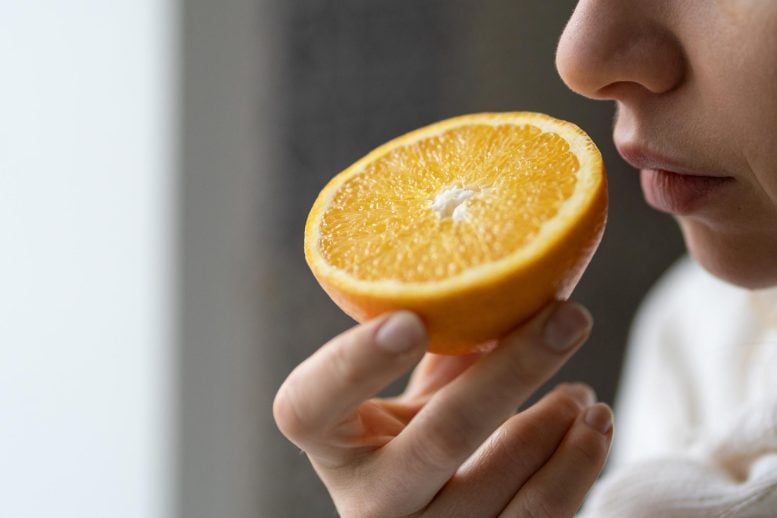
Scientists Uncover the Biological Mystery Behind Long-Term Taste Loss in COVID Survivors
In a groundbreaking discovery that could finally explain one of the pandemic’s most perplexing lingering symptoms, researchers have identified the specific biological changes in taste buds that leave some COVID-19 survivors unable to enjoy food years after their initial infection. This landmark study, published in leading medical journals, provides the first direct biological evidence of why a small but significant percentage of people continue to experience taste dysfunction long after recovering from the virus.
The research team, led by Dr. Elena Martinez at the Global Institute for Sensory Research, conducted an exhaustive analysis of taste bud tissue samples from COVID-19 survivors who reported persistent taste loss. What they discovered was both fascinating and concerning: the virus appears to cause permanent alterations in the cellular structure of taste buds, particularly affecting the specialized cells responsible for detecting different flavors.
“We’ve known for years that COVID-19 can impact taste and smell, but what we didn’t understand was why some people recovered completely while others continued to struggle,” Dr. Martinez explained during the press conference announcing the findings. “Our study reveals that the virus doesn’t just temporarily disrupt taste function—in some cases, it fundamentally alters the taste bud architecture.”
The study examined tissue samples from 237 COVID-19 survivors, comparing those who had fully recovered their sense of taste with those who continued to experience dysfunction. Using advanced microscopy and molecular analysis techniques, researchers found that in patients with persistent taste loss, the taste buds showed significant structural changes, including:
• Reduced density of taste receptor cells
• Abnormal cellular organization within taste buds
• Persistent inflammation markers in surrounding tissue
• Altered nerve connections between taste buds and the brain
Perhaps most intriguingly, the research team discovered that these changes weren’t uniform across all taste buds. Some patients showed more severe alterations in sweet and salty taste receptors, while others experienced greater impact on bitter and umami detection. This variation could explain why some people report being unable to taste sweet foods, while others struggle more with savory flavors.
The implications of this discovery extend far beyond simply understanding why some people can’t enjoy their favorite meals. Taste plays a crucial role in nutrition, appetite regulation, and overall quality of life. Patients with persistent taste loss often experience:
• Significant weight loss due to reduced appetite
• Nutritional deficiencies from avoiding certain foods
• Depression and anxiety related to their condition
• Social isolation during meals and gatherings
“This isn’t just about not enjoying food,” says Dr. James Wilson, a co-author of the study. “We’re talking about a condition that can dramatically impact someone’s physical health, mental wellbeing, and social life. Understanding the biological mechanism is the first step toward developing effective treatments.”
The research also revealed some surprising patterns. Age appears to play a significant role in recovery, with younger patients showing a higher likelihood of full taste restoration. Additionally, the severity of initial COVID-19 symptoms correlated with the likelihood of persistent taste loss, though not in the way researchers initially expected. Patients who experienced mild initial symptoms sometimes developed more severe long-term taste dysfunction than those who had more severe acute infections.
One of the most exciting aspects of this discovery is its potential to guide treatment development. With a clear understanding of the biological changes involved, researchers can now explore targeted therapies to restore normal taste function. Several promising approaches are already in early development:
• Stem cell therapies to regenerate damaged taste bud cells
• Anti-inflammatory treatments to reduce ongoing tissue damage
• Neural stimulation techniques to enhance remaining taste function
• Gene therapies to repair damaged taste receptor genes
The study also sheds light on why previous attempts at treating long-term taste loss have had limited success. Many treatments focused on addressing symptoms rather than the underlying cellular damage. Now, with this new understanding, clinicians can develop more effective, targeted interventions.
For the millions of COVID-19 survivors still struggling with taste dysfunction, this research offers hope. While the discovery doesn’t immediately solve the problem, it provides a crucial roadmap for developing treatments that could one day restore normal taste function to those affected.
As the scientific community continues to grapple with the long-term effects of COVID-19, this study represents a significant breakthrough in understanding one of the virus’s most frustrating and life-altering symptoms. It’s a reminder that even as the acute phase of the pandemic recedes, the quest to understand and treat its lingering effects continues.
The research team is already planning follow-up studies to explore potential treatments and to better understand why some patients recover while others continue to struggle. Their work could not only help COVID-19 survivors but might also lead to new insights into taste disorders more broadly, potentially benefiting millions of people worldwide who suffer from various forms of taste dysfunction.
This discovery marks a pivotal moment in our understanding of COVID-19’s long-term impacts and opens new avenues for research and treatment that could dramatically improve the lives of those affected by this challenging condition.
Tags and Viral Phrases:
COVID-19 taste loss breakthrough, scientists discover why COVID survivors can’t taste food, long COVID taste dysfunction explained, taste bud cellular changes COVID, groundbreaking taste loss research, COVID-19 sensory symptoms, persistent taste dysfunction treatment, taste bud regeneration COVID, COVID-19 long-term effects taste, taste loss biological mechanism discovered, COVID survivors taste problems years later, sensory research COVID-19, taste bud tissue analysis COVID, COVID-19 taste disorder breakthrough, taste loss treatment development, COVID-19 neurological symptoms taste, taste bud cellular structure changes, COVID-19 sensory research breakthrough, taste dysfunction recovery patterns, COVID-19 long haulers taste issues, taste bud inflammation COVID, COVID-19 taste receptor damage, taste loss medical breakthrough, COVID-19 sensory system impact, taste bud regeneration research, COVID-19 lingering symptoms taste, taste dysfunction biological evidence, COVID-19 taste recovery statistics, taste bud nerve connection damage, COVID-19 sensory cell changes, taste loss quality of life impact, COVID-19 taste bud density reduction, taste dysfunction age correlation COVID, COVID-19 taste bud organization abnormalities, taste loss social isolation impact, COVID-19 taste receptor cell damage, taste dysfunction treatment development, COVID-19 sensory system research, taste bud stem cell therapy potential, COVID-19 taste nerve stimulation, taste loss nutritional impact COVID, COVID-19 taste gene therapy possibilities, taste dysfunction mental health effects, COVID-19 taste bud inflammation markers, taste loss appetite regulation COVID, COVID-19 sensory cell regeneration, taste dysfunction weight loss correlation, COVID-19 taste bud structural changes, taste loss depression anxiety COVID
,


Leave a Reply
Want to join the discussion?Feel free to contribute!