
Visit the North Sea oilfield where CO2 is pumped under the seabed
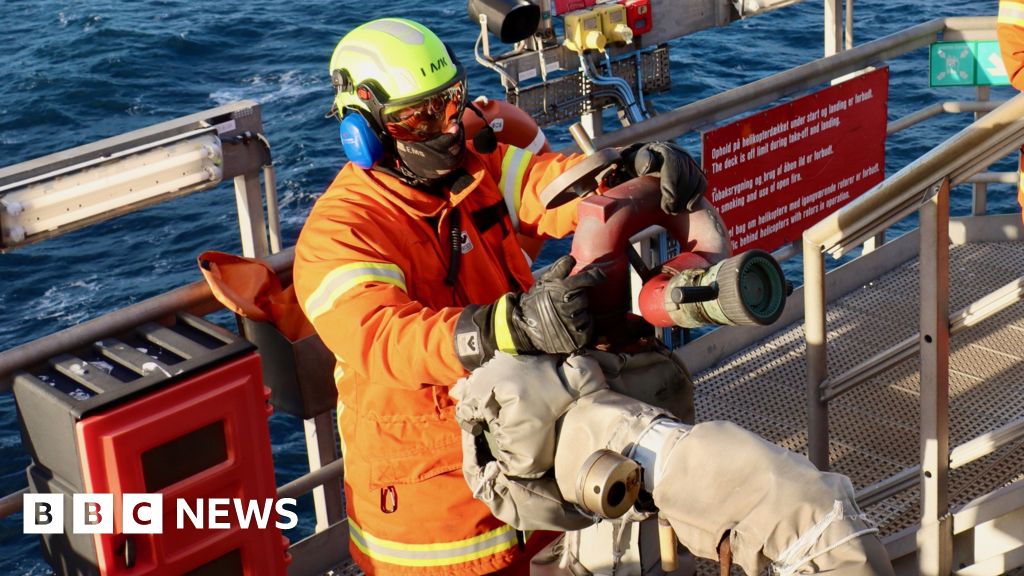
The North Sea is rapidly emerging as a global hub for carbon capture and storage (CCS), and the driving force behind this development is its rich oil and gas legacy. For decades, the region has been a cornerstone of energy production, with vast reserves extracted from beneath the seabed. Now, as the world pivots toward decarbonization, the North Sea’s geological infrastructure is being repurposed to address one of the most pressing challenges of our time: climate change.
At the heart of this transformation is the North Sea’s unparalleled geological knowledge. Decades of oil and gas exploration have left behind a treasure trove of data about the region’s subsurface. This wealth of information has made it easier to identify and evaluate potential sites for carbon storage, a critical factor in the success of CCS projects. According to Niels Schovsbo, a senior researcher at the Geological Survey of Greenland and Denmark (GEUS), the North Sea’s geological exploration is a key reason why it is becoming a focal point for CCS initiatives.
“The North Sea’s geology is among the best understood in the world,” Schovsbo explains. “This is a direct result of the extensive exploration and production activities that have taken place over the past several decades. The data we have on potential storage sites is incredibly detailed, which significantly reduces the risks and uncertainties associated with CCS projects.”
The North Sea’s potential as a CCS hub is not just about geology, however. It also benefits from a well-established infrastructure that includes pipelines, platforms, and other facilities originally built for oil and gas production. This infrastructure can be repurposed for CCS, reducing the cost and complexity of new projects. Additionally, the region’s proximity to major industrial centers in Europe makes it an ideal location for capturing and storing carbon emissions from industries such as cement, steel, and chemicals.
Governments and private companies are taking notice. In recent years, several large-scale CCS projects have been announced in the North Sea, with significant investments flowing into the region. The UK, Norway, and Denmark are leading the charge, each with ambitious plans to develop CCS infrastructure and integrate it into their broader climate strategies. For example, the UK’s East Coast Cluster and Norway’s Longship project are among the most advanced CCS initiatives in the world, aiming to capture millions of tons of CO2 annually and store it safely beneath the seabed.
The North Sea’s transformation into a CCS hub is also being driven by policy and regulatory frameworks. European governments are increasingly recognizing the role of CCS in achieving net-zero emissions, and are providing financial incentives and regulatory support to accelerate its deployment. The EU’s Green Deal and the UK’s Ten Point Plan for a Green Industrial Revolution are just two examples of how policymakers are prioritizing CCS as a key tool in the fight against climate change.
However, the path to realizing the North Sea’s full potential as a CCS hub is not without challenges. One of the biggest hurdles is public acceptance. While CCS is widely seen as a necessary technology for reducing emissions, there are concerns about its safety, environmental impact, and long-term effectiveness. Addressing these concerns will require transparent communication, robust monitoring, and rigorous safety standards.
Another challenge is the cost of CCS technology, which remains high compared to other decarbonization options. While the repurposing of existing infrastructure in the North Sea helps to reduce costs, significant investment will still be needed to scale up CCS projects and make them economically viable. Governments and industry will need to work together to create a supportive policy environment and secure the necessary funding.
Despite these challenges, the North Sea’s emergence as a CCS hub represents a major opportunity for the region and the world. By leveraging its geological expertise, infrastructure, and strategic location, the North Sea can play a pivotal role in the global transition to a low-carbon economy. As Niels Schovsbo notes, “The North Sea has the potential to become a model for how CCS can be deployed at scale, providing valuable lessons for other regions around the world.”
The transformation of the North Sea from an oil and gas powerhouse to a leader in carbon capture and storage is a testament to the power of innovation and adaptation. It is a story of how the legacy of the past can be harnessed to address the challenges of the future. As the world races to meet its climate goals, the North Sea is poised to play a central role in this global effort, demonstrating that even the most traditional energy regions can become champions of sustainability.
#Tags #ViralSentences
North Sea CCS hub, carbon capture and storage, geological expertise, oil and gas legacy, decarbonization, climate change solutions, UK East Coast Cluster, Norway Longship project, EU Green Deal, net-zero emissions, infrastructure repurposing, public acceptance challenges, cost of CCS technology, low-carbon economy, sustainability innovation, global climate goals, energy transition, carbon storage sites, industrial emissions reduction, policy support for CCS, environmental impact of CCS, monitoring and safety standards, funding for CCS projects, geological survey of Greenland and Denmark, Niels Schovsbo, CCS deployment at scale, lessons for other regions, traditional energy regions, champions of sustainability, global effort to fight climate change, transformative potential of CCS, strategic location for CCS, well-established infrastructure, major industrial centers in Europe, Green Industrial Revolution, robust monitoring, transparent communication, economic viability of CCS, significant investment in CCS, supportive policy environment, pivotal role in low-carbon economy, power of innovation and adaptation, legacy of the past, challenges of the future, racing to meet climate goals, North Sea transformation, model for CCS deployment, valuable lessons for the world, harnessing legacy for sustainability, global transition to low-carbon economy, addressing climate challenges, CCS technology, carbon capture and storage initiatives, geological knowledge, potential storage sites, extensive exploration, detailed data, reducing risks and uncertainties, critical factor in CCS success, well-established infrastructure, pipelines and platforms, cost and complexity reduction, proximity to industrial centers, large-scale CCS projects, significant investments, ambitious plans, climate strategies, policy and regulatory frameworks, financial incentives, regulatory support, deployment acceleration, public acceptance concerns, safety and environmental impact, long-term effectiveness, transparent communication, robust monitoring, rigorous safety standards, high cost of CCS, economic viability, governments and industry collaboration, supportive policy environment, necessary funding, major opportunity, strategic location, pivotal role, global transition, model for deployment, valuable lessons, innovation and adaptation, legacy of the past, challenges of the future, racing to meet climate goals, central role, champions of sustainability, transformative potential, strategic location, well-established infrastructure, major industrial centers in Europe, Green Industrial Revolution, robust monitoring, transparent communication, economic viability, significant investment, supportive policy environment, pivotal role in low-carbon economy, power of innovation and adaptation, legacy of the past, challenges of the future, racing to meet climate goals, North Sea transformation, model for CCS deployment, valuable lessons for the world, harnessing legacy for sustainability, global transition to low-carbon economy, addressing climate challenges, CCS technology, carbon capture and storage initiatives, geological knowledge, potential storage sites, extensive exploration, detailed data, reducing risks and uncertainties, critical factor in CCS success, well-established infrastructure, pipelines and platforms, cost and complexity reduction, proximity to industrial centers, large-scale CCS projects, significant investments, ambitious plans, climate strategies, policy and regulatory frameworks, financial incentives, regulatory support, deployment acceleration, public acceptance concerns, safety and environmental impact, long-term effectiveness, transparent communication, robust monitoring, rigorous safety standards, high cost of CCS, economic viability, governments and industry collaboration, supportive policy environment, necessary funding, major opportunity, strategic location, pivotal role, global transition, model for deployment, valuable lessons, innovation and adaptation, legacy of the past, challenges of the future, racing to meet climate goals, central role, champions of sustainability, transformative potential.,


Leave a Reply
Want to join the discussion?Feel free to contribute!