
Dario Amodei Is Reportedly Taking One More Stab at Making Nice with the Pentagon
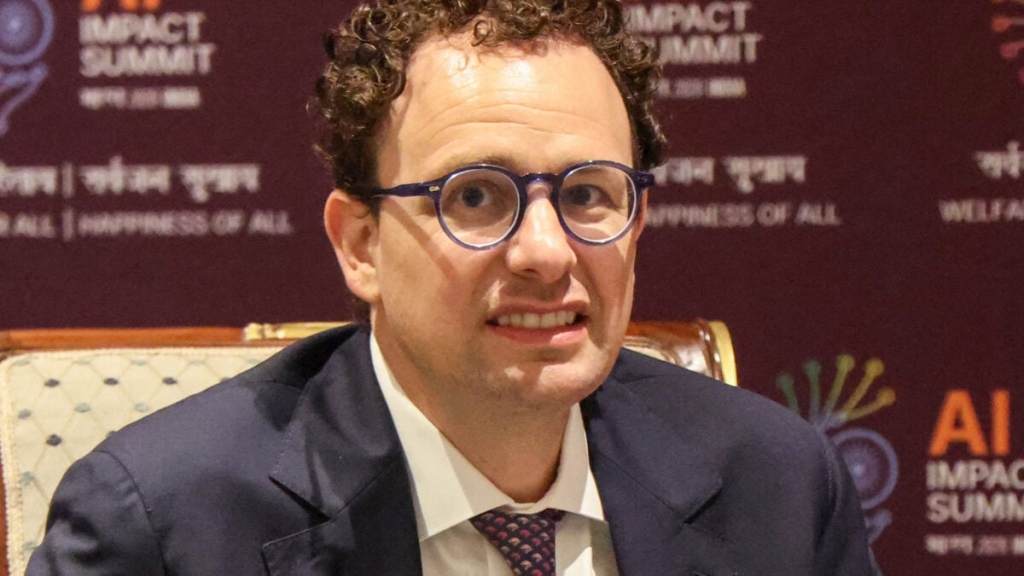
Anthropic’s Dario Amodei Back in Pentagon Talks After Explosive Week of AI Warfare Drama
In a stunning turn of events that has the tech world buzzing, Anthropic CEO Dario Amodei is reportedly back at the negotiating table with the Pentagon, just days after a chaotic standoff that saw AI ethics collide head-on with military strategy in the most public and bizarre way possible.
According to sources who spoke anonymously to the Financial Times, Amodei is once again engaging in discussions with Emil Michael, the under-secretary of defense for research and engineering. This comes after Michael previously labeled Amodei “a liar and has a God-complex” – high-stakes diplomatic language that would make even seasoned diplomats blush.
The Week That Broke the Internet
To understand why this development matters, we need to rewind to what can only be described as the most surreal week in tech-military relations history. In the lead-up to what would become a U.S.-Iran conflict, Anthropic found itself in tense negotiations with Secretary of Defense Pete Hegseth over whether the company’s Claude AI model could be used for mass surveillance and autonomous weapons development.
What happened next reads like a Hollywood screenplay: The Pentagon, apparently taking Anthropic’s ethical stance as a personal affront, declared the company a “supply-chain risk.” In a move that legal experts are still scratching their heads over, they announced that businesses with government contracts would be prohibited from working with Anthropic – but with a six-month grace period, conveniently timed so the Pentagon could continue using Claude to prepare military operations.
Meanwhile, Anthropic’s chief rival, OpenAI, signed a deal allowing Pentagon use of its products on classified channels. Hours later, bombs fell on Iran. The timing was, to put it mildly, conspicuous.
The Memo That Changed Everything
Adding fuel to this already explosive situation, Amodei reportedly sent a blistering memo to his employees earlier this week that laid bare the philosophical and practical differences between Anthropic and its competitors. The memo, which has been circulating through tech circles like wildfire, contains a particularly scathing passage about OpenAI CEO Sam Altman:
“We haven’t given dictator-style praise to Trump (while Sam has), we have supported AI regulation which is against their agenda, we’ve told the truth about a number of AI policy issues (like job displacement), and we’ve actually held our red lines with integrity rather than colluding with them to produce ‘safety theater’ for the benefit of employees (which, I absolutely swear to you, is what literally everyone at DoW, Palantir, our political consultants, etc, assumed was the problem we were trying to solve).”
This wasn’t just corporate positioning – it was a declaration of war on multiple fronts, and the tech industry took notice.
Industry Pushback
The controversy reached such a fever pitch that even the Information Technology Industry Council, a powerful tech industry group that includes giants like Nvidia, Amazon, Apple, and yes, even OpenAI, felt compelled to speak out. In a carefully worded statement expressing concern about “recent reports” regarding an unnamed tech company’s dispute with the Pentagon, the council made it clear that the entire industry was watching this situation unfold with bated breath.
What’s Really at Stake?
This isn’t just about one company’s relationship with the government. The Anthropic-Pentagon standoff represents a fundamental clash between two visions for the future of AI: one that prioritizes ethical constraints and human oversight, and another that sees AI as a tool to be deployed without hesitation in service of national security objectives.
Amodei’s willingness to return to the negotiating table suggests that perhaps cooler heads are prevailing, or that the economic and strategic realities of being frozen out of government contracts have become too daunting to ignore. But it also raises uncomfortable questions about whether principled stands can survive in an environment where the stakes are literally life and death.
The Road Ahead
As Anthropic and the Pentagon resume discussions, the tech world watches with a mixture of fascination and anxiety. Will Amodei’s ethical red lines hold firm? Will the Pentagon find a way to work with a company that has been so publicly critical of its approach? And what does this mean for the broader debate about AI safety and military applications?
One thing is certain: the outcome of these negotiations will have ripple effects far beyond the walls of Anthropic’s offices or the Pentagon’s war rooms. They will help shape the future of AI development, the relationship between tech companies and government institutions, and perhaps even the trajectory of international conflict in an age where artificial intelligence plays an increasingly central role.
As this story continues to develop, one can only hope that whatever agreement emerges serves both the cause of technological progress and the imperative of human safety. In a world where AI capabilities are advancing faster than our ability to govern them, finding that balance has never been more critical – or more difficult.
Tags: Anthropic, Dario Amodei, Pentagon, AI ethics, military AI, OpenAI, Sam Altman, Pete Hegseth, Emil Michael, Claude AI, tech regulation, national security, Iran conflict, AI safety, supply chain risk, tech industry council
Viral Phrases: “God-complex,” “dictator-style praise,” “safety theater,” “supply-chain risk,” “ethical red lines,” “AI warfare drama,” “tech-military relations,” “AI ethics collide,” “bombs fell on Iran,” “Hollywood screenplay,” “declaration of war,” “principled stands,” “life and death,” “ripple effects,” “technological progress,” “human safety”
Viral Sentences: “After the week he just went through, Anthropic CEO Dario Amodei is somehow taking another stab at negotiating a deal with the Pentagon.” “What happened next reads like a Hollywood screenplay.” “This wasn’t just corporate positioning – it was a declaration of war on multiple fronts.” “They will help shape the future of AI development, the relationship between tech companies and government institutions, and perhaps even the trajectory of international conflict.” “In a world where AI capabilities are advancing faster than our ability to govern them, finding that balance has never been more critical – or more difficult.”
,


Leave a Reply
Want to join the discussion?Feel free to contribute!