
How to rat-proof your yard — 5 expert tips to keep them away
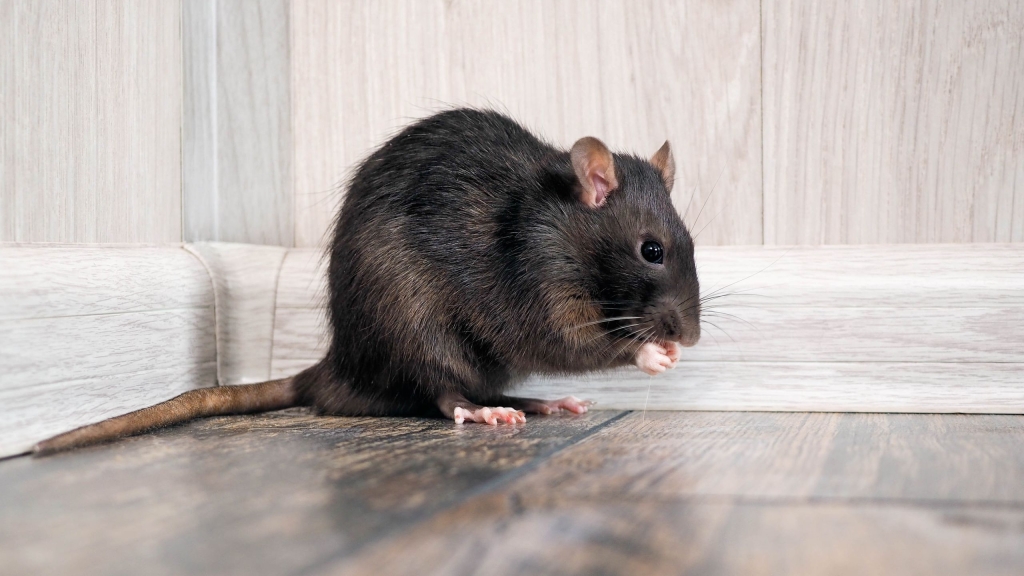
Rats: The Uninvited Guests That Thrive in Wet Weather
As rain pounds down and temperatures plummet, homeowners across the country face an increasingly common threat: rat invasions. These resourceful rodents don’t just survive in harsh conditions—they actively seek out the comfort of human homes when their natural habitats become uninhabitable.
The Science Behind Rat Migration
When heavy rainfall saturates the ground, it creates a cascade of problems for rat populations. Their underground burrows, which normally provide safe shelter, fill with water, forcing these creatures to the surface. Add freezing temperatures to the mix, and suddenly your warm, dry home looks like the Ritz-Carlton of rodent accommodations.
Rats are masters of survival. They can squeeze through openings as small as a quarter, climb vertical surfaces, and swim through sewer lines. Once they’ve identified your home as a viable shelter option, they’ll stop at nothing to gain entry.
Early Detection: Your First Line of Defense
The key to preventing a full-blown infestation is catching the warning signs early. Here’s what to look for:
Fresh Droppings: These dark, pellet-shaped markers are typically found along walls, in cabinets, under sinks, and near food sources. Fresh droppings are moist and dark; older ones turn gray and crumbly.
Gnaw Marks: Rats must constantly gnaw to keep their teeth from overgrowing. Look for fresh damage on food packaging, wooden structures, electrical wires, and even concrete in severe cases.
Scratching Sounds: Listen for scurrying, scratching, or squeaking noises in walls, ceilings, or attics, especially at night when rats are most active.
Grease Marks: Rats follow the same pathways repeatedly, leaving dark, greasy smudges along walls and baseboards from the oil in their fur.
Pet Behavior: Dogs and cats often become fixated on specific areas where they detect rodent activity, scratching at walls or staring intently at seemingly empty spaces.
The Three-Pronged Prevention Strategy
Effective rat prevention requires addressing three critical factors: entry points, food sources, and shelter opportunities.
Seal Entry Points: Conduct a thorough inspection of your home’s exterior. Look for cracks in the foundation, gaps around pipes and vents, damaged weather stripping, and openings around utility lines. Use steel wool combined with caulk for small gaps, and metal mesh for larger openings. Remember: if a pencil can fit through a hole, a rat probably can too.
Eliminate Food Sources: Rats have an incredible sense of smell and can detect food from considerable distances. Secure garbage in bins with tight-fitting lids, clean up fallen fruit from trees, manage bird feeders carefully, and never leave pet food outside overnight. Even compost piles can attract rats if not properly managed.
Remove Shelter Opportunities: Clear away debris, leaf piles, and overgrown vegetation near your home’s foundation. Store firewood at least 20 feet from your house and elevate it off the ground. Trim tree branches that hang over your roof, as rats are excellent climbers.
Advanced Prevention Techniques
For homeowners in particularly vulnerable areas, consider these additional measures:
Install Door Sweeps: These inexpensive devices can prevent rats from squeezing under exterior doors.
Repair Screens: Ensure all windows, vents, and other openings have intact, properly fitted screens.
Manage Water Sources: Fix leaky outdoor faucets, improve drainage around your foundation, and clean gutters regularly. Rats need water to survive, and eliminating easy access can discourage them from settling in.
Use Natural Deterrents: Some homeowners report success with peppermint oil, ammonia-soaked rags, or ultrasonic devices, though results vary.
When to Call Professionals
If you notice multiple signs of rat activity or if prevention efforts fail, it’s time to call pest control professionals. They have access to commercial-grade traps, baits, and exclusion techniques that are more effective than consumer products. Professional intervention is particularly important if you suspect rats have already established nests inside your walls or attic.
The Cost of Inaction
Ignoring a rat problem can lead to severe consequences. Rats can cause significant structural damage by gnawing through wood, insulation, and electrical wiring (creating fire hazards). They contaminate food sources with their droppings and urine, potentially spreading diseases like hantavirus, leptospirosis, and salmonellosis. The longer you wait, the more expensive and difficult removal becomes.
Conclusion
As weather patterns become increasingly unpredictable, rat invasions are likely to become more common. By understanding rat behavior and implementing comprehensive prevention strategies, you can protect your home from these unwelcome guests. Remember: an ounce of prevention is worth a pound of cure, especially when that cure involves evicting an established rat colony from your attic.
Stay vigilant, act quickly at the first signs of trouble, and maintain your home’s defenses year-round. Your future self—and your peace of mind—will thank you.
Tags & Viral Phrases:
- Rats invade homes during wet weather
- How to keep rats out of your house
- Rat prevention tips homeowners need to know
- Warning signs of rat infestation
- Protect your home from rodent invasion
- The ultimate guide to rat-proofing your property
- Don’t let rats turn your home into their winter shelter
- Simple steps to make your home rat-resistant
- What attracts rats to your home?
- The hidden costs of ignoring rat problems
- Professional vs. DIY rat control: What works best?
- Seasonal rat behavior every homeowner should understand
- The surprising ways rats can enter your home
- Health risks of rat infestations you can’t ignore
- Weather-driven rat migration: What every homeowner needs to know
- The truth about ultrasonic rat repellents
- Natural rat deterrents that actually work
- How to inspect your home for potential rat entry points
- The psychology of rat behavior: Why they choose certain homes
- Emergency rat control: When to call the professionals
- The economic impact of rat damage to homes
- Rat-proofing your home: A comprehensive guide
- The science behind why rats seek shelter in human homes
- DIY rat prevention vs. professional services: Cost comparison
- The environmental factors that drive rat invasions
- Understanding rat breeding cycles to prevent infestations
- The role of landscaping in rat prevention
- How climate change affects rat behavior and home invasions
- The most common mistakes homeowners make with rat prevention
- Creating a year-round rat prevention maintenance schedule
- The psychology of fear: Why rats trigger such strong reactions
- Legal considerations for dealing with rat infestations
- The future of rat control technology
- How to talk to neighbors about shared rat problems
- The connection between urban development and rat populations
- Insurance considerations for rat damage
- The impact of rat infestations on property values
- Cultural perspectives on rats and rodent control
- The history of rat control methods through the ages
- Celebrity rat horror stories and what we can learn from them
- The most effective rat traps on the market
- How to safely clean up after a rat infestation
- The role of sanitation in preventing rat problems
- Seasonal checklist for rat prevention
- The surprising benefits of having cats for rat control
- How to identify different types of rodent droppings
- The truth about rat intelligence and problem-solving abilities
- Why some homes are more attractive to rats than others
- The economic cost of rat infestations to homeowners
- How to create a rat-resistant garden and outdoor space
- The psychological impact of living with a rat problem
- Understanding the rat life cycle for better prevention
- The most effective natural rat repellents
- How to safely dispose of dead rats and contaminated materials
- The role of community action in preventing rat infestations
- Why traditional snap traps remain effective in the modern age
- The future of humane rat control methods
- How to rat-proof your vacation home or rental property
- The connection between bird feeders and rat problems
- Why some rat prevention myths persist despite evidence
- The impact of construction on local rat populations
- How to create a rat-resistant food storage system
- The role of pheromones in rat behavior and control
- Why some rat species are more problematic than others
- The economics of professional vs. DIY rat control
- How to monitor for rat activity without constant inspection
- The surprising places rats can hide in your home
- Why rat problems often indicate larger property maintenance issues
- The role of technology in modern rat detection and prevention
- How to create a rat-resistant compost system
- The environmental impact of different rat control methods
- Why some rat control methods work better in certain climates
- The connection between rat infestations and mental health
- How to educate children about rat safety and prevention
- The role of local government in rat population control
- Why rat problems often worsen during economic downturns
- The future of rat-resistant building materials and design
- How to create a rat-resistant outdoor entertaining space
- The surprising connection between rat infestations and allergies
- Why some rat species are protected in certain areas
- The role of citizen science in tracking rat populations
- How to create a rat-resistant vehicle storage area
- The economics of rat damage to agricultural properties
- Why some rat control methods are more humane than others
- The role of scent in rat navigation and how to disrupt it
- How to create a rat-resistant storage shed or outbuilding
- The connection between rat infestations and asthma
- Why some rat species are more intelligent than others
- The role of temperature in rat behavior and home invasions
- How to create a rat-resistant chicken coop or animal enclosure
- The economics of rat control in commercial properties
- Why some rat species are more adaptable to urban environments
- The role of humidity in rat behavior and home invasions
- How to create a rat-resistant recycling storage area
- The connection between rat infestations and property insurance
- Why some rat species are more aggressive than others
- The role of moonlight in rat behavior and home invasions
- How to create a rat-resistant boat or vehicle storage area
- The economics of rat control in multi-unit dwellings
- Why some rat species are more social than others
- The role of barometric pressure in rat behavior and home invasions
- How to create a rat-resistant outdoor kitchen or grill area
- The connection between rat infestations and respiratory issues
- Why some rat species are more territorial than others
- The role of seasonal changes in rat behavior and home invasions
,


Leave a Reply
Want to join the discussion?Feel free to contribute!