
Two marsupials believed extinct for 6000 years found alive
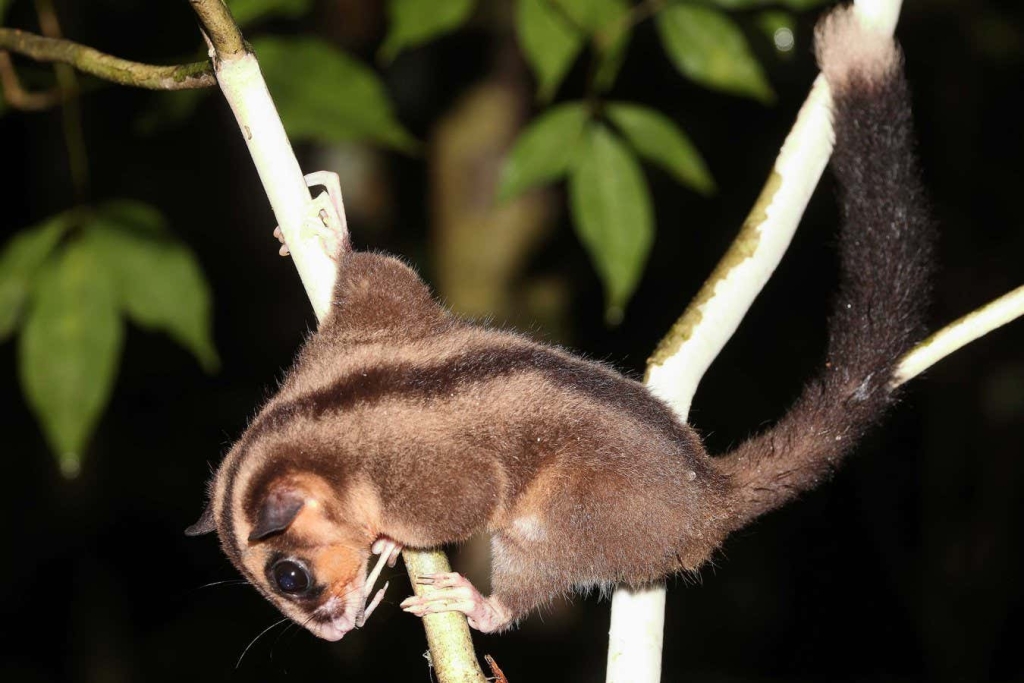
Breaking News: Two ‘Extinct’ Marsupials Rediscovered After 6,000 Years! 🦘✨
In an astonishing scientific breakthrough that’s sending shockwaves through the conservation world, researchers have confirmed the existence of two marsupial species previously thought to have vanished from Earth millennia ago. The ring-tailed glider and pygmy long-fingered possum, both believed extinct for at least 6,000 years, have been found alive and thriving in the remote Vogelkop peninsula of Papua, Indonesia.
This discovery reads like something straight out of a science fiction novel – imagine species that disappeared when woolly mammoths still roamed the Earth suddenly reappearing in the modern world! The animals were known only from Australian fossils until now, making this find one of the most significant zoological discoveries of the century.
The ring-tailed glider, scientifically named Tous ayamaruensis, represents a fascinating evolutionary mystery. Unlike its Australian relatives, this creature boasts a prehensile tail and unique ear structures that led scientists to classify it in an entirely new genus. Local Indigenous communities have long known about these animals, considering them sacred creatures deserving of protection. Their cultural reverence may have been crucial in keeping these gliders hidden from scientific discovery for so long.
Meanwhile, the pygmy long-fingered possum (Dactylonax kambuayai) is equally remarkable, sporting a distinctive striped pattern and an extraordinarily elongated finger that’s twice the length of its other digits. According to lead researcher Tim Flannery, these possums have specialized ear structures for detecting low-frequency sounds, likely helping them locate wood-boring beetle larvae in rotting wood. “They’re listening for dinner,” Flannery explains, “then using that incredible finger to fish out the grub.”
The discovery process itself reads like a detective thriller. Scientists spent years piecing together tantalizing sightings, misidentified museum specimens, and sub-fossil remains before confirming these animals’ existence. The breakthrough came through collaboration with local Indigenous communities, whose traditional knowledge proved invaluable in locating these elusive creatures.
However, this scientific triumph comes with serious concerns. The exact locations of these populations are being kept secret due to fears of wildlife trafficking. Additionally, logging threatens their already limited habitat, and scientists know little about their exact range or ecological requirements. As David Lindenmayer from the Australian National University notes, “I’m hugely concerned about the extent of logging and land clearing happening in New Guinea.”
The fossil record adds another layer of intrigue to this story. While Tous fossils from 3-4 million years ago have been found in Victoria and New South Wales, there’s a puzzling gap until 280,000 years ago, when they appear to have been relatively common in Queensland’s Mount Etna and Capricorn caves. The smallest of these ancient fossils is indistinguishable from the living Tous now found in West Papua.
Scott Hucknull of Central Queensland University, who wasn’t involved in the research, emphasizes the significance: “These discoveries are more important than finding a living thylacine in Tasmania.” The thylacine, or Tasmanian tiger, was officially declared extinct in 1936, making this comparison particularly striking.
This rediscovery raises profound questions about what other “extinct” species might still exist in Earth’s remote corners. It also highlights the critical importance of Indigenous knowledge in scientific discovery and conservation efforts. As we face unprecedented biodiversity loss, these “back from the dead” marsupials offer a glimmer of hope – and a stark reminder of how much we still have to learn about our planet’s incredible biodiversity.
ExtinctNoMore #MarsupialMarvels #ScientificDiscovery #ConservationSuccess #LivingFossils #Biodiversity #IndigenousKnowledge #WildlifeConservation #PapuaNewGuinea #EvolutionaryMystery #BackFromTheDead #NatureRecovery #ZoologicalBreakthrough #HiddenSpecies #PrehistoricSurvivors #EcoDiscovery #WildlifeProtection #ScientificBreakthrough #RareAnimals #ConservationHope
The discovery has already sparked intense interest in the scientific community, with researchers rushing to learn more about these remarkable creatures before it’s too late. Their survival represents not just a scientific victory, but a powerful reminder of nature’s resilience and the importance of preserving our planet’s remaining wild spaces.
As logging and development continue to threaten these animals’ habitat, the race is now on to protect them and learn everything possible about their ecology, behavior, and conservation needs. This discovery could prove to be just the beginning of a new understanding of marsupial evolution and survival.
The story of these “Lazarus species” – creatures that reappear after being thought extinct – continues to captivate scientists and the public alike. From the coelacanth fish rediscovered in 1938 after being thought extinct for 66 million years, to these remarkable marsupials, such finds remind us that nature still holds many secrets and that extinction might not always be forever.
What other lost species might still be out there, waiting to be rediscovered? This question now drives researchers to explore Earth’s most remote and unexplored regions, hoping to find more living treasures that have somehow survived against all odds.
,


Leave a Reply
Want to join the discussion?Feel free to contribute!