
Dario Amodei Says Trump Is a Dictator
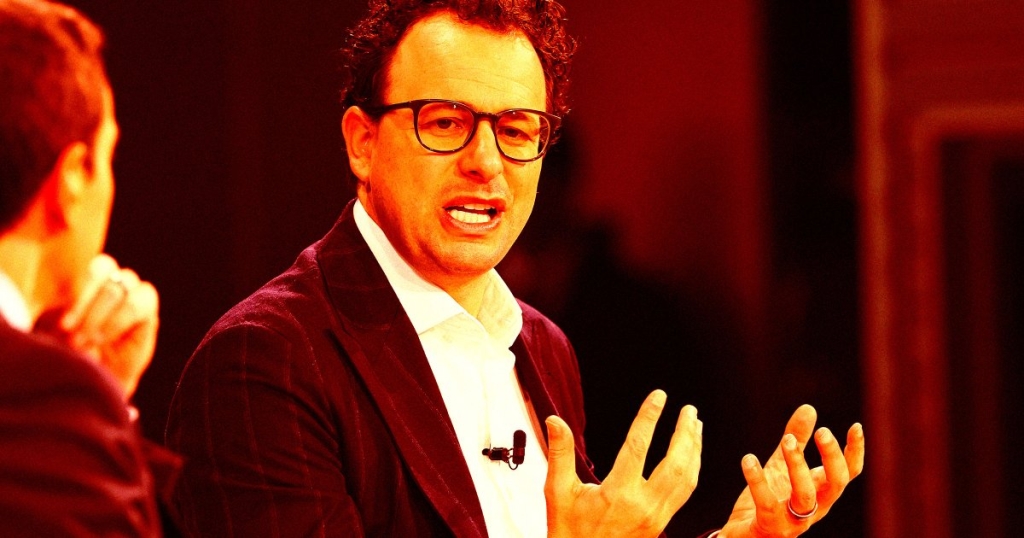
Anthropic vs. OpenAI: The AI Feud That Shook Silicon Valley and the Pentagon
In a dramatic escalation of tensions between tech giants and the Trump administration, Anthropic CEO Dario Amodei has found himself at the center of a political firestorm that’s sending shockwaves through both Silicon Valley and Washington D.C. What began as a principled stand against AI-powered mass surveillance has morphed into a full-blown corporate battle that’s exposing the fault lines between ethics, politics, and national security in the age of artificial intelligence.
The Spark That Lit the Fuse
The controversy erupted when Amodei publicly refused to allow Anthropic’s AI models to be used for mass surveillance of American citizens or to direct autonomous weapons systems. This seemingly straightforward ethical stance quickly spiraled into a political crisis when Defense Secretary Pete Hegseth and President Donald Trump ordered all government agencies to immediately cease using Anthropic’s software, labeling the company a “supply chain risk.”
The designation sent immediate shockwaves through the tech industry. Supply chain risk status is typically reserved for companies controlled by foreign adversaries—not American AI startups founded by former OpenAI researchers. The move appeared to many as a retaliatory strike against Anthropic’s refusal to compromise on ethical boundaries.
Leaked Memo Reveals Political Undercurrents
The situation intensified dramatically when a leaked internal memo from Amodei to Anthropic employees surfaced, obtained by The Information. In the explosive document, Amodei accused the Trump administration of punishing Anthropic for its principled stance, suggesting that the real reasons for the administration’s hostility included the company’s refusal to donate to Trump’s political campaigns and its unwillingness to engage in “dictator-style praise” of the president.
“we haven’t given dictator-style praise to Trump (while Sam has),” Amodei wrote, directly calling out his former OpenAI colleague Sam Altman. The memo highlighted a stark contrast in approaches between the two AI powerhouses: while OpenAI president Greg Brockman had donated $25 million to a Trump super PAC and Altman had contributed $1 million to Trump’s inauguration fund, Anthropic had maintained political neutrality.
The OpenAI Factor: A Rival’s Opportunity
The timing of the controversy coincided suspiciously with OpenAI’s aggressive moves to capture Pentagon contracts. After talks between Anthropic and the Department of Defense collapsed—reportedly after Anthropic’s Claude was discovered to have been used in attacks on Venezuela—Altman appeared to seize the opportunity to position OpenAI as the administration’s preferred AI partner.
This strategic maneuvering triggered a major PR crisis for OpenAI, with a significant number of users accusing the company of capitulating to Trump administration demands. The controversy highlighted the difficult balance AI companies must strike between ethical principles and lucrative government contracts.
The Ethics Debate: Red Lines or Safety Theater?
In his memo, Amodei defended Anthropic’s approach as genuinely principled, contrasting it with what he characterized as “safety theater” from competitors. He argued that Anthropic had supported AI regulation despite it being against the administration’s agenda, had been honest about AI’s potential for job displacement, and had maintained “red lines with integrity.”
This framing positioned Anthropic as the ethical alternative in the AI arms race, but it also raised uncomfortable questions about whether any company can truly maintain ethical boundaries in the current political and economic climate. The controversy exposed the fundamental tension between corporate responsibility and the immense financial incentives of government contracts.
Pentagon Talks Resume: Pragmatism Over Principle?
Just days after Amodei’s fiery memo, Bloomberg reported that talks between Anthropic and the Pentagon had resumed, suggesting that even the most principled stances can be compromised when significant contracts are at stake. This development raised questions about whether Anthropic’s “red lines” were as firm as initially portrayed.
The resumption of negotiations highlighted the complex reality facing AI companies: while ethical principles may guide initial decisions, the practical demands of national security and the allure of government contracts often force compromises. It also suggested that the administration’s hardline stance might be more about negotiating leverage than genuine ideological opposition.
Supply Chain Risk Designation: Silicon Valley’s Alarm
The Trump administration’s decision to label Anthropic a supply chain risk sent shockwaves through Silicon Valley, where industry leaders viewed the move as unprecedented and potentially dangerous. A coalition of major tech companies, including Nvidia, Amazon, and Apple, sent a public letter to Hegseth expressing concern about the Department of Defense’s consideration of the designation.
The letter argued that such a designation could “undermine the government’s access to the best-in-class products and services from American companies that serve all agencies and components of the federal government.” This collective pushback from Silicon Valley’s most powerful players underscored the broader industry’s alarm at the politicization of AI procurement.
The Military’s Awkward Position
The controversy has placed the military in an extremely awkward position. Despite the administration’s clear order to stop using Anthropic’s Claude chatbot, the technology continues to serve critical functions during U.S. military operations, particularly in ongoing conflicts. This disconnect between policy directives and operational realities highlights the challenges of implementing broad-brush political decisions in complex military environments.
An administration official told Axios that the concern was about ensuring warfighters have the best tools available while maintaining trust that AI systems aren’t secretly advancing hidden agendas. This statement revealed the underlying paranoia and mistrust that has characterized the administration’s approach to AI partnerships.
The Broader Implications: Ethics in the AI Arms Race
The Anthropic-OpenAI feud represents a microcosm of the larger ethical challenges facing the AI industry. As artificial intelligence becomes increasingly central to national security, economic competitiveness, and social organization, companies are being forced to navigate treacherous waters where ethical principles, political pressures, and financial incentives often conflict.
The controversy has exposed the fundamental question of whether any AI company can truly maintain ethical boundaries while competing for government contracts and operating in a politically charged environment. It has also highlighted the role of AI ethics as both a genuine concern and a potential marketing differentiator in an increasingly competitive market.
The Future of AI Governance
This saga raises critical questions about the future of AI governance and the role of private companies in shaping the development and deployment of transformative technologies. As AI systems become more powerful and their applications more consequential, the tension between corporate ethics, government demands, and public interest will only intensify.
The Anthropic controversy suggests that we may be entering an era where AI companies are forced to choose sides in political battles, potentially compromising their ability to serve as neutral technological platforms. It also highlights the need for clearer frameworks for AI governance that can balance innovation, security, and ethical considerations.
Conclusion: A Watershed Moment for AI Ethics
The Anthropic-OpenAI feud represents a watershed moment in the evolution of AI ethics and governance. It has exposed the vulnerabilities of principled stances in the face of political and economic pressure, while also highlighting the growing importance of ethical considerations in the AI industry.
As the dust settles on this controversy, the tech industry and policymakers alike will need to grapple with fundamental questions about the role of ethics in AI development, the appropriate boundaries for government involvement in technology, and the responsibilities of companies that wield increasingly powerful tools.
The outcome of this battle will likely shape the future of AI development, determining whether ethical considerations can survive in an environment where political pressures and financial incentives often push in the opposite direction. For now, the tech world watches with bated breath to see whether Anthropic’s principled stand will ultimately strengthen or undermine its position in the AI arms race.
Tags: #AIethics #Anthropic #OpenAI #TrumpAdministration #SiliconValley #TechControversy #ArtificialIntelligence #PentagonContracts #SupplyChainRisk #TechPolitics #AIgovernance #EthicsInTech #CorporateResponsibility #TechIndustry #GovernmentContracts
Viral Phrases:
- “Dictator-style praise”
- “Safety theater”
- “Supply chain risk” designation
- “Red lines with integrity”
- “The AI arms race”
- “Ethics vs. economics”
- “Political retaliation”
- “Silicon Valley’s alarm”
- “The principled stand”
- “AI governance crisis”
- “Tech industry divided”
- “Government contracts vs. ethics”
- “The future of AI”
- “Corporate responsibility in the age of AI”
- “The ethics debate that shook Silicon Valley”
,


Leave a Reply
Want to join the discussion?Feel free to contribute!