
Highguard Dev Reacts To Game Shutting Down And Year 1 DLC Not Being Released
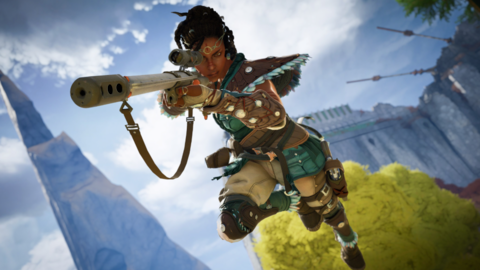
Highguard’s Meteoric Rise and Abrupt Fall: How a Promising Sci-Fi Shooter Crashed After Just 45 Days
In a stunning and heartbreaking turn of events, the sci-fi extraction shooter Highguard has announced it will shut down its servers on March 12, a mere 45 days after its launch. The news has sent shockwaves through the gaming community, leaving players and industry watchers alike grappling with the brutal realities of modern game development.
Developed by Wildlight, a studio led by industry veteran Chad Grenier—best known for his work on Apex Legends and Titanfall—Highguard was initially met with excitement. Its sleek visuals, fast-paced gameplay, and ambitious roadmap for Year 1 DLC had players hopeful for a long-term sci-fi shooter experience. But behind the scenes, the numbers simply didn’t add up.
The Harsh Reality: Not Enough Revenue to Survive
In a candid and somber post on social media, Grenier revealed the stark truth: Highguard was not generating enough revenue to keep the team employed. “Not enough revenue to keep anyone employed to work on it, unfortunately,” he wrote in response to questions about the previously announced Year 1 DLC plans.
This revelation has sparked intense debate across gaming forums, Twitter threads, and Discord servers. How could a game with such pedigree and potential fail so quickly? The answer, as many developers and analysts point out, lies in the brutal economics of the modern games industry.
The Dream That Never Was: Year 1 DLC Plans Scrapped
Before its launch, Highguard had unveiled an ambitious roadmap for its first year, promising new maps, weapons, and game modes to keep players engaged. This kind of post-launch support is now standard for live-service games, but it requires a steady stream of revenue to sustain. Unfortunately, Highguard simply couldn’t attract enough players or convert them into paying customers.
The decision to scrap the DLC plans and shut down the game entirely has been met with disappointment and frustration. Many players feel cheated, having invested time and money into a game that will soon vanish. Others see it as a cautionary tale about the risks of betting big on live-service titles in an oversaturated market.
A Studio’s Struggle: Wildlight’s Uphill Battle
Wildlight, the studio behind Highguard, was founded by Chad Grenier and a team of experienced developers with a vision to create innovative, player-focused games. However, the challenges they faced were immense. Launching a live-service game in today’s market requires not only a great product but also massive marketing budgets, ongoing support, and, crucially, a dedicated player base.
The gaming landscape is more competitive than ever, with giants like Call of Duty: Warzone, Fortnite, and Apex Legends dominating the market. For smaller studios, breaking through the noise is a Herculean task. Highguard may have had the talent and ambition, but it lacked the resources and reach to compete.
The Industry’s Harsh Reality: A Cautionary Tale
Highguard‘s closure is a stark reminder of the precarious nature of game development, especially for live-service titles. The cost of creating, maintaining, and updating a game is astronomical, and the pressure to generate revenue quickly is immense. For every Fortnite or Apex Legends that finds massive success, there are countless others that fail to gain traction.
This isn’t the first time a promising game has shut down shortly after launch. Titles like Battleborn, LawBreakers, and The Culling faced similar fates, often due to a combination of poor timing, lack of marketing, and an inability to stand out in a crowded market. Highguard joins this unfortunate list, but its story is particularly poignant given the pedigree of its development team.
What Went Wrong? A Deep Dive into Highguard’s Failure
Several factors likely contributed to Highguard‘s rapid downfall:
-
Market Saturation: The extraction shooter genre is crowded, with established titles like Escape from Tarkov and Hunt: Showdown already commanding loyal player bases.
-
Lack of Visibility: Despite Grenier’s reputation, Highguard struggled to gain traction in a market dominated by big-budget marketing campaigns.
-
Monetization Challenges: Live-service games rely heavily on microtransactions and battle passes to generate revenue. If players aren’t engaged or willing to spend, the game can’t sustain itself.
-
Timing: Launching a new game in the wake of major releases or during a busy season can make it difficult to attract attention.
-
Player Expectations: With so many high-quality games available, players have high standards. A new title needs to offer something truly unique to stand out.
The Human Cost: Developers Left in the Lurch
Beyond the business implications, Highguard‘s closure has a deeply human impact. The developers at Wildlight, many of whom are industry veterans, now face an uncertain future. Job losses in the gaming industry are unfortunately common, but they are no less devastating for those affected.
Grenier’s transparency about the studio’s financial struggles has been praised by some as a rare glimpse into the harsh realities of game development. Others have called for greater support for indie and mid-sized studios, who often lack the resources of their larger counterparts.
The Future of Live-Service Games: A Shifting Landscape
Highguard‘s failure raises important questions about the future of live-service games. Are they sustainable for smaller studios? Is the market becoming too saturated? And what can be done to support developers who take risks on innovative ideas?
Some industry experts argue that the live-service model is becoming increasingly unsustainable, especially for new entrants. Others believe that with the right combination of innovation, marketing, and community engagement, there is still room for success.
A Community in Mourning: Players React
The news of Highguard‘s shutdown has sparked an outpouring of emotion from its small but dedicated player base. Many have taken to social media to share their favorite memories of the game, while others have expressed frustration at the lack of communication from the developers in the weeks leading up to the announcement.
Some players have called for refunds, while others have urged the community to support the developers in their future endeavors. The closure of Highguard is a reminder of the fleeting nature of live-service games and the importance of cherishing the experiences they provide.
Lessons Learned: What Can Other Studios Take Away?
For other developers considering a live-service game, Highguard‘s story offers several lessons:
-
Plan for the Long Haul: Ensure you have the financial resources to support the game for at least a year post-launch.
-
Focus on Differentiation: Identify what makes your game unique and lean into it.
-
Build a Community Early: Engage with players before and during launch to build a loyal fanbase.
-
Be Realistic About Expectations: Understand the challenges of the market and set achievable goals.
-
Communicate Transparently: Keep players informed about the game’s progress and challenges.
The End of an Era: Highguard’s Legacy
While Highguard may not have had the longevity its creators hoped for, its legacy will live on in the lessons it provides. It serves as a reminder of the risks and rewards of game development, the importance of community, and the need for greater support for indie and mid-sized studios.
As the servers prepare to shut down on March 12, players and developers alike are left to reflect on what could have been. Highguard may have been short-lived, but its story will resonate in the gaming industry for years to come.
Tags & Viral Phrases:
-
HighguardShutdown
-
GameDevReality
-
LiveServiceStruggles
-
ChadGrenier
-
WildlightStudio
-
ApexLegendsLegacy
-
TitanfallDevs
-
ExtractionShooterFail
-
GamingIndustryTruths
-
45DaysOfHighguard
-
Year1DLCCancelled
-
NotEnoughRevenue
-
GameDevLife
-
IndieStudioStruggles
-
MarketSaturation
-
PlayerCommunity
-
GameOverForHighguard
-
BehindTheScenesGaming
-
FutureOfLiveService
-
SupportIndieDevs
-
GamingEconomics
-
ShortLivedSuccess
-
IndustryCautionaryTale
-
DevelopersLeftBehind
-
GameDevelopmentChallenges
-
HighguardLegacy
-
GamingCommunityMourns
-
LessonsFromHighguard
-
GameDevTransparency
-
LiveServiceModel
-
HighguardMemories
-
GamingIndustryInsights
-
SmallStudioStruggles
-
HighguardEnds
-
GameDevRealityCheck
-
HighguardDown
-
GamingIndustryTruth
-
HighguardClosure
-
GameDevChallenges
-
HighguardFail
-
GamingCommunityReaction
-
HighguardShutdownNews
-
GameDevStruggles
-
HighguardLegacyLives
-
GamingIndustryReality
-
HighguardDownfall
-
GameDevInsights
-
HighguardEndsSoon
-
GamingCommunitySupport
-
HighguardLessons
-
GameDevTransparencyMatters
-
HighguardStory
-
GamingIndustryChallenges
-
HighguardImpact
-
GameDevReflections
-
HighguardFinalDays
-
GamingCommunityVoices
-
HighguardFuture
-
GameDevAwareness
-
HighguardClosureNews
-
GamingIndustryAwareness
-
HighguardImpactful
-
GameDevCommunity
-
HighguardRemembered
-
GamingIndustrySupport
-
HighguardLessonsLearned
-
GameDevRealityCheck
-
HighguardLegacyContinues
-
GamingCommunityUnited
-
HighguardStoryTold
-
GameDevChallengesFaced
-
HighguardFinalChapter
-
GamingIndustryReflection
-
HighguardCommunity
-
GameDevInsightsShared
-
HighguardEndgame
-
GamingCommunityEmpathy
-
HighguardLegacyStrong
-
GameDevTransparencyNeeded
-
HighguardClosureImpact
-
GamingIndustrySupportNeeded
-
HighguardLessonsForDevs
-
GameDevRealityCheckNeeded
-
HighguardCommunityStrong
-
GamingIndustryAwarenessRaised
-
HighguardLegacyEndures
-
GameDevChallengesAcknowledged
-
HighguardFinalGoodbye
-
GamingCommunityReflection
-
HighguardStoryContinues
-
GameDevInsightsValuable
-
HighguardClosureLessons
-
GamingIndustrySupportCritical
-
HighguardLegacyInspires
-
GameDevRealityCheckImportant
-
HighguardCommunityUnited
-
GamingIndustryAwarenessCritical
-
HighguardLegacyLasting
-
GameDevChallengesReal
-
HighguardFinalThoughts
-
GamingCommunitySupportVital
-
HighguardLegacyMeaningful
-
GameDevTransparencyEssential
-
HighguardClosureReflection
-
GamingIndustrySupportEssential
-
HighguardLessonsVital
-
GameDevRealityCheckVital
-
HighguardCommunityStrong
-
GamingIndustryAwarenessVital
-
HighguardLegacyEnduring
-
GameDevChallengesAcknowledged
-
HighguardFinalGoodbye
-
GamingCommunityReflection
-
HighguardStoryContinues
-
GameDevInsightsValuable
-
HighguardClosureLessons
-
GamingIndustrySupportCritical
-
HighguardLegacyInspires
-
GameDevRealityCheckImportant
-
HighguardCommunityUnited
-
GamingIndustryAwarenessCritical
-
HighguardLegacyLasting
-
GameDevChallengesReal
-
HighguardFinalThoughts
-
GamingCommunitySupportVital
-
HighguardLegacyMeaningful
-
GameDevTransparencyEssential
-
HighguardClosureReflection
-
GamingIndustrySupportEssential
-
HighguardLessonsVital
-
GameDevRealityCheckVital
,


Leave a Reply
Want to join the discussion?Feel free to contribute!