
Tech Life – Quantum computers are coming – do we need ethical guidelines?
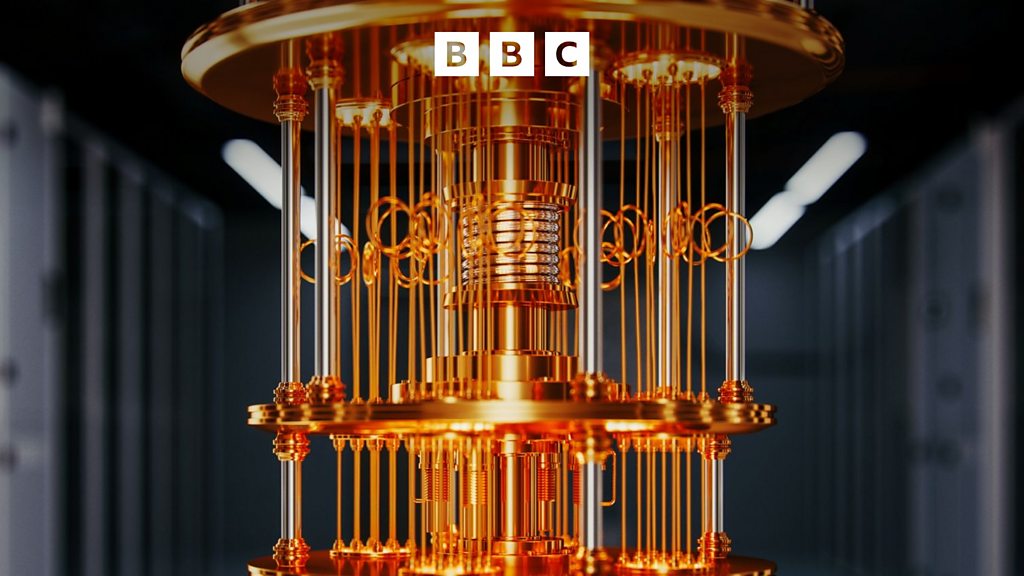
Quantum Computing’s Ethical Crossroads: Are We Ready for the Revolution?
In a world where technological advancements are accelerating at breakneck speed, one innovation stands poised to redefine the very fabric of computing: quantum computing. For over a year now, quantum computers have been available, tantalizing researchers and tech enthusiasts alike with the promise of revolutionary discoveries. But as we stand on the precipice of this new era, a pressing question emerges: do we need ethical guidelines to govern the use of these powerful machines?
The potential of quantum computing is nothing short of mind-boggling. Unlike classical computers, which use bits to process information in a binary format (0s and 1s), quantum computers leverage the principles of quantum mechanics to use quantum bits, or qubits. This allows them to perform complex calculations at speeds that would make even the most advanced supercomputers blush. From simulating molecular structures for drug discovery to optimizing complex financial models, the applications are vast and varied.
However, with great power comes great responsibility. The same capabilities that make quantum computers so promising also raise significant ethical concerns. For instance, quantum computers could potentially break many of the encryption methods currently used to secure our digital world. This has far-reaching implications for everything from personal privacy to national security. As we hurtle towards a quantum future, it’s crucial that we start thinking about how to ethically harness this technology.
In a recent BBC program, host Chris Vallance and producer Tom Quinn delved into these very issues. They explored not only the ethical quandaries surrounding quantum computing but also other cutting-edge technologies that are shaping our future. One particularly fascinating topic was the development of glass-based data storage. Imagine being able to store vast amounts of information on a piece of glass that could last for thousands of years. This technology, known as 5D data storage, uses femtosecond laser writing to encode data in multiple layers within a piece of quartz glass. It’s a game-changer for long-term archival storage, potentially preserving our digital heritage for future generations.
But the conversation didn’t stop there. The program also ventured into the realm of science fiction to explore what our spacefaring future might look like. Science fiction has long been a source of inspiration for real-world technological advancements, from the communicators in Star Trek that inspired flip phones to the virtual reality worlds of Ready Player One that are becoming increasingly plausible. By examining the visions of science fiction authors and filmmakers, we can gain insights into the challenges and opportunities that await us as we venture further into space.
As we grapple with these complex issues, it’s clear that the intersection of technology, ethics, and society is more critical than ever. The development of quantum computing, long-term data storage solutions, and our aspirations for space exploration are all part of a larger narrative about how we use technology to shape our future. It’s a narrative that requires us to think deeply about the implications of our innovations and to consider how we can harness them for the greater good.
The journey into the quantum realm is just beginning, and it promises to be a wild ride. As we continue to push the boundaries of what’s possible, we must also push the boundaries of our ethical frameworks. Only by doing so can we ensure that the quantum revolution benefits all of humanity, rather than creating new divides or exacerbating existing ones.
In conclusion, the advent of quantum computing and other advanced technologies presents us with both incredible opportunities and significant challenges. As we stand on the brink of these new frontiers, it’s crucial that we approach them with a balanced perspective – one that embraces innovation while also considering the ethical implications of our actions. The future is quantum, and it’s up to us to shape it responsibly.
Tags: quantum computing, ethics, technology, innovation, data storage, space exploration, science fiction, future tech, qubits, encryption, 5D data storage, femtosecond laser writing, digital heritage, technological revolution, ethical guidelines, quantum mechanics, supercomputing, molecular simulation, financial modeling, privacy, national security, long-term storage, archival storage, virtual reality, spacefaring, technological advancement, digital world, quantum future, responsible innovation
Viral Phrases:
– “Quantum leap in computing”
– “The ethical dilemma of quantum supremacy”
– “Glass storage: Data that lasts millennia”
– “Sci-fi to sci-fact: Our spacefaring dreams”
– “Qubits: The building blocks of tomorrow”
– “Encryption apocalypse: Are we ready?”
– “Quantum computing: Revolution or risk?”
– “The final frontier of data storage”
– “From fiction to function: Space tech evolution”
– “Ethical quantum: Navigating the new normal”
– “The quantum conundrum: Power vs. responsibility”
– “Glass data: Preserving the past, securing the future”
– “Cosmic computing: Where quantum meets the stars”
– “The quantum question: To compute or not to compute?”
– “Data immortality: The glass storage breakthrough”
– “Quantum ethics: The moral maze of supercomputing”
– “Spacefaring society: A quantum leap for mankind”
– “The qubit quandary: Balancing innovation and integrity”
– “Glass archives: Humanity’s digital time capsule”
– “Quantum revolution: Are you ready for the change?”,


Leave a Reply
Want to join the discussion?Feel free to contribute!