
Why The FBI Is Telling People Not To Scan QR Codes On Mystery Packages Left At Doorsteps
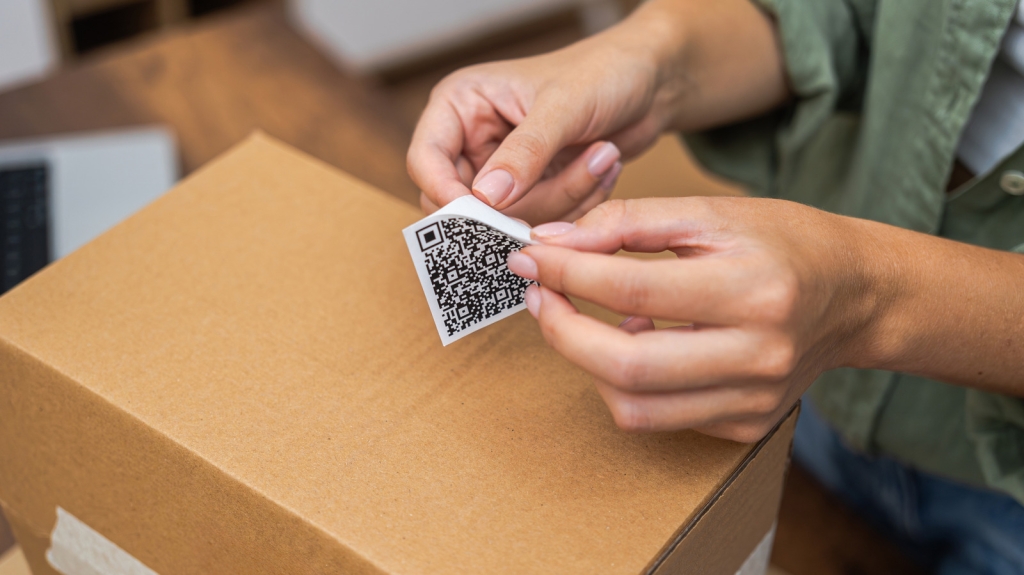
FBI Warns: Don’t Scan QR Codes on Mystery Packages Left at Your Doorstep
In a chilling new twist on online scams, the FBI has issued a stark warning about a rising fraud scheme involving unsolicited packages left on unsuspecting doorsteps. These mystery boxes, often devoid of return addresses or sender information, contain nothing more than a single QR code and a note urging recipients to scan it to discover who sent them a “gift.” But behind this seemingly innocent gesture lies a sophisticated trap designed to steal your personal information, drain your bank accounts, or infect your devices with malware.
The FBI’s July 2025 public service announcement highlights how criminals are exploiting the ubiquity of QR codes to carry out their schemes. Unlike traditional phishing attempts, QR codes obscure their true destination until after they’re scanned, making them a particularly insidious tool for scammers. “It makes you curious, so you want to scan it—and that’s exactly what scammers are banking on,” the FBI warns.
This new scam is a modern evolution of the “brushing” scam, where online sellers ship cheap products to random addresses to post fake reviews under the recipient’s name. However, the QR code angle takes the deception to a whole new level. Instead of boosting product ratings, these packages are designed to initiate straight-up fraud. The U.S. Postal Inspection Service has long warned about brushing scams, but the FBI’s alert underscores the growing sophistication of these schemes.
The FBI isn’t alone in sounding the alarm. Canadian authorities in Red Deer, Alberta, flagged similar QR code scams as far back as August 2024, citing an example where someone received a package of luxury goods with a note directing them to scan an attached code. This global reach highlights the urgency of the issue.
Why It’s So Convincing
The effectiveness of this scam lies in how seamlessly QR codes have integrated into our daily lives. Unlike a suspicious link in a text message, a QR code feels familiar and safe. In fact, 66% of people have scanned a QR code to make a purchase at some point, according to Malwarebytes. This routine behavior is precisely what scammers exploit.
Adding to the danger, criminals are already sticking QR codes on parking meters for nefarious purposes. The FBI’s warning serves as a reminder that not all QR codes are created equal, and a moment of curiosity could lead to devastating consequences.
What to Do If You Receive One
If you find a mystery package on your doorstep, the FBI’s advice is simple: Don’t scan it. But if you’ve already given in to the temptation, act quickly. Change your passwords immediately, enable two-factor authentication on all your accounts, and monitor your credit report for any suspicious activity. The Federal Trade Commission (FTC) recommends grabbing your free credit report at AnnualCreditReport.com to stay vigilant.
If you suspect you’ve fallen victim to this scam, report it to the FBI’s Internet Crime Complaint Center (IC3.gov). For those 60 or older, the DOJ Elder Justice Hotline at 833-372-8311 can provide assistance with filing a complaint.
As for the package itself, you can legally keep it. But the QR code inside should go straight into the bin—where it belongs.
Tags & Viral Phrases:
FBI warning, QR code scam, mystery packages, phishing fraud, brushing scam, malware attack, cybersecurity alert, unsolicited packages, fraud schemes, digital safety, two-factor authentication, credit report monitoring, IC3 complaint, elder justice hotline, parking meter QR codes, online scams, personal data theft, banking details stolen, luxury goods scam, Red Deer Alberta, Malwarebytes report, FTC advice, AnnualCreditReport, DOJ hotline, cybercrime prevention, digital deception, QR code dangers, online fraud evolution, unsolicited gifts, tech security tips, scam awareness, phishing website, device malware, fake reviews, online seller fraud, U.S. Postal Inspection Service, digital trust, scam detection, fraud prevention, online safety, tech warnings, cybersecurity tips, digital vigilance, scam protection, online security, QR code fraud, mystery box scam, phishing alert, fraud warning, cybersecurity breach, online scam, digital fraud, scam prevention, tech alert, online safety tips, QR code phishing, fraud detection, cybersecurity advice, scam awareness, online fraud prevention, digital safety tips, tech security, online scam alert, QR code warning, fraud alert, cybersecurity warning, online safety, scam protection tips, digital security, online fraud alert, QR code scam alert, fraud prevention tips, cybersecurity tips, online safety advice, scam awareness tips, digital security tips, online fraud prevention tips, QR code safety, fraud awareness, cybersecurity advice, online safety tips, scam prevention tips, digital security advice, online fraud tips, QR code safety tips, fraud prevention advice, cybersecurity tips, online safety advice, scam awareness tips, digital security tips, online fraud prevention tips, QR code safety, fraud awareness, cybersecurity advice, online safety tips, scam prevention tips, digital security advice, online fraud tips, QR code safety tips, fraud prevention advice.
,


Leave a Reply
Want to join the discussion?Feel free to contribute!