
Tech industry is in tariff hell, even if refunds are automated
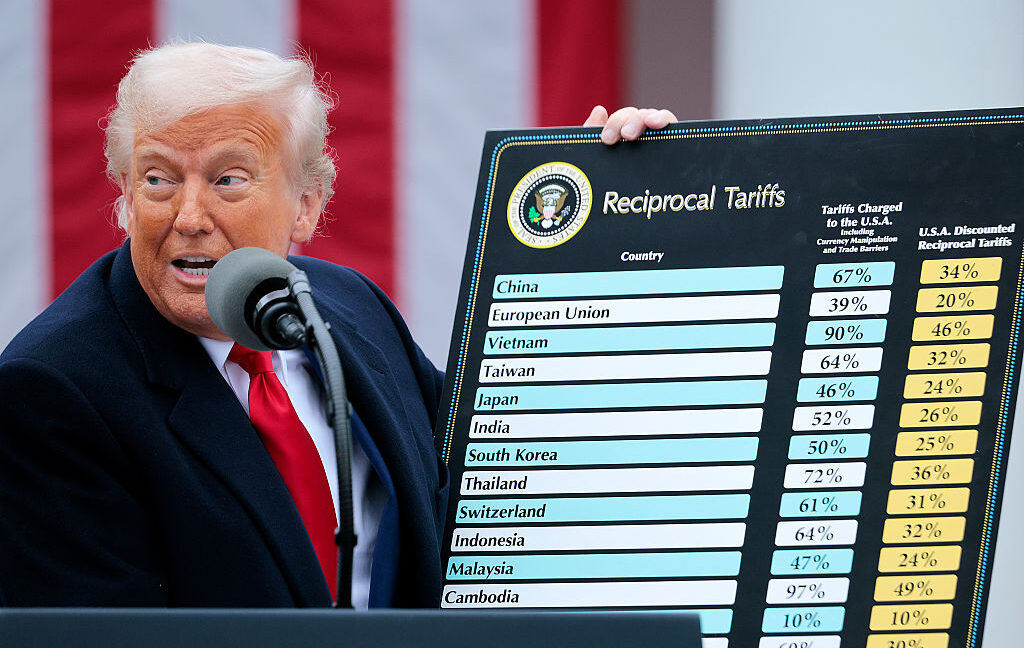
Tech Industry Braces for Tariff Turmoil as Court Rulings and Political Pressure Mount
In a rapidly shifting landscape of trade policy and economic uncertainty, the U.S. technology sector finds itself once again caught in the crossfire of escalating tariff threats and legal challenges. What began as a bold move to reshape global trade under the Trump administration has now evolved into a complex web of legal battles, political maneuvering, and industry anxiety—leaving tech companies scrambling to plan for an unpredictable future.
The Tariff Rollercoaster: What’s Happening Now?
Just when the tech industry thought it had a handle on the latest round of tariffs, Treasury Secretary Scott Bessent dropped a bombshell. In a statement that sent shockwaves through boardrooms and stock markets alike, Bessent indicated that Section 122 tariffs—already a point of contention—could be raised by an additional 15 percent as early as this week, according to The New York Times. This potential hike comes on top of existing tariffs that have already strained supply chains and squeezed profit margins for hardware manufacturers, semiconductor firms, and consumer electronics brands.
The timing is particularly troubling. Many companies had begun to see a glimmer of hope after recent court rulings challenged the legality of certain tariffs, only to have that optimism dashed by the prospect of even higher costs. If Bessent’s warning comes to fruition, tech firms could soon be paying tariffs at levels comparable to those imposed under Trump’s controversial IEEPA (International Emergency Economic Powers Act) tariffs—measures that were previously struck down by federal courts.
Political Backlash: Tariffs Lose Favor Even Among Allies
Despite the administration’s tough stance, Trump’s tariff policies are facing mounting opposition—not just from Democrats and trade experts, but from within his own party. Republicans, many of whom are eyeing the upcoming midterm elections, are increasingly wary of the economic fallout from aggressive trade barriers. Both industry analysts and political insiders agree that Trump may be forced to adopt a more measured approach as election season approaches.
One key factor is the lack of congressional appetite for further tariff expansion. With lawmakers focused on their own reelection campaigns, there is little political will to support additional trade restrictions that could alienate voters already feeling the pinch of inflation and rising consumer prices. As a result, any significant changes to tariff policy are likely to come through executive orders rather than legislation—a move that could further polarize the debate and invite additional legal challenges.
A Glimmer of Hope? Courts and Critics Gain Momentum
The recent wave of court rulings against Trump’s tariffs has injected a dose of optimism into the tech sector. Industry leaders see these decisions as a potential turning point, offering a rare opportunity for the administration to reassess its trade strategy. According to Gary Shapiro, president and CEO of the Consumer Technology Association (CTA), the back-to-back legal defeats should serve as a wake-up call for policymakers.
“This is a golden opportunity for them to reassess whether they want to impose more tariffs,” Shapiro told Ars Technica. “If you impose more tariffs, you create more chaos, you create more uncertainty, and you raise costs again.” His comments reflect a growing consensus among tech executives that the current tariff regime is doing more harm than good—failing to achieve its stated goal of boosting domestic manufacturing while simultaneously undermining the competitiveness of American tech firms.
Legal Battles Escalate: States Take the Fight to Court
The Supreme Court’s recent ruling has not only emboldened industry critics but also galvanized state governments to take action. In a bold move, 20 states have filed a lawsuit challenging the administration’s use of Section 122 authority to impose tariffs. The states argue that the executive branch has overstepped its constitutional bounds, usurping the power of Congress to regulate international trade.
This legal challenge could have far-reaching implications. If successful, it would effectively strip the administration of one of its primary tools for imposing tariffs—a development that could dramatically alter the trajectory of U.S. trade policy. However, the administration remains defiant, with both Trump and Bessent downplaying the significance of the court’s decision and insisting that alternative tariff mechanisms are available.
The Tariff Toolbox: What’s Next for Tech?
Even if Section 122 tariffs are eventually blocked, experts warn that the administration has other avenues to pursue its protectionist agenda. Two particularly concerning provisions are Section 232 of the Trade Expansion Act and Section 301 of the Trade Act of 1974. These statutes grant the executive branch broad authority to impose tariffs on a wide range of products, including semiconductors, critical minerals, and any downstream goods that incorporate them.
For the tech industry, this is a nightmare scenario. Semiconductors are the backbone of modern electronics, and any disruption to their supply chain could have cascading effects across the entire sector. Similarly, tariffs on critical minerals—many of which are sourced from overseas—could drive up costs for everything from smartphones to electric vehicles. The uncertainty surrounding these potential measures is already taking a toll, with many companies hesitant to make long-term investments or commit to new product launches.
The Human Cost: How Tariffs Are Impacting Innovation
Beyond the macroeconomic implications, the tariff saga is having a very real impact on the people who drive the tech industry forward. Startups, in particular, are feeling the squeeze. With limited cash reserves and razor-thin margins, many young companies are struggling to absorb the added costs of tariffs. Some have been forced to delay product launches, scale back hiring, or even shutter operations altogether.
Established firms are not immune either. Giants like Apple, which rely on complex global supply chains, are facing tough choices about where and how to manufacture their products. Trump’s recent threat to impose a 25 percent tariff on iPhones unless Apple moves production to the U.S. is a stark reminder of the leverage tariffs can provide—and the risks they pose to innovation and competitiveness.
Looking Ahead: What Can the Tech Industry Do?
As the tariff debate rages on, the tech sector is left grappling with a fundamental question: How can it navigate an environment of such profound uncertainty? Industry leaders are calling for a more collaborative approach, urging policymakers to work with businesses to develop trade policies that balance national security concerns with the need for economic growth and innovation.
In the meantime, companies are exploring a range of strategies to mitigate the impact of tariffs. Some are diversifying their supply chains, seeking alternative sources for critical components. Others are investing in automation and domestic manufacturing, hoping to reduce their reliance on overseas suppliers. Still, others are lobbying Congress and the courts, hoping to secure relief through legislative or legal means.
Conclusion: A Crossroads for U.S. Trade Policy
The current state of affairs represents a critical juncture for U.S. trade policy. With the tech industry at the forefront of the debate, the decisions made in the coming months will have far-reaching consequences—not just for businesses, but for consumers, workers, and the broader economy. As the administration weighs its next move, one thing is clear: the era of unchecked tariff expansion may be coming to an end, but the road to a more stable and predictable trade environment is likely to be long and fraught with challenges.
For now, the tech sector can only watch, wait, and hope that reason will prevail—before the next round of tariffs lands on their doorstep.
Tags:
tariffs, tech industry, trade policy, Section 122, IEEPA, Scott Bessent, Trump administration, legal challenges, Supreme Court, semiconductors, supply chains, inflation, midterm elections, Consumer Technology Association, Gary Shapiro, Section 232, Section 301, critical minerals, innovation, startups, Apple, iPhone, manufacturing, executive orders, Congress, states lawsuit, economic uncertainty, protectionism, global trade, domestic production, automation, diversification, lobbying, policy reform
Viral Sentences:
- “Treasury Secretary Scott Bessent just dropped a bombshell: Section 122 tariffs could jump another 15% this week!”
- “Trump’s tariffs are so unpopular, even Republicans are pushing back ahead of the midterms.”
- “Court rulings against Trump’s tariffs are giving the tech industry a rare glimmer of hope.”
- “20 states are now suing Trump to block his next wave of tariff authority—this could change everything.”
- “Semiconductors and critical minerals could be next on the tariff hit list. Is your tech safe?”
- “Startups are feeling the squeeze: some are delaying launches, others are shutting down entirely.”
- “Apple faces a 25% tariff threat unless it moves iPhone production to the U.S.—will it make the leap?”
- “The era of unchecked tariff expansion may be ending, but the road ahead is still uncertain.”
,

Leave a Reply
Want to join the discussion?Feel free to contribute!