
City Detect, which uses AI to help cities stay safe and clean, raises $13M Series A
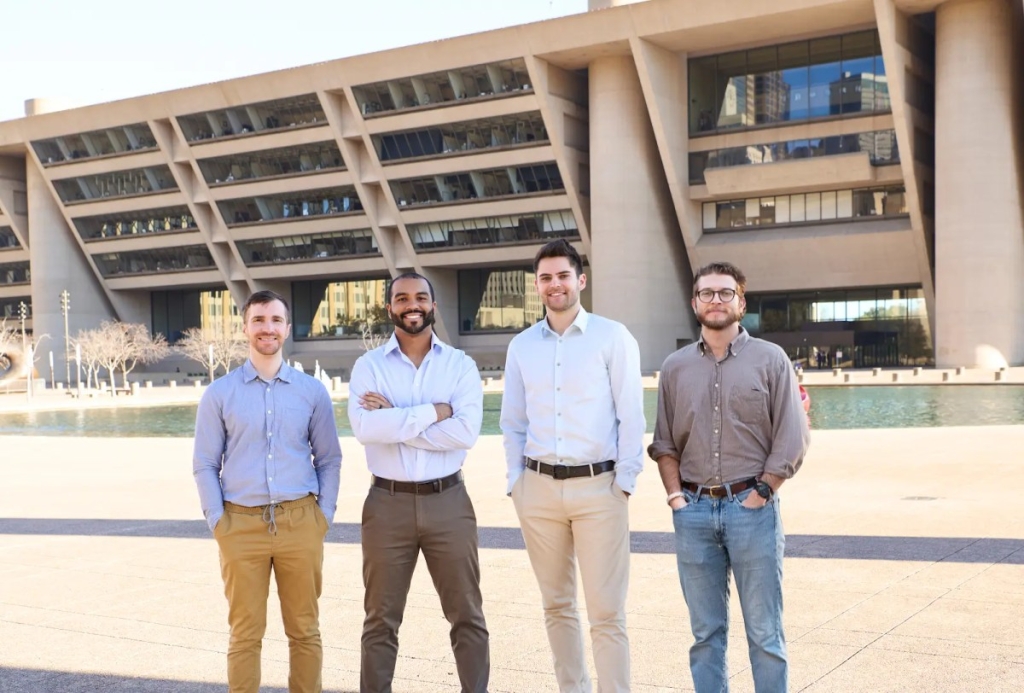
City Detect Raises $13 Million to Revolutionize Urban Blight Detection with AI-Powered Vision Technology
In a groundbreaking move that could reshape how cities tackle urban decay, City Detect has secured $13 million in Series A funding to expand its AI-driven solution for monitoring building health and neighborhood conditions. The round, led by Prudence Venture Capital, brings the company’s total funding to $15 million and signals strong investor confidence in the intersection of artificial intelligence and municipal governance.
Founded in 2021, City Detect emerged from a pressing urban challenge: cities across America were struggling to combat the twin specters of urban blight and decay. As buildings deteriorated, graffiti spread, and illegal dumping became rampant, local governments found themselves overwhelmed by the sheer scale of maintenance required to keep neighborhoods livable.
Gavin Baum-Blake, the company’s CEO and remaining co-founder, recognized that traditional approaches to urban monitoring were woefully inadequate for modern cities. “The problems could be graffiti, illegal dumping, litter that’s on the side of the road,” Baum-Blake explained to TechCrunch, highlighting the multifaceted nature of urban deterioration that cities face daily.
City Detect’s solution is elegantly simple yet technologically sophisticated. The company mounts high-resolution cameras on public vehicles—garbage trucks, street sweepers, and other municipal fleet vehicles—that already traverse city streets daily. As these vehicles move through neighborhoods, they capture thousands of images of surrounding buildings and infrastructure. This creates what Baum-Blake describes as a “Google Maps Street View, but focused on ensuring buildings are up to code.”
The real magic happens in the AI processing layer. City Detect’s computer vision algorithms analyze each captured image, identifying potential violations, structural issues, and maintenance needs with remarkable precision. The system can distinguish between legitimate street art and vandalism, detect storm damage, identify structural roof issues, and flag properties where landlords may be neglecting their maintenance responsibilities.
This technological approach addresses a critical bottleneck in urban maintenance. Traditional methods rely on manual inspections, where human inspectors might visit 50 properties per week—a pace that simply cannot keep up with the scale of urban decay in many cities. City Detect’s AI-powered system can process thousands of properties weekly, providing city officials with comprehensive, up-to-date information about their entire urban landscape.
Privacy considerations are paramount in City Detect’s design. The system automatically blurs faces and license plates in all captured images, ensuring compliance with privacy regulations while still providing valuable data about building conditions. This thoughtful approach to privacy has helped the company gain trust with municipal partners who might otherwise be hesitant about widespread surveillance.
The company’s impact is already visible across at least 17 cities, with active partnerships in major metropolitan areas including Dallas and Miami. These early adopters have reported significant efficiency gains, with departments able to address blight issues more quickly and effectively than ever before. Perhaps most importantly, the data shows that many problems are being resolved without the need for citations, suggesting that early detection and intervention can prevent issues from escalating.
City Detect’s commitment to responsible AI deployment sets it apart in the municipal technology space. The company published its own Responsible AI policy in response to government requests for clarity on vendor commitments. This policy, combined with SOC 2 Type II compliance (an independent certification for privacy and security standards), demonstrates City Detect’s understanding that trust is essential when working with public institutions.
The timing of this funding round is particularly significant given the broader context of AI adoption in government services. City Detect is a member of the GovAI Coalition, an AI governance collective that brings together technology providers and government agencies to establish best practices for AI deployment in the public sector. This membership positions City Detect at the forefront of responsible AI governance in municipal applications.
The new funding will fuel several strategic initiatives. First, City Detect plans to expand its engineering team, accelerating the development of its storm-damage detection technology—a particularly valuable capability as climate change increases the frequency and severity of extreme weather events. Second, the company aims to expand its geographic footprint throughout the United States, bringing its solution to more cities grappling with urban maintenance challenges.
The investors participating in this round reflect confidence in City Detect’s approach. Alongside Prudence Venture Capital, Zeal Capital Partners, Knoll Ventures, and Las Olas Venture Capital have all committed to supporting the company’s growth. This diverse investor base suggests broad appeal for City Detect’s solution across different market segments and geographic regions.
Looking ahead, Baum-Blake sees enormous potential for predictive AI applications in urban management. “We are seeing huge efficiency gains across the departments that we work with,” he noted, emphasizing the transformative impact of data-driven approaches to municipal services. The ability to predict where problems might occur before they become severe could revolutionize how cities allocate their maintenance resources.
The implications of City Detect’s technology extend beyond simple property maintenance. By providing cities with comprehensive, real-time data about neighborhood conditions, the platform enables more informed decision-making about resource allocation, urban planning, and community investment. This data-driven approach to urban management represents a significant shift from reactive to proactive governance.
As cities continue to face budget constraints while dealing with aging infrastructure and growing populations, solutions like City Detect’s become increasingly valuable. The company’s ability to help municipalities do more with less—identifying problems early, prioritizing interventions, and measuring the impact of maintenance efforts—addresses fundamental challenges in urban governance.
The success of City Detect also highlights a broader trend in the application of AI to public sector challenges. As governments become more comfortable with technology adoption, companies that can navigate the complex landscape of public procurement, privacy regulations, and civic responsibility while delivering tangible value are well-positioned for growth.
With this new funding, City Detect is poised to expand its impact, bringing AI-powered urban monitoring to more cities and potentially redefining how communities maintain their physical environments. The company’s journey from addressing a specific urban challenge to becoming a leader in responsible AI deployment for municipal services offers a compelling blueprint for technology companies seeking to make a meaningful impact in the public sector.
Tags:
AI-powered urban monitoring, computer vision for cities, urban blight detection, municipal AI solutions, building health monitoring, responsible AI governance, predictive maintenance for cities, smart city technology, urban decay solutions, AI for public services, municipal fleet optimization, building code enforcement, storm damage detection, graffiti identification, illegal dumping monitoring, privacy-preserving AI, GovAI Coalition, SOC 2 compliant AI, urban planning technology, data-driven city management
Viral Sentences:
- AI is now watching over our cities, but in a way that respects our privacy
- The future of urban maintenance is here, and it’s riding on garbage trucks
- Cities are getting smarter, one AI-powered camera at a time
- This startup is teaching AI to tell the difference between street art and vandalism
- $13 million says AI is the answer to urban blight
- The Google Street View for building inspectors is changing how cities work
- Privacy-first AI is helping cities clean up their act
- From 50 properties per week to thousands—AI is revolutionizing urban inspection
- Cities are finally getting the tools they need to fight decay
- This is what happens when you combine computer vision with municipal services
- The AI that’s making cities cleaner, safer, and more efficient
- Storm damage detection is getting an AI upgrade
- Landlords beware: AI is watching your property maintenance
- The future of urban planning is data-driven and AI-powered
- This startup proves that technology can make our cities better places to live
,

Leave a Reply
Want to join the discussion?Feel free to contribute!