
The Complicated Truth About The Price Of 3D Printing Houses
The Complicated Truth About The Price Of 3D Printing Houses
The Future Of Construction: 3D Printed Homes
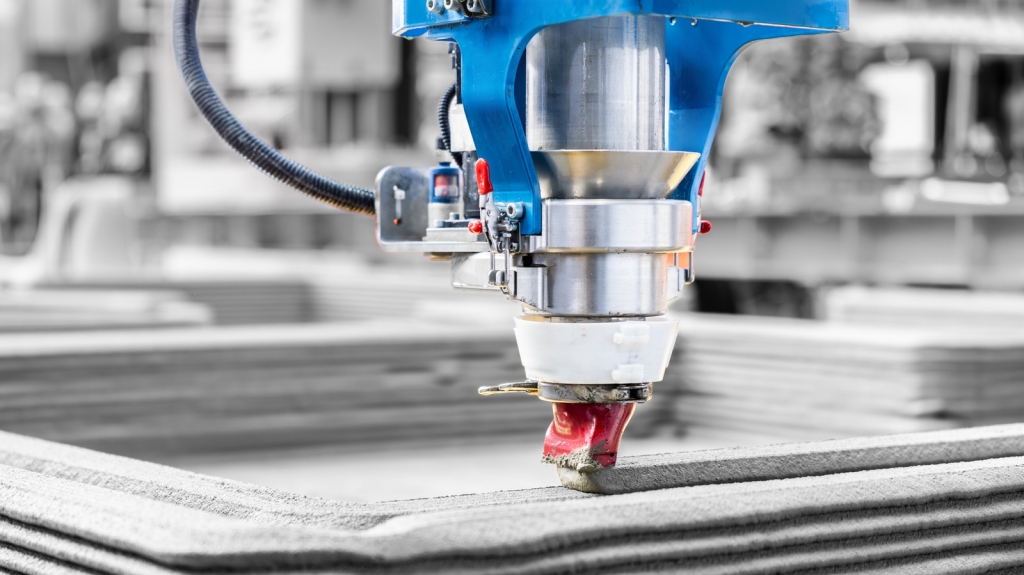
The concept of 3D printing an entire house sounds like science fiction—a massive robotic arm methodically extruding concrete layer by layer to create a home from scratch. Yet this futuristic technology isn’t confined to movies or video games; it’s already being deployed in real residential construction projects across America.
Take 4Dify, a California-based company that’s building what they claim is America’s first 3D printed neighborhood in Yuba County. Using a colossal concrete printer, they’re constructing five homes of approximately 1,000 square feet each. One of these homes is already listed for sale below the regional average price, positioning it as an early case study in the potential for affordable housing construction.
However, before we celebrate 3D printing as the solution to the housing crisis, there are crucial details to consider. While the initial price tag of a 3D printed home might seem attractive compared to traditional construction, the reality is more nuanced—and potentially disappointing for those hoping for dramatically cheaper housing.
The Hidden Cost Per Square Foot
At first glance, 4Dify’s $375,000 price point for their 3D-printed home appears to be a solid deal, especially since Yuba County’s average home price hovers around $450,000. But this comparison is misleading due to a critical factor: size.
That $375,000 gets you approximately 1,000 square feet of living space, which translates to roughly $375 per square foot. Meanwhile, traditional homes in the area cost about $268 per square foot. In other words, you’re paying significantly more for each square foot of 3D-printed construction.
The technology, despite considerable advancement, remains in its infancy. The equipment investment alone is staggering—each printer used by 4Dify costs approximately $1.5 million. Furthermore, 3D printing can only handle the structural walls; everything else—plumbing, electrical wiring, finishes, and fixtures—still requires traditional labor and materials, which are expensive components of any home.
Even at larger scales, the cost advantages aren’t materializing as promised. ICON, another major player in this space, developed Wolf Ranch in Georgetown, Texas—the world’s largest community of 3D-printed homes with 100 houses. Yet these homes are listed between $450,000 and $600,000, showing that 3D printing isn’t delivering the dramatic cost reductions the industry has suggested.
Why 3D Printed Homes Cost More (For Now)
Several factors contribute to the current premium pricing of 3D-printed homes:
Equipment and Technology Costs: The specialized concrete printers represent a massive upfront investment that must be amortized across projects. These machines aren’t mass-produced consumer items but rather custom-built industrial equipment.
Limited Automation: While the walls are 3D printed, the technology can’t handle plumbing, electrical systems, roofing, windows, or interior finishes. This means traditional construction crews are still needed for significant portions of the build.
Learning Curve and Inefficiency: Early adopters face longer construction times as teams learn to optimize the printing process. 4Dify’s first home took over 24 days to complete, though they expect future projects to take only 10 days as they refine their process.
Regulatory Hurdles: Many local governments are still updating building codes to account for 3D-printed structures. This can slow approvals and increase project expenses through delays and additional compliance requirements.
Insurance Uncertainty: Insurance companies are still determining how to assess and underwrite these newer types of structures, which can add costs and complexity to the process.
The Promise of Future Cost Reductions
Despite current pricing challenges, the trajectory for 3D-printed homes is promising. As the technology matures, several factors should drive costs down:
Increased Printing Speed: The world’s largest 3D printer can now produce a house in under 80 hours. As printing speeds increase and construction times decrease, labor costs will fall proportionally.
Improved Material Efficiency: 3D printing reduces waste by using only the concrete necessary for each structure, potentially lowering material costs over time.
Technological Refinements: As printers become more sophisticated and reliable, maintenance costs will decrease, and operational efficiency will improve.
Scale Economies: As more companies enter the market and competition increases, equipment costs should decline, making the technology accessible to more builders.
Long-Term Value Beyond Initial Cost
Even if 3D-printed homes don’t immediately solve affordability issues, they offer other compelling advantages that could justify their current premium:
Enhanced Durability: Researchers have already developed ways to 3D print concrete that’s stronger and more durable than traditional poured concrete. These structures resist fire, mold, and other environmental hazards better than conventional construction.
Reduced Maintenance Costs: The inherent properties of 3D-printed concrete—resistance to cracking, moisture intrusion, and pest damage—could translate to lower maintenance expenses over the home’s lifetime.
Design Flexibility: 3D printing enables complex architectural designs that would be prohibitively expensive with traditional construction methods. Curved walls, custom shapes, and integrated features become feasible and cost-effective.
Sustainability Benefits: The technology typically uses less concrete than traditional methods, reducing the carbon footprint of construction. Some companies are also experimenting with recycled materials and eco-friendly concrete mixes.
The Road Ahead
The current state of 3D-printed housing reveals an important truth about emerging technologies: they rarely deliver on their most optimistic promises immediately. While 3D printing won’t solve the housing crisis overnight, it represents a significant step forward in construction methodology.
As the technology continues to evolve, costs should decrease while benefits increase. The homes being built today serve as crucial learning experiences that will inform more efficient, affordable construction methods tomorrow. For now, 3D-printed homes offer a glimpse into a future where construction is faster, more sustainable, and more adaptable—even if that future still comes with a premium price tag.
The revolution in housing construction is underway, but like most revolutions, it’s happening more gradually than enthusiasts initially predicted. The question isn’t whether 3D printing will transform home building, but rather how quickly it will reach the cost-effectiveness that makes it accessible to the average homebuyer.
Tags: #3DPrinting #HousingCrisis #ConstructionTech #FutureOfHousing #AffordableHousing #ConstructionInnovation #TechTrends #SmartCities #SustainableBuilding #HomeBuilding #ConstructionRevolution #EmergingTech #HousingAffordability #BuildingTechnology #ConstructionIndustry #TechNews #ViralTech #TrendingNow #FutureTech #ConstructionInnovation
Viral Phrases: “The future is here—but it costs more than you think”, “3D printed homes: cheaper housing or expensive hype?”, “Why your robot-built house costs more per square foot”, “The housing revolution that isn’t quite revolutionary (yet)”, “Construction’s dirty little secret: 3D printing doesn’t save money (yet)”, “When ‘revolutionary’ technology costs a premium”, “The complicated math behind printed homes”, “Why building a house with robots costs more than traditional methods”, “The technology that promised cheap homes but delivered expensive ones”, “How 3D printing is changing construction—but not prices (yet)”
,


Leave a Reply
Want to join the discussion?Feel free to contribute!