
Exercise Protects Against Alzheimer’s, And Scientists May Finally Know Why : ScienceAlert
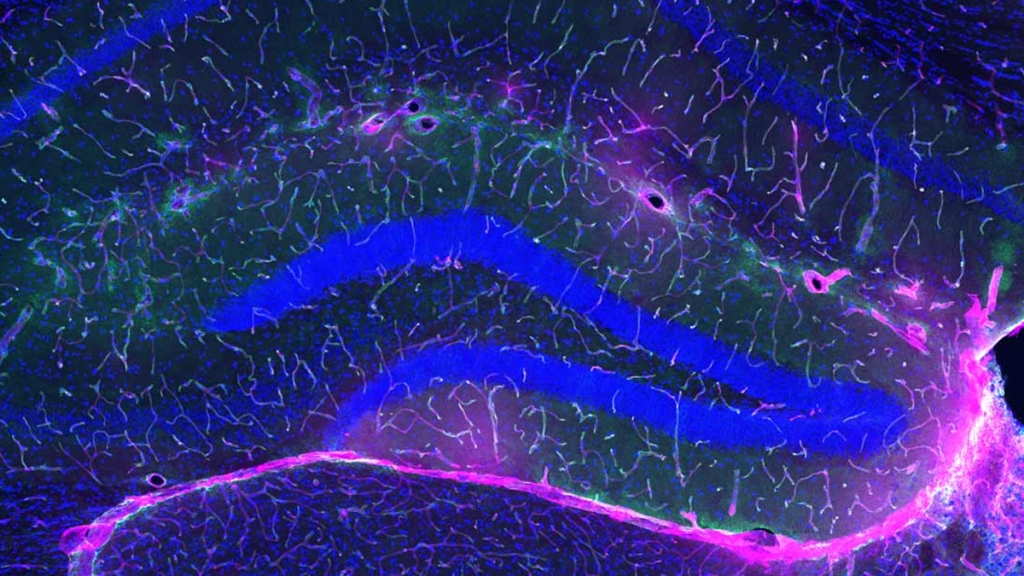
Breakthrough Discovery: Exercise’s Hidden Brain Shield Against Alzheimer’s Finally Revealed
In a landmark study that could reshape our understanding of brain health, scientists have uncovered the precise molecular mechanism by which physical activity protects our brains from Alzheimer’s disease and cognitive decline.
For years, researchers knew that exercise reduced Alzheimer’s risk, but the specific biological pathways remained elusive. Now, a team from the University of California, San Francisco has identified a remarkable cascade of events that transforms your daily walk or gym session into a powerful defense system for your brain.
The story begins with a protein called GPLD1 (glycosylphosphatidylinositol-specific phospholipase D1), which increases in your bloodstream when you exercise. This protein acts like a molecular gardener, carefully pruning away an enzyme called TNAP (tissue-nonspecific alkaline phosphatase) that, over time, accumulates in the cells of your blood-brain barrier.
Think of the blood-brain barrier as a highly selective security checkpoint that keeps harmful substances out of your brain while allowing essential nutrients to pass through. When TNAP builds up, it compromises this barrier’s integrity, making it more permeable and vulnerable to inflammation—a key driver of cognitive decline and Alzheimer’s disease.
The UCSF researchers discovered that GPLD1 essentially “cleans house” by removing excess TNAP from the blood-brain barrier’s cells. This maintenance process strengthens the barrier, making it more effective at blocking inflammatory agents that could trigger brain aging.
To demonstrate this mechanism, the scientists conducted experiments on mice. When young mice were engineered to have elevated TNAP levels, they showed cognitive decline patterns typically seen in older animals. Conversely, when older mice had reduced TNAP levels, their blood-brain barriers showed fewer leaks, inflammation decreased, and cognitive function improved.
The findings become even more compelling in the context of Alzheimer’s disease. In mice with Alzheimer’s-like symptoms, both increased GPLD1 levels and decreased TNAP levels were associated with fewer harmful amyloid beta protein clumps—the toxic deposits that characterize Alzheimer’s disease.
“This discovery shows just how relevant the body is for understanding how the brain declines with age,” explains neuroscientist Saul Villeda from UCSF. The research demonstrates that what happens in your bloodstream doesn’t stay in your bloodstream—it directly impacts your brain’s long-term health.
The implications extend far beyond exercise. Understanding this mechanism opens doors to developing targeted therapies that could mimic exercise’s brain-protective effects without physical activity. This could be revolutionary for individuals who cannot exercise due to age, disability, or other health conditions.
“What’s particularly exciting is that we were able to tap into this mechanism late in life for the mice, and it still worked,” adds neuroscientist Gregor Bieri, also from UCSF. This suggests that even if you haven’t been physically active throughout your life, there may still be opportunities to strengthen your brain’s defenses.
While the research was conducted in mice, the fundamental biological processes are likely similar in humans. The blood-brain barrier functions comparably across mammals, and the proteins involved are highly conserved through evolution.
The study, published in the prestigious journal Cell, represents a significant shift in Alzheimer’s research. Rather than focusing exclusively on the brain itself, it highlights how systemic factors—like exercise-induced proteins circulating in the blood—play crucial roles in brain health.
As Villeda notes, “We’re uncovering biology that Alzheimer’s research has largely overlooked. It may open new therapeutic possibilities beyond the traditional strategies that focus almost exclusively on the brain.”
This research arrives at a critical time, as Alzheimer’s disease affects millions worldwide and current treatments offer limited effectiveness. By identifying exercise’s molecular mechanism, scientists have potentially uncovered a new therapeutic target that could lead to more effective interventions.
The findings also reinforce what we’ve long suspected about exercise: it’s not just about physical fitness. Every step you take, every weight you lift, every dance move you make could be building a stronger, more resilient brain—one protein at a time.
Exercise #BrainHealth #AlzheimersResearch #CognitiveDecline #BloodBrainBarrier #GPLD1 #TNAP #Neuroscience #HealthyAging #MentalWellness #ScientificDiscovery #UCSF #BrainProtection #ExerciseBenefits #CognitiveFunction
Exercise is the closest thing we have to a miracle drug for brain health.
Your brain has a security system—and exercise is the key to keeping it strong.
The fountain of youth might actually be in your bloodstream.
Move your body, protect your mind.
Science just revealed why your daily walk is a superpower for your brain.
You’re never too old to strengthen your brain’s defenses.
The secret to a sharp mind might be hiding in your blood.
Exercise doesn’t just build muscles—it builds brain barriers.
This discovery could change everything we know about preventing Alzheimer’s.
Your brain is listening to every step you take.
The mind-body connection is more powerful than we ever imagined.
Science confirms what fitness enthusiasts have known all along.
Your daily workout is actually a brain maintenance session.
The future of Alzheimer’s treatment might involve mimicking exercise’s effects.
Your blood is talking to your brain—and exercise is the translator.
Move today, remember tomorrow.
The brain benefits of exercise go deeper than we thought.
This is why active people stay sharp longer.
Exercise: nature’s original brain supplement.
The blood-brain barrier just got a new best friend—and it’s called GPLD1.
,


Leave a Reply
Want to join the discussion?Feel free to contribute!