
Google Home voice command update should be faster
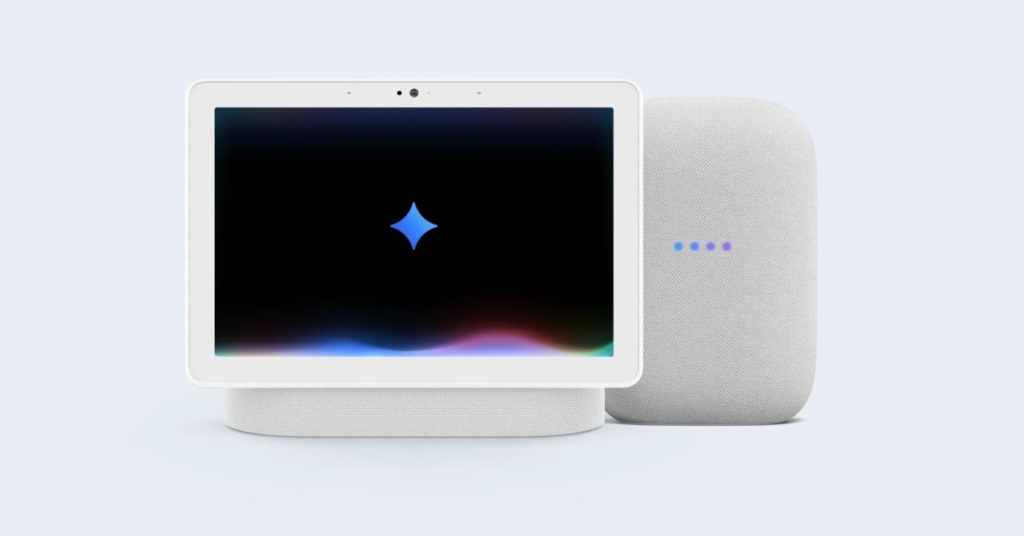
Google Home’s Voice Command Overhaul: A 30-40% Speed Boost Arrives Just in Time
In a move that’s sending ripples through the smart home ecosystem, Google has unleashed a major under-the-hood update to Google Home’s voice command system, promising to transform your smart home experience from frustrating to frictionless. This isn’t just another incremental patch—it’s a comprehensive performance overhaul that’s already rolling out to millions of devices worldwide.
The Long Road to Voice Command Redemption
Let’s be honest: Google Assistant has been on a downward spiral for years. What was once the gold standard for voice-activated AI has become the poster child for “good enough” technology that stopped evolving. Users have been dealing with sluggish responses, misinterpreted commands, and the kind of latency that makes you wonder if your smart home is powered by carrier pigeons.
Enter Gemini for Home—Google’s ambitious attempt to revitalize its smart home platform by infusing it with their latest AI capabilities. When it launched in early access last year, there was legitimate excitement. Could this be the moment Google Assistant finally caught up to (or surpassed) competitors like Alexa and Siri?
The short answer: not quite. While Gemini brought some impressive new features to the table, it felt more like a feature upgrade than the revolutionary leap many were hoping for. It was like getting a new paint job on a car with engine trouble—it looked better, but the fundamental problems remained.
The Numbers That Matter: 30-40% Faster, Significantly More Reliable
Here’s where things get interesting. Google Home chief Anish Kattukaran took to Twitter/X to announce what he’s calling a “major under-the-hood” update that’s been specifically engineered to tackle the most common pain points users experience with voice commands.
The headline figure? A 30-40% reduction in latency for hundreds of the most frequently used smart home device commands. That’s not a marginal improvement—that’s the difference between your lights turning on instantly versus waiting through an awkward pause that makes you wonder if your command was even heard.
But speed isn’t the only metric that’s improved. Kattukaran’s team has also managed to significantly reduce error rates across the board. This means fewer “I’m sorry, I didn’t understand that” responses and more successful executions of your commands on the first try.
The Technical Magic Behind the Scenes
What makes this update particularly impressive is that it’s happening entirely behind the scenes. Users don’t need to update apps, reset devices, or jump through any hoops—the improvements should just start manifesting as you use your voice commands normally.
The focus on “hundreds of your most common smart home device commands” suggests Google has been analyzing usage patterns and identifying the specific commands that cause the most frustration. Rather than a blanket improvement, they’ve targeted the areas where users feel the pain most acutely.
This kind of surgical optimization requires sophisticated machine learning models that can predict user intent more accurately and execute commands more efficiently. It’s the difference between having a general-purpose tool versus a specialized instrument designed for specific tasks.
The Perfect Timing: Riding the Wave of Recent Updates
This voice command overhaul couldn’t have come at a better time. Just days before this announcement, Google rolled out a comprehensive Google Home app update that brought a wave of performance improvements, functional enhancements, and bug fixes throughout the platform.
The timing suggests this might be part of a coordinated effort to rebuild user confidence in Google’s smart home ecosystem. Think of it as a one-two punch: the app update addresses the user interface and experience, while this voice command update tackles the core functionality that makes or breaks any voice-activated system.
Real-World Impact: What This Means for Your Daily Life
Let’s translate these improvements into real-world scenarios:
Morning Routines: Instead of waiting 3-4 seconds for your “Good morning” routine to start executing, you’re now looking at 1-2 seconds. That might not sound like much, but it’s the difference between a seamless experience and one that makes you reach for your phone instead.
Quick Commands: Need to turn off the living room lights as you’re heading to bed? The reduced latency means the lights respond almost as quickly as you can speak the command—no more awkward pauses where you’re not sure if the system heard you.
Complex Sequences: Commands that involve multiple devices or actions should feel more cohesive and less like you’re managing a committee of reluctant smart devices.
Error Reduction: Fewer misinterpreted commands mean less frustration and more trust in the system. When you say “set the thermostat to 72 degrees,” you can be confident it will actually happen.
The Bigger Picture: Google’s Smart Home Strategy
This update represents more than just technical improvements—it’s a statement about Google’s commitment to its smart home ecosystem. After years of letting Google Assistant stagnate while competitors pushed forward, this level of investment suggests Google recognizes it has some ground to make up.
The focus on performance and reliability over flashy new features indicates a mature understanding of what users actually want: a system that works consistently, not one that occasionally does something impressive but fails at basic tasks.
Early Access and Community Feedback
Google is encouraging users to try out these improvements in Early Access and provide feedback. This open approach to development suggests Google is serious about community-driven improvement rather than just pushing updates and hoping for the best.
The Early Access program has been crucial for testing these kinds of optimizations in real-world conditions before wider rollout. It’s where the 30-40% latency improvements were likely first identified and refined.
What’s Still to Come
Kattukaran’s statement that “still more to come” is particularly intriguing. If this update addresses the most common commands and delivers these kinds of improvements, what else might be in the pipeline?
Possibilities include:
- Expanded language support with similar performance improvements
- Better handling of complex, multi-step commands
- Improved integration with third-party smart home devices
- More natural conversation flows without the need to use exact phrasing
The Competitive Landscape
This timing is particularly interesting when viewed against the broader smart home market. Amazon continues to iterate on Alexa, Apple is pushing forward with Siri improvements, and countless startups are entering the space with specialized AI assistants.
Google’s focus on core performance rather than headline-grabbing new features suggests they’re playing a long game—building a foundation of reliability that can support more ambitious features down the line.
User Experience: The Ultimate Test
The real test of these improvements will be whether users actually notice them. The best technology is often the technology you don’t notice—it just works seamlessly in the background.
If Google has succeeded, users should experience a subtle but meaningful improvement in their daily interactions with smart home devices. The system should feel more responsive, more accurate, and more reliable without requiring any conscious effort on the user’s part.
Looking Ahead
This update represents a significant step forward for Google Home, but it’s also a reminder of how far smart home technology still has to go. We’re moving from a world where voice commands were a novelty to one where they’re an expected utility—and that transition requires the kind of reliability and performance improvements Google is now delivering.
The question now is whether these improvements will be enough to win back users who’ve become frustrated with Google Assistant’s shortcomings, or if this is just the beginning of a broader renaissance for Google’s smart home ambitions.
Tags & Viral Phrases:
- Google Home voice command revolution
- 30-40% faster smart home responses
- Gemini for Home performance boost
- Smart home latency nightmare solved
- Google Assistant comeback story
- Under-the-hood smart home magic
- Voice command error rates plummet
- Smart home snappier than ever
- Google’s smart home redemption arc
- Voice AI performance breakthrough
- Smart home feels noticeably snappier
- Google Home app update impact
- Early Access voice command improvements
- Smart home device command optimization
- Google’s commitment to smart home reliability
- Voice assistant performance comparison 2025
- Smart home ecosystem trust rebuilding
- Google Assistant vs Alexa vs Siri
- Voice command technology evolution
- Smart home user experience transformation
,


Leave a Reply
Want to join the discussion?Feel free to contribute!