
DJI will pay $30K to the man who accidentally hacked 7,000 Romo robovacs
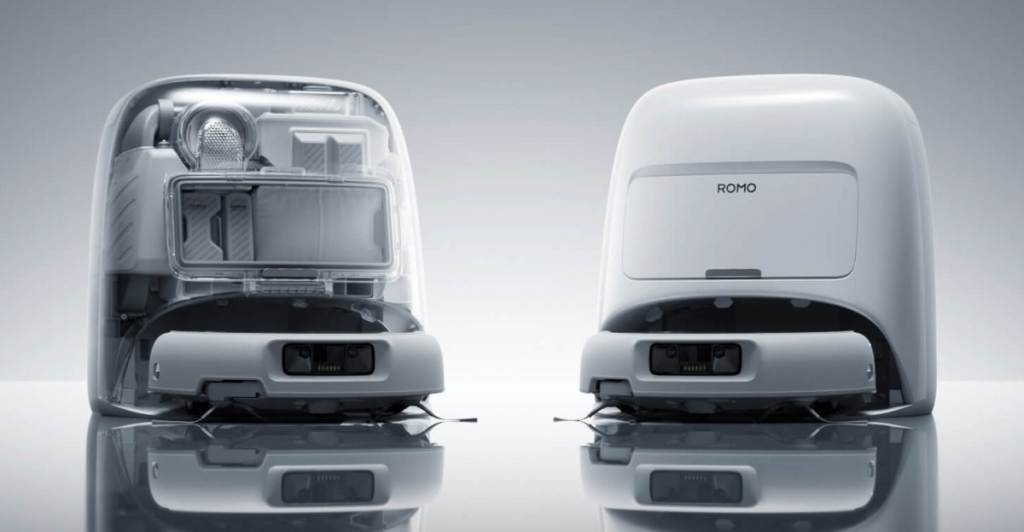
DJI Romo Security Scandal: How One Hacker Exposed a Global Network of Vulnerable Robot Vacuums
On Valentine’s Day, a seemingly innocent story about a man attempting to control his DJI robot vacuum with a PlayStation gamepad exploded into a global cybersecurity nightmare that would shake the smart home industry to its core. What began as a curious experiment by Sammy Azdoufal quickly revealed a staggering vulnerability affecting approximately 7,000 DJI Romo robot vacuums worldwide, creating what security experts are now calling “the most significant IoT security breach of 2025.”
The scale of the discovery was breathtaking. Azdoufal, who initially just wanted to repurpose his Romo’s controls for gaming, stumbled upon a network of interconnected devices that allowed him to remotely access camera feeds from thousands of homes across the globe. The implications were immediate and severe: complete strangers could potentially be watching families, pets, and private moments through these compromised devices without any knowledge or consent from the owners.
What made this situation particularly alarming was the ease with which Azdoufal could access these devices. Using nothing more than a PlayStation controller and some basic technical knowledge, he demonstrated how the Romo’s security architecture was fundamentally flawed. The vacuum’s camera system, designed to help with navigation and obstacle avoidance, had become a massive surveillance network waiting to be exploited.
When The Verge first broke the story, DJI was already aware of some of the vulnerabilities and had begun preliminary work on fixes. However, the company’s initial response was notably cautious, likely due to the high-profile failure of its previous bug bounty program. In 2017, security researcher Kevin Finisterre had a disastrous experience with DJI when he discovered and reported critical vulnerabilities, only to be met with hostility and legal threats rather than appreciation or compensation.
This history created significant skepticism about whether DJI would properly address the Romo vulnerabilities or compensate Azdoufal for his discovery. The stakes were enormous: millions of dollars in potential liability, severe damage to brand reputation, and the very real possibility of regulatory intervention if the vulnerabilities remained unpatched.
Today, we have definitive answers on several critical questions that have been circulating in the cybersecurity community for weeks. DJI has confirmed that it will pay Sammy Azdoufal $30,000 for his discovery, though the company has been deliberately vague about which specific vulnerability it’s compensating him for. This payment represents a significant shift in DJI’s approach to security researchers, suggesting the company has learned from its past mistakes and is now willing to engage constructively with the security community.
The payment structure itself raises interesting questions. Was DJI paying for the initial discovery that led to the PlayStation controller hack? Or was the compensation for the additional vulnerability Azdoufal found, where users could view Romo video streams without requiring a security PIN? The company’s refusal to specify which discovery earned the bounty suggests there may be multiple vulnerabilities being addressed simultaneously, or that DJI wants to avoid creating expectations for future payments.
In a statement to The Verge, DJI spokesperson Daisy Kong confirmed that “the PIN code security observation was addressed by late February,” indicating that at least one major vulnerability has been resolved. However, this statement only scratches the surface of the broader security issues affecting the Romo platform.
The most concerning vulnerability—the one so severe that The Verge initially refused to describe it in detail—remains a significant concern. DJI has acknowledged that it’s working on a comprehensive system upgrade to address this critical flaw, estimating that full implementation will take approximately one month. This timeline suggests the vulnerability is deeply embedded in the Romo’s core architecture rather than being a simple configuration issue that could be patched quickly.
DJI’s public response has been carefully calibrated to balance transparency with damage control. The company recently published a blog post titled “Security and Continuous Improvement: The Romo’s Path Forward,” where it attempts to frame the narrative while committing to substantial security improvements. In this post, DJI claims it discovered the original vulnerability independently, while also crediting “two independent security researchers” for finding the same problem.
This dual attribution strategy is particularly interesting. By claiming independent discovery while also crediting external researchers, DJI appears to be trying to maintain control over the narrative while acknowledging the contributions of the security community. However, this approach has been met with skepticism from cybersecurity experts who note that the timing and nature of the discoveries strongly suggest Azdoufal was the primary discoverer.
The blog post also contains some potentially misleading statements that have raised eyebrows in the security community. DJI claims that “updates have been deployed to fully resolve the issue,” which seems to contradict earlier statements about the one-month timeline for comprehensive fixes. This discrepancy suggests either poor internal communication at DJI or a deliberate attempt to downplay the ongoing nature of the security problems.
One of the most troubling aspects of DJI’s response involves its discussion of existing security certifications. The company proudly notes that the Romo already has ETSI, EU, and UL certifications for security. However, this claim has become a source of intense debate within the cybersecurity community. If a single researcher with basic tools could access an entire network of robovacs, what value do these certifications actually provide? Many experts are now questioning whether current IoT security certification processes are adequate for the rapidly evolving threat landscape.
DJI’s commitment to “deepening our engagement with the security research community” and introducing “new ways for researchers to partner and collaborate” represents a potentially significant shift in corporate strategy. This statement suggests DJI recognizes that its previous adversarial approach to security research was counterproductive and that building trust with the security community is essential for long-term product safety.
The company’s promise to conduct “independent third-party security audits” is another positive development, though security experts note that the effectiveness of such audits depends heavily on their scope, frequency, and the independence of the auditors. Many in the community will be watching closely to see whether these audits are genuinely independent or if DJI maintains excessive control over their scope and findings.
The broader implications of this incident extend far beyond DJI and the Romo. This case has become a textbook example of the risks inherent in the Internet of Things (IoT) revolution. As more devices become connected—from vacuum cleaners to refrigerators to medical devices—the potential attack surface for malicious actors expands exponentially. The Romo incident demonstrates how a seemingly innocuous device can become a powerful surveillance tool when security is not prioritized from the design phase.
Consumer advocacy groups have seized on this incident to call for stronger IoT security regulations. The fact that thousands of devices were vulnerable to remote access without any obvious signs to users highlights the need for mandatory security standards, regular security updates, and clear disclosure requirements for IoT manufacturers.
For DJI, the path forward involves not just technical fixes but a complete overhaul of its security culture. The company must demonstrate through actions—not just statements—that it takes security seriously. This means implementing secure-by-default designs, providing timely security updates, being transparent about vulnerabilities and their remediation, and fostering a collaborative relationship with the security research community.
The financial implications for DJI are also significant. Beyond the $30,000 bounty payment, the company faces potential costs related to system upgrades, security audits, potential legal liability, and the impact on future sales. More importantly, DJI must rebuild trust with consumers who may now question the security of all DJI products, not just the Romo.
As the one-month timeline for comprehensive fixes approaches, the cybersecurity community will be watching closely to see if DJI delivers on its promises. The success or failure of these remediation efforts could set important precedents for how the entire IoT industry handles security vulnerabilities and engages with security researchers.
This incident serves as a wake-up call for the entire tech industry. In an era where our homes are filled with connected devices, security cannot be an afterthought. The DJI Romo case demonstrates that even established companies with significant resources can make fundamental security mistakes with far-reaching consequences. Moving forward, the industry must prioritize security from the ground up, embrace transparency, and recognize that collaboration with security researchers is not a threat but an essential component of product safety.
tags
DJI #Romo #Security #Vulnerability #IoT #Cybersecurity #RobotVacuum #Hacking #SmartHome #TechNews
viralSentences
One man’s gaming experiment exposed 7,000 vulnerable robot vacuums
PlayStation controller becomes key to massive security breach
$30,000 bounty paid for exposing critical flaws
Security certifications questioned after major breach
One month timeline for comprehensive fixes
Company shifts from hostile to collaborative approach
IoT security nightmare becomes industry wake-up call
Entire network of devices compromised by single vulnerability
Smart home surveillance risks revealed
Security researcher treated as hero instead of threat
,


Leave a Reply
Want to join the discussion?Feel free to contribute!