
Samsung Galaxy Watch Ultra 2 to use a new chipset
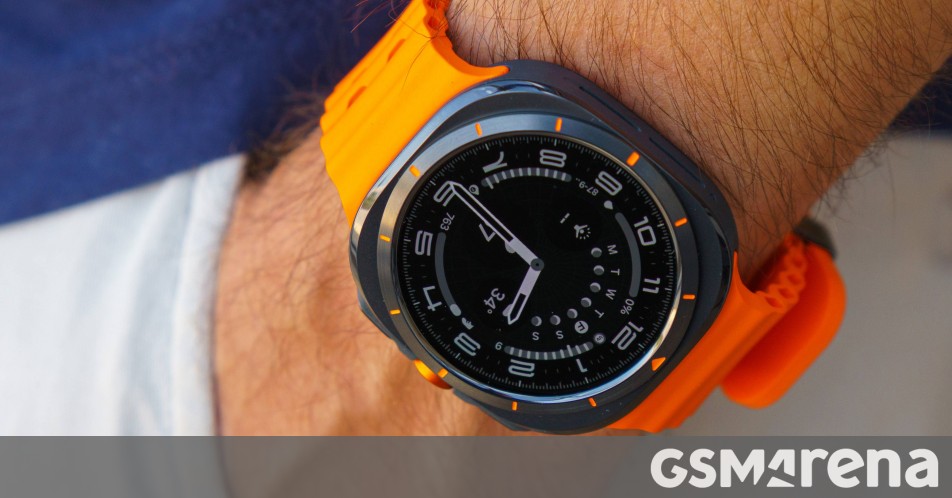
Samsung Galaxy Watch Ultra 2 Set to Feature Snapdragon Wear Elite SoC: A Major Leap in Wearable Tech
The smartwatch world is abuzz with fresh rumors about Samsung’s highly anticipated Galaxy Watch Ultra 2, which is expected to launch later this year, likely around the two-year anniversary of its predecessor. According to a tipster on X (formerly Twitter), the Galaxy Watch Ultra 2 will be powered by Qualcomm’s newly unveiled Snapdragon Wear Elite chipset—a move that could significantly elevate Samsung’s premium wearable offering.
This potential upgrade marks a pivotal moment for Samsung’s smartwatch lineup, as the company reportedly plans to equip its standard Galaxy Watch 9 with the same Exynos W1000 chip found in the Galaxy Watch 8 and Galaxy Watch 7. By reserving the Snapdragon Wear Elite for the Ultra model, Samsung appears to be sharpening the distinction between its flagship and standard smartwatches, potentially at the cost of increased pricing.
Snapdragon Wear Elite: A New Era for Wearables
Qualcomm’s Snapdragon Wear Elite, unveiled earlier this year, promises substantial improvements in performance, battery life, and on-device AI capabilities. Built on a more advanced process node, the new SoC is designed to deliver faster app launches, smoother animations, and more efficient power management—features that are increasingly critical as smartwatches take on more complex tasks like health monitoring, GPS navigation, and even mobile payments.
The inclusion of on-device AI is particularly noteworthy. This could enable real-time health insights, smarter voice assistants, and more responsive fitness tracking without relying on constant cloud connectivity. For users who demand top-tier performance and cutting-edge features, the Snapdragon Wear Elite could make the Galaxy Watch Ultra 2 a compelling upgrade.
A Tale of Two Chipsets: Ultra vs. Standard Models
Samsung’s decision to split its chipset strategy between the Ultra and standard models is a bold one. While the Galaxy Watch 9 will continue with the Exynos W1000—a proven, reliable chip—the Ultra 2’s Snapdragon Wear Elite could deliver a noticeably superior experience. This differentiation could appeal to power users and tech enthusiasts willing to pay a premium for the latest hardware.
However, this approach also raises questions about value and consistency across Samsung’s lineup. Will the performance gap between the Ultra and standard models be significant enough to justify a potential price hike for the Ultra 2? And how will this affect Samsung’s competitive position against other premium smartwatch makers, such as Apple and Garmin?
Pricing and Market Implications
Given the trend in mobile chipsets, where each new flagship processor tends to be more expensive than its predecessor, it’s reasonable to expect that the Snapdragon Wear Elite could drive up the cost of the Galaxy Watch Ultra 2. If Samsung passes these costs on to consumers, the Ultra 2 could become one of the most expensive smartwatches on the market.
This strategy could pay off if Samsung’s target audience values cutting-edge technology and is willing to invest in a premium device. However, it also risks alienating budget-conscious buyers or those who see less value in incremental hardware upgrades.
What This Means for the Future of Wearables
Samsung’s rumored chipset strategy for its 2025 smartwatches reflects a broader trend in the wearable tech industry: increasing specialization and segmentation. As smartwatches become more capable, manufacturers are finding new ways to differentiate their products, whether through hardware, software, or exclusive features.
If the Galaxy Watch Ultra 2 delivers on its promise of superior performance and AI-driven features, it could set a new standard for what users expect from a premium smartwatch. At the same time, it will be interesting to see how Samsung balances innovation with accessibility across its broader product lineup.
Looking Ahead
With the official launch of the Galaxy Watch Ultra 2 still months away, much remains uncertain. Will the Snapdragon Wear Elite truly transform the user experience? How will Samsung price the new Ultra model, and what new features will it bring to the table? As always, the tech community will be watching closely for official announcements and real-world reviews.
For now, the rumor mill suggests that Samsung is doubling down on its Ultra strategy, betting that performance-hungry consumers will embrace a more powerful, more expensive flagship. Whether this gamble pays off could shape the future of Samsung’s wearable ambitions—and the broader smartwatch market—for years to come.
Tags: Samsung, Galaxy Watch Ultra 2, Snapdragon Wear Elite, smartwatch, wearable tech, Exynos W1000, Galaxy Watch 9, Qualcomm, on-device AI, premium smartwatch, tech rumors, Samsung Galaxy Watch, wearable innovation
Viral Phrases:
- “Snapdragon Wear Elite powers next-gen Galaxy Watch Ultra 2”
- “Samsung’s bold chipset split: Ultra gets elite, standard stays steady”
- “Is the Galaxy Watch Ultra 2 about to get a major performance boost?”
- “Premium smartwatch wars heat up with Samsung’s latest move”
- “On-device AI arrives in Samsung’s next flagship wearable”
- “Galaxy Watch Ultra 2: Worth the hype and the price?”
- “Samsung bets big on hardware differentiation in 2025”
- “Snapdragon vs. Exynos: The battle inside Samsung’s smartwatches”
- “Next-level wearable tech is almost here”
- “Galaxy Watch Ultra 2 could redefine premium wearables”
,


Leave a Reply
Want to join the discussion?Feel free to contribute!