
2022 Apple Studio Display vs 2026 Apple Studio Display: A lackluster upgrade
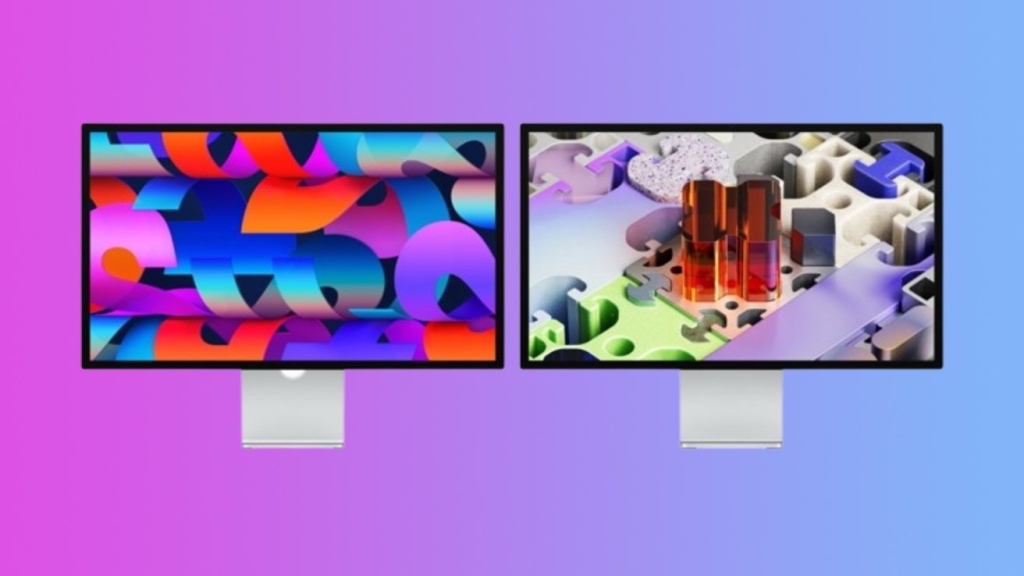
The new 2026 Apple Studio Display has arrived, bringing a modest refresh to Apple’s popular desktop monitor lineup. While the display retains its core identity and beloved design, the incremental upgrades may leave many existing owners questioning whether an upgrade is truly worthwhile.
Apple unveiled the second-generation Studio Display on March 3, 2026, with availability beginning just one week later on March 10. However, the announcement was somewhat overshadowed by the simultaneous reveal of the all-new Studio Display XDR, which represents a much more substantial leap forward with its mini-LED backlight technology and impressive 120Hz refresh rate.
The Studio Display XDR, positioned as Apple’s premium offering, commands a premium price to match. Starting at $3,299, this high-end monitor targets professional users who demand the absolute best display technology available. The price point immediately positions it as a significant investment, putting it well beyond the reach of many creative professionals and everyday users.
This pricing strategy effectively creates space for the refreshed Studio Display to serve as the more accessible option in Apple’s monitor lineup. Maintaining the same $1,599 starting price as its predecessor, the new model offers continuity in terms of affordability while attempting to justify its existence through subtle improvements.
So what exactly has changed in this 2026 refresh? The updates appear to be evolutionary rather than revolutionary. Apple has focused on refining the existing formula rather than reinventing it, which could be seen as either a strength or a weakness depending on one’s perspective.
The chassis remains virtually identical to the 2022 model, maintaining the same sleek, minimalist aesthetic that has become synonymous with Apple’s display design language. The 27-inch 5K Retina display continues to deliver stunning visuals with a resolution of 5120 x 2880 pixels, providing exceptional clarity and detail for everything from photo editing to everyday productivity tasks.
Color accuracy remains a standout feature, with the display supporting the P3 wide color gamut and achieving 600 nits of brightness. These specifications ensure that creative professionals can trust the colors they see on screen to accurately represent their work. The True Tone technology, which automatically adjusts the display’s white balance to match ambient lighting conditions, continues to provide a more natural viewing experience.
One area where Apple has made notable improvements is in the webcam department. The 12-megapixel Ultra Wide camera now features Center Stage, Apple’s intelligent framing technology that automatically adjusts the camera’s field of view to keep subjects centered during video calls. This enhancement addresses one of the most common criticisms of the original Studio Display and brings it more in line with the capabilities found in Apple’s latest MacBook models.
The audio experience has also received attention, with the six-speaker system delivering spatial audio support. This feature creates a more immersive soundstage for music, movies, and other multimedia content, making the Studio Display an even more compelling all-in-one solution for users who value integrated audio quality.
Connectivity options remain consistent with previous iterations, featuring three USB-C ports and one Thunderbolt port. The inclusion of Thunderbolt 4 ensures compatibility with the latest Mac hardware while providing ample bandwidth for peripherals and external storage devices.
For users considering whether to upgrade from the 2022 model, the decision becomes more nuanced. If you already own the previous generation Studio Display, the improvements in the 2026 version may not provide sufficient incentive to make the switch. The core experience—image quality, build quality, and overall functionality—remains largely unchanged.
However, for new buyers entering the market or those who have been holding off on purchasing a Studio Display, the refreshed model represents a solid option. The maintained price point, combined with the subtle refinements, makes it an attractive choice for users who want Apple’s premium display experience without venturing into the stratospheric pricing territory of the Studio Display XDR.
The timing of this release is particularly interesting when considered in the broader context of Apple’s product strategy. By releasing a modest update alongside the more ambitious Studio Display XDR, Apple appears to be segmenting its monitor lineup more clearly than ever before. The standard Studio Display now serves as the accessible option for mainstream users and professionals who don’t require the absolute cutting edge, while the XDR model caters to those who demand top-tier performance regardless of cost.
This dual-pronged approach allows Apple to address different market segments while maintaining healthy profit margins across its display portfolio. It’s a strategy that has proven successful in other product categories, from iPhones to MacBooks, and appears to be working well in the monitor space as well.
The competition in the monitor market remains fierce, with alternatives from Dell, LG, and other manufacturers offering compelling features at various price points. However, Apple’s integration with macOS and its ecosystem of devices continues to provide a seamless experience that many users find worth the premium.
For creative professionals working in photography, video editing, graphic design, and other visual disciplines, the Studio Display’s color accuracy and resolution make it a reliable tool for daily work. The consistent performance and Apple’s reputation for build quality provide peace of mind that extends beyond mere specifications.
As we look ahead, it’s worth considering what the future might hold for Apple’s display technology. The introduction of mini-LED and ProMotion technologies in the Studio Display XDR suggests that these premium features will eventually trickle down to more affordable models. However, given the pace of this refresh, that transition may still be several years away.
The 2026 Studio Display represents a safe, competent update to an already solid product. It won’t revolutionize your workflow or dramatically change your computing experience, but it will provide reliable, high-quality performance for years to come. For many users, that consistency and dependability may be exactly what they’re looking for in a desktop monitor.
Ultimately, the new Studio Display’s success will depend on how potential buyers weigh its incremental improvements against their specific needs and budget constraints. While it may not represent the most exciting upgrade in Apple’s history, it continues to serve its purpose as a capable, well-designed monitor that integrates seamlessly with Apple’s ecosystem.
#Apple #StudioDisplay #2026 #Technology #Monitor #AppleEcosystem #5KDisplay #macOS #CreativeProfessionals #DisplayTechnology #TechNews #AppleInsider #MiniLEDTech #Thunderbolt4 #TrueTone #CenterStage #SpatialAudio #TechUpgrade #DesktopMonitor #ProfessionalDisplay,

Leave a Reply
Want to join the discussion?Feel free to contribute!