
Scientists Found an Ancient Human Relative Where None Was Expected
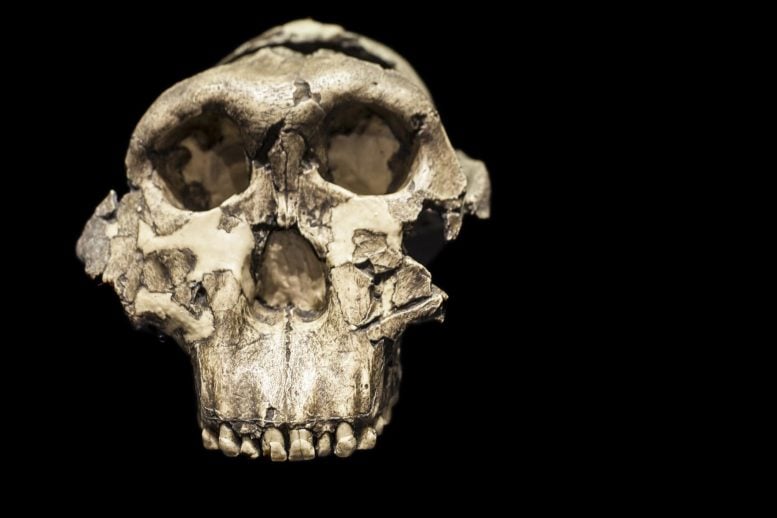
In a discovery that has sent shockwaves through the world of paleoanthropology, a single ancient jawbone is rewriting the story of humanity’s forgotten relatives. A newly published study in the prestigious journal Nature reports the first known Paranthropus fossil ever found in Ethiopia’s Afar region. This groundbreaking research was spearheaded by University of Chicago paleoanthropologist Professor Zeresenay Alemseged, whose decades of fieldwork in East Africa have now yielded what many are calling one of the most significant fossil finds in recent memory.
The specimen—a well-preserved jawbone—was unearthed roughly 1,000 kilometers north of where scientists previously believed Paranthropus species lived. For years, researchers assumed these robust, human-like hominins were confined to southern and eastern Africa, thriving in regions with distinct environmental conditions. But this jaw, dated to approximately 2.5 million years ago, tells a very different story. It suggests that Paranthropus was far more widespread and adaptable than anyone had imagined, capable of surviving in a variety of ecological niches across the African continent.
Paranthropus, often referred to as the “nutcracker man” due to its massive jaws and large molars, is a genus of extinct hominins that lived alongside early members of our own genus, Homo. Unlike Homo, which eventually gave rise to modern humans, Paranthropus had a more specialized diet, likely consisting of tough, fibrous plants. Their robust cranial features—particularly their pronounced cheekbones and sagittal crests—were adaptations for heavy chewing. For decades, scientists believed these traits confined them to specific environments, but this new discovery challenges that assumption.
The jawbone was found in the arid badlands of the Afar region, a place already famous for yielding some of the most important hominin fossils in history, including the iconic “Lucy” skeleton (Australopithecus afarensis). The Afar has long been a treasure trove for paleoanthropologists, but this latest find adds a new layer of complexity to the region’s evolutionary narrative. It suggests that the Afar was not just a home to early human ancestors but also to their close evolutionary cousins, the Paranthropus.
Professor Alemseged and his team used advanced dating techniques to confirm the age of the fossil, and comparative analysis with other Paranthropus specimens from across Africa revealed striking similarities. This indicates that the Afar Paranthropus was part of a broader, interconnected population that roamed much of the continent. The implications are profound: it suggests that early hominins were more mobile and adaptable than previously thought, capable of traversing vast distances in response to changing climates and environmental pressures.
What makes this discovery particularly exciting is the context in which it was found. The Afar region during the time of Paranthropus was likely a mosaic of grasslands, woodlands, and wetlands—a far cry from the dry, inhospitable landscape it is today. This diversity of habitats would have provided ample resources for a variety of hominin species, allowing them to coexist and even compete for survival. The presence of Paranthropus in this region suggests that they were not just passive inhabitants but active participants in the complex ecological web of ancient Africa.
The study also raises intriguing questions about the evolutionary relationships between Paranthropus and early Homo. Both genera emerged around the same time, roughly 2.8 to 2.5 million years ago, and both faced the challenges of a changing climate. While Homo adapted by developing larger brains and more sophisticated tools, Paranthropus took a different path, specializing in a diet that allowed them to exploit resources that other hominins could not. This divergence in evolutionary strategy highlights the remarkable diversity of early human relatives and the many ways they responded to the pressures of survival.
For the scientific community, this discovery is a reminder of how much we still have to learn about our evolutionary past. Each new fossil has the potential to upend long-held assumptions and open up entirely new avenues of research. The Afar Paranthropus jawbone is no exception. It challenges us to rethink the geographic and ecological boundaries of early hominins and to consider the possibility that other unexpected discoveries are waiting to be made in the fossil-rich regions of Africa.
As Professor Alemseged and his team continue to analyze the specimen and explore the surrounding area, there is hope that more fossils will come to light, shedding further light on the lives of these enigmatic hominins. For now, this single jawbone stands as a testament to the resilience and adaptability of Paranthropus, a species that, despite its eventual extinction, played a crucial role in the story of human evolution.
In a world where new technologies and discoveries are constantly reshaping our understanding of the past, this find is a powerful reminder of the enduring value of fieldwork and the thrill of uncovering the secrets of our ancient ancestors. It is a story of perseverance, curiosity, and the unrelenting pursuit of knowledge—a story that continues to captivate scientists and the public alike.
Tags, Viral Words, and Phrases:
- Ancient human relative
- Paranthropus fossil
- Ethiopia’s Afar region
- Groundbreaking discovery
- Rewriting human evolution
- Nutcracker man
- Robust hominins
- Evolutionary adaptability
- Fossil jawbone
- 2.5 million years old
- Professor Zeresenay Alemseged
- Nature journal study
- Paleoanthropology breakthrough
- Early human ancestors
- Lucy’s cousin?
- Ecological diversity
- Survival strategies
- African continent
- Fossil-rich regions
- Unearthing the past
- Evolutionary mystery
- Ancient ecosystems
- Coexisting species
- Specialized diet
- Massive jaws
- Sagittal crests
- Human evolution story
- Scientific shockwave
- Unexpected discovery
- Fossil analysis
- Advanced dating techniques
- Interconnected populations
- Changing climates
- Evolutionary divergence
- Robust cranial features
- Grasslands and woodlands
- Wetlands of ancient Africa
- Fossil treasure trove
- Iconic “Lucy” skeleton
- Arid badlands
- Mosaic of habitats
- Ecological web
- Evolutionary relationships
- Homo and Paranthropus
- Larger brains and tools
- Dietary specialization
- Evolutionary strategy
- Diversity of hominins
- Pressures of survival
- Geographic boundaries
- Ecological niches
- Resilience and adaptability
- Extinction and legacy
- Unrelenting pursuit of knowledge
- Captivating discovery
- Fieldwork and fossils
- Secrets of ancestors
- Reshaping understanding
- Enduring value of science
- Thrill of discovery
,


Leave a Reply
Want to join the discussion?Feel free to contribute!