
SpaceX is coming to the public markets, and secondaries are already on fire
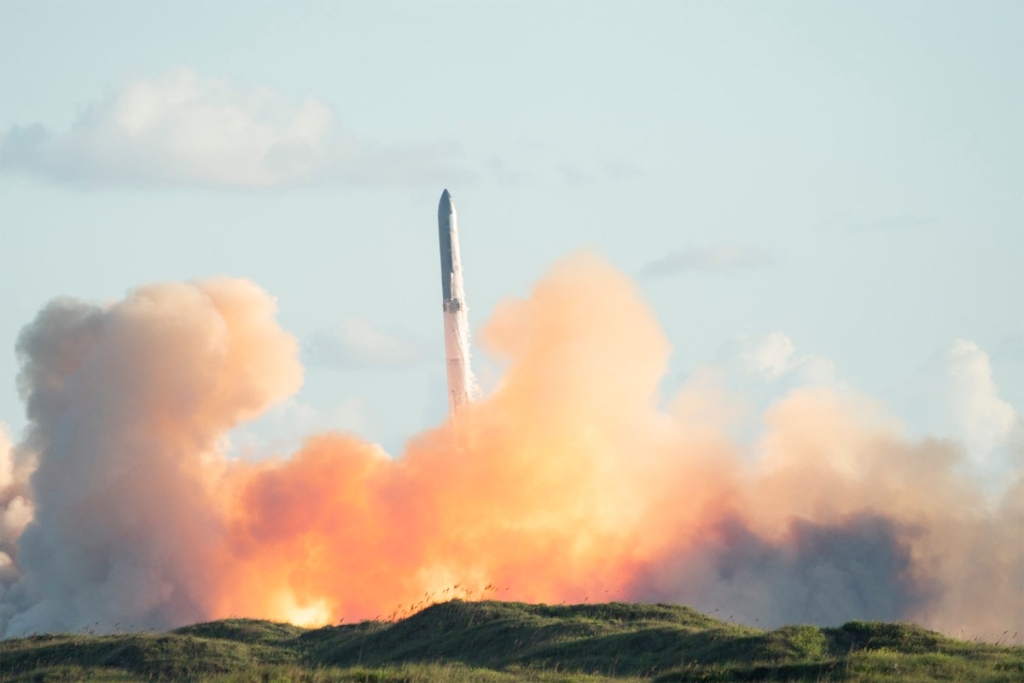
SpaceX’s 2026 IPO: The Event That Could Reshape the Tech Market Landscape
In what could become one of the most significant financial events of the decade, SpaceX is reportedly assembling a formidable team of four major Wall Street banks for what analysts are calling a potential watershed moment in the tech industry: a 2026 initial public offering that might just reset the entire market’s trajectory.
The aerospace and satellite internet giant, helmed by Elon Musk, has been making waves in the financial world after completing a tender offer that valued the company at an astronomical $800 billion. This valuation isn’t just impressive on paper—it’s sending shockwaves through secondary markets where demand for SpaceX shares has reached unprecedented levels.
The Numbers That Have Wall Street Buzzing
The sheer scale of SpaceX’s potential public debut is staggering. While the company’s current tender offer valuation sits at $800 billion, rumors are circulating about an even more ambitious target. According to reports from TechCrunch, Musk is allegedly eyeing a $1.5 trillion valuation for the IPO, strategically timed to coincide with his June birthday—a move that would blend personal symbolism with market timing.
To put this in perspective, if SpaceX achieves even half of its rumored valuation, it would dwarf the largest IPOs in history. The current record holder, Alibaba’s 2014 offering, raised $25 billion at a $231 billion valuation. SpaceX’s potential $1.5 trillion valuation would represent a quantum leap in market capitalization that could fundamentally alter how investors view late-stage tech companies.
The Ripple Effect: A Potential IPO Cascade
What makes this IPO particularly fascinating is its potential to trigger a domino effect across the tech industry. Market analysts are already speculating that a successful SpaceX public offering could pave the way for other high-profile “unicorns” that have remained private far longer than traditional market cycles would suggest.
Companies like OpenAI, the artificial intelligence powerhouse behind ChatGPT; Stripe, the payment processing giant valued at over $50 billion; and Databricks, the data analytics platform that recently raised capital at a $43 billion valuation, have all been circling the public markets for years. Each has faced the classic pre-IPO dilemma: whether to go public at current valuations or wait for potentially higher ones.
A successful SpaceX IPO could provide the market validation these companies need to finally take the plunge. It would demonstrate that public markets are still hungry for high-growth, high-valuation tech companies, even in an era of higher interest rates and increased regulatory scrutiny.
The Secondary Market Boom
One of the most intriguing aspects of this potential IPO is what’s happening in the interim. As companies like SpaceX delay their public debuts, a robust secondary market has emerged where employees, early investors, and other shareholders can sell their shares to institutional buyers and accredited investors.
Greg Martin, Managing Director at Rainmaker Securities, explains that this secondary market activity is creating unprecedented liquidity for tech employees who might otherwise be locked into their equity positions for a decade or more. “We’re seeing tech employees cash out through secondary markets before companies go public,” Martin notes, highlighting a fundamental shift in how private company equity functions.
This secondary market activity isn’t just about providing liquidity—it’s also serving as a real-time valuation mechanism. The prices being paid for SpaceX shares in these private transactions are helping to establish a market-clearing price that could inform the company’s eventual IPO valuation.
What Investors Are Actually Looking For
The podcast discussion between Equity host Rebecca Bellan and Greg Martin delves into the critical question of what investors are actually seeking in pre-IPO shares. The answer, it turns out, is more nuanced than simple growth projections or revenue multiples.
Investors in pre-IPO companies are looking for several key factors:
Revenue Visibility and Growth Trajectory: Unlike public companies that must report quarterly results, private companies can be more selective about what financial information they share. Investors are scrutinizing SpaceX’s revenue growth, particularly from its Starlink satellite internet service, which has become a significant contributor to the company’s bottom line.
Competitive Moat and Market Position: SpaceX’s dominance in reusable rocket technology and its first-mover advantage in satellite internet create barriers to entry that investors find attractive. The company’s ability to launch satellites at a fraction of the cost of competitors gives it a sustainable competitive advantage.
Management Execution and Vision: Elon Musk’s track record at Tesla and other ventures provides confidence that SpaceX can execute on its ambitious plans, from Mars colonization to global internet coverage.
Regulatory Environment and Risk Factors: Investors are carefully weighing the regulatory challenges SpaceX faces, from FCC approvals for Starlink to international treaties governing space activities.
Why This IPO Feels Different
The Equity podcast hosts emphasize that this potential SpaceX IPO feels different from other highly anticipated public offerings. Several factors contribute to this unique positioning:
Scale and Impact: The sheer size of SpaceX means its public debut could move markets and set the tone for an entire sector. Unlike smaller tech IPOs that might affect their immediate subsector, SpaceX’s offering could influence investor sentiment across technology, aerospace, and even traditional industrials.
Timing and Market Conditions: Coming at a time when many investors are questioning whether the tech rally has legs, a successful SpaceX IPO could provide the confidence boost the market needs. It would signal that public markets are still willing to value growth and innovation appropriately.
Technological Significance: SpaceX represents more than just another tech company going public. It embodies humanity’s push toward becoming a spacefaring civilization, making it a symbol of technological progress that transcends typical market categories.
The Path Forward
As 2026 approaches, all eyes will be on SpaceX’s IPO preparations. The company’s decision to line up four major Wall Street banks suggests a serious commitment to going public, though Musk’s history of changing plans means nothing is certain until shares begin trading.
What is certain is that this IPO has the potential to be transformative—not just for SpaceX shareholders, but for the entire tech ecosystem. It could provide the template for how other late-stage unicorns approach public markets and potentially usher in a new era of tech IPOs after years of relative quiet.
The secondary market activity surrounding SpaceX shares will likely intensify as the IPO date approaches, providing additional data points for investors trying to gauge the company’s true market value. Meanwhile, competitors and peers will be watching closely to see how public markets respond to a company of SpaceX’s scale and ambition.
Whether SpaceX achieves its rumored $1.5 trillion valuation or settles for something more modest, one thing is clear: when this rocket takes off on public markets, it could carry the entire tech sector to new heights.
Tags: SpaceX IPO 2026, Elon Musk, Wall Street banks, $1.5 trillion valuation, tech IPO cascade, secondary market, unicorn companies, Starlink, aerospace technology, market reset, private market liquidity, Rainmaker Securities, Equity podcast, Greg Martin, Rebecca Bellan, late-stage tech companies, space industry, satellite internet, reusable rockets, market capitalization, IPO strategy, tech sector revival, investor sentiment, regulatory environment, competitive advantage, technological innovation, market-moving events, private equity, accredited investors, institutional buyers, growth projections, revenue visibility, management execution, market timing, personal symbolism, market-clearing price, barriers to entry, sustainable competitive advantage, market categories, transformative IPO, tech ecosystem, public markets, high-growth companies, valuation mechanisms, financial events, decade-defining moment, market trajectory, tender offer, market validation, pre-IPO dilemma, public debuts, liquidity provision, real-time valuation, financial information, regulatory challenges, FCC approvals, international treaties, space activities, market positioning, market conditions, investor confidence, technological progress, spacefaring civilization, market categories, IPO preparations, market template, late-stage unicorns, public market approach, new era of IPOs, relative quiet, secondary market intensity, market value, market response, scale and ambition, public market debut, market heights, market rally, interest rates, regulatory scrutiny, OpenAI, ChatGPT, Stripe, payment processing, Databricks, data analytics, market-clearing mechanisms, accredited investors, institutional demand, equity positions, decade-long lockups, financial reporting, quarterly results, revenue multiples, growth trajectory, competitive moat, market dominance, first-mover advantage, sustainable advantages, management track record, execution confidence, regulatory weighing, risk assessment, market significance, transformative potential, shareholder impact, ecosystem influence, public market template, quiet period, market data points, true market value, market categories, rocket launch symbolism, sector elevation, market sentiment, innovation valuation
,


Leave a Reply
Want to join the discussion?Feel free to contribute!