
Is Samsung using a newer periscope lens on the Galaxy S26 Ultra? Here’s what we know (Updated)
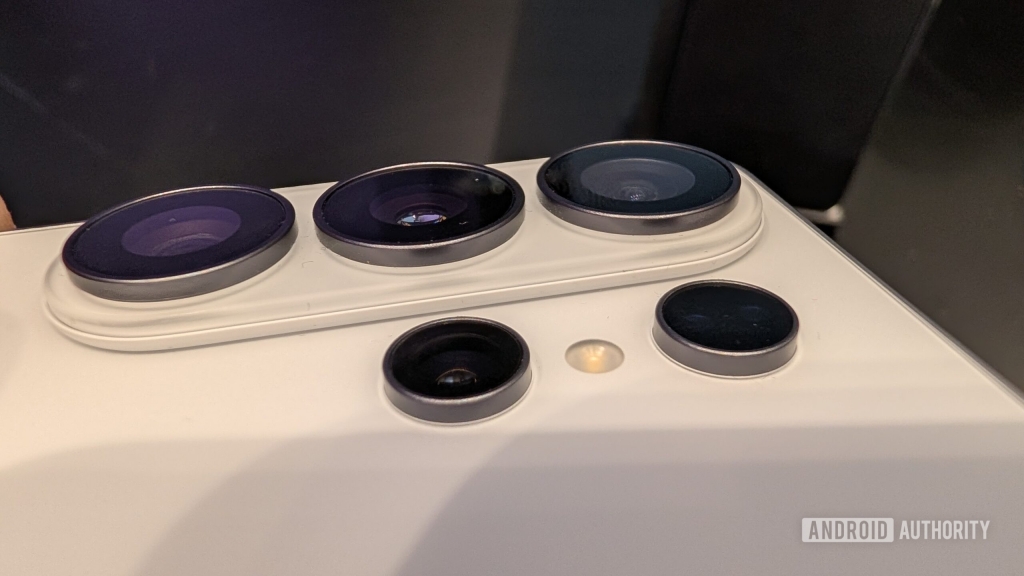
Samsung Galaxy S26 Ultra Ditches Periscope Zoom: Here’s What’s Really Happening
TL;DR: Samsung’s Galaxy S26 Ultra has quietly abandoned the traditional periscope zoom design for its 5x telephoto camera, replacing it with a new optical architecture that could signal a major shift in smartphone camera engineering.
Samsung’s Galaxy S26 Ultra has arrived with a host of upgrades, but one change has flown under the radar—and it’s causing quite a stir in the tech community. The phone’s 5x telephoto camera, long a staple of Samsung’s Ultra lineup, is no longer using the conventional periscope zoom design that defined its predecessors. Instead, Samsung has switched to a different lens type for the 5x zoom camera, and the implications are more significant than they might appear at first glance.
The End of an Era: No More Periscope?
For years, Samsung’s Ultra series has relied on periscope zoom lenses for its telephoto cameras. This design uses a prism to bend light 90 degrees, allowing the lens elements and sensor to sit perpendicular to the phone’s body. It’s a clever way to fit long focal lengths into a slim device, and it’s been a hallmark of Samsung’s flagship cameras.
But with the Galaxy S26 Ultra, that’s all changed. According to reports, the new 5x camera uses a “traditional” lens design, where the lens elements and sensor are parallel to the phone’s body. This means no more periscope prism—at least, not in the way we’ve come to know it.
What Does This Mean for Your Photos?
The switch to a new lens design has a few notable consequences. First, the minimum focusing distance has regressed from 26cm on the S25 Ultra to 52cm on the S26 Ultra. For macro enthusiasts and anyone who likes to get up close with their telephoto lens, this is a downgrade. However, for the vast majority of users who use the 5x zoom for distant subjects, the impact may be minimal.
Another interesting change is in the bokeh—the way out-of-focus areas look in your photos. The S25 Ultra’s periscope lens produced a more rectangular bokeh for out-of-focus lights, while the S26 Ultra’s new setup yields a more oval or circular bokeh. It’s a subtle difference, but one that could affect the aesthetic of your nighttime or portrait shots.
Is This Samsung’s ALoP Technology?
Speculation is mounting that Samsung’s new 5x camera uses its proprietary ALoP (All Lenses on Prism) technology. In an ALoP setup, the sensor sits perpendicular to the phone, but the lens elements sit on top of the prism—parallel to the phone’s body—rather than in between the prism and the sensor. This allows for a smaller camera module and potentially a faster aperture, which could explain the wider aperture Samsung is touting for the S26 Ultra’s telephoto camera.
One of the most intriguing aspects of ALoP is that it still uses a prism to bend light, so technically, it’s still a “periscope” zoom camera. However, Samsung has notably omitted the word “periscope” from its marketing materials for the S26 Ultra, even though the hardware still uses a prism. This has led to some confusion and debate in the tech community.
Why the Change?
The reasons for Samsung’s switch aren’t entirely clear. It’s unlikely to be solely about the wider aperture, as periscope lenses can also accommodate fast apertures. Some speculate that ALoP allows for a more compact module or improved image quality, but without official confirmation, it’s hard to say for sure.
What is clear is that Samsung is moving away from the traditional periscope design, at least for this generation. Whether this is a one-off experiment or the start of a new trend remains to be seen.
The Bottom Line
The Galaxy S26 Ultra’s 5x telephoto camera represents a subtle but significant shift in smartphone camera design. While most users may not notice the difference in everyday use, the change has implications for close-up photography and the look of bokeh in your shots. The move away from the periscope label—despite the continued use of a prism—adds an extra layer of intrigue.
As always, Samsung is keeping its cards close to its chest. We’ve reached out to the company for clarification on whether the S26 Ultra uses ALoP or a conventional folded-zoom design, and whether it’s still considered a periscope zoom camera. We’ll update this story as soon as we hear back.
For now, one thing is certain: the Galaxy S26 Ultra is pushing the boundaries of what’s possible in smartphone photography, even if it means leaving some familiar features behind.
Tags & Viral Phrases:
- Samsung Galaxy S26 Ultra
- Periscope zoom camera
- ALoP technology
- 5x telephoto camera
- Smartphone camera design
- Bokeh shape
- Minimum focusing distance
- Prism lens
- Folded zoom module
- Samsung camera innovation
- Tech evolution 2026
- Flagship camera upgrades
- Optical zoom technology
- Samsung vs Apple cameras
- Smartphone photography trends
Viral Sentences:
- “Samsung just killed the periscope zoom—here’s what replaced it.”
- “The Galaxy S26 Ultra’s 5x camera is NOT what you think.”
- “Samsung’s secret camera tech revealed: ALoP is here.”
- “Why your next Samsung phone might not have a periscope lens.”
- “The end of an era: Samsung ditches periscope for something new.”
- “Samsung’s 5x zoom downgrade—or is it an upgrade?”
- “Galaxy S26 Ultra: The camera that’s not a periscope… but kind of is.”
- “Samsung’s camera mystery: What’s really inside the S26 Ultra?”
- “The subtle camera change that could redefine Samsung’s Ultra line.”
- “Periscope is dead, long live ALoP: Samsung’s bold move.”
,


Leave a Reply
Want to join the discussion?Feel free to contribute!