
Bitcoin purist Jack Dorsey is reluctantly giving in to stablecoin craze
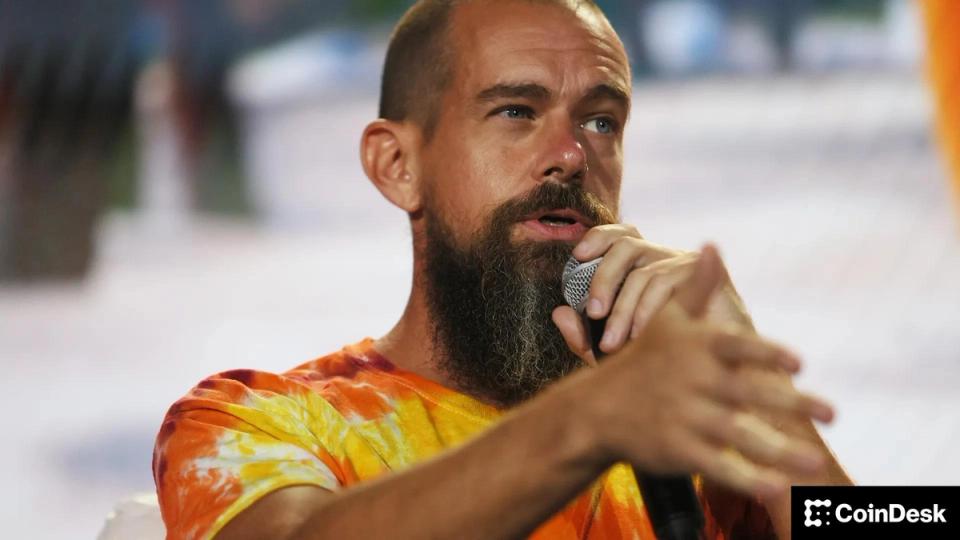
Block’s Jack Dorsey Embraces Stablecoins Amid Bitcoin Purism: A Pragmatic Pivot or Necessary Evolution?
In a surprising yet pragmatic turn of events, Block CEO Jack Dorsey has confirmed that his company will support stablecoins, despite his long-standing advocacy for Bitcoin as the internet’s native money protocol. This announcement, made during a recent interview with WIRED, marks a significant shift in Block’s cryptocurrency strategy and raises questions about the future of digital payments in an increasingly competitive landscape.
Dorsey’s decision to embrace stablecoins comes with a clear caveat: it’s a response to customer demand rather than a fundamental change in his personal beliefs about the future of money. “I don’t like that we’re going to support stablecoins but our customers want to use them,” Dorsey admitted. “I don’t think it’s wise to go from one gatekeeper to another.”
This pragmatic approach represents a notable departure from Dorsey’s previous stance on cryptocurrencies. For years, the Block CEO has been one of Bitcoin’s most vocal advocates in Silicon Valley, positioning the company’s crypto strategy firmly around the world’s first and most prominent cryptocurrency. Block has invested heavily in Bitcoin-related initiatives, from developing mining hardware to integrating the asset into products like Cash App.
The company’s journey with Bitcoin began in earnest when it first introduced the option for users to buy and sell Bitcoin on the Cash App. This was followed by receiving a BitLicense from New York regulators the subsequent year, allowing for expanded crypto operations. In 2019, Block took its commitment to the next level by establishing a Bitcoin development arm and funding Bitcoin and Lightning Network developers. The company further demonstrated its faith in Bitcoin by accumulating the cryptocurrency for its corporate treasury in 2020, with current holdings valued at over $600 million.
Despite this unwavering commitment to Bitcoin, the cryptocurrency landscape has evolved dramatically in recent years. Stablecoins, which are fiat currency-pegged tokens, have surged in popularity and utility. These digital assets now circulate widely across crypto markets and are increasingly used for cross-border payments. According to CoinMarketCap data, the total market capitalization of stablecoins has reached an impressive $318 billion, underscoring their growing importance in the digital economy.
The rise of stablecoins has not gone unnoticed by Block’s competitors. Payment giants like Stripe and PayPal have already integrated stablecoin infrastructure into their platforms, creating pressure on Block to offer similar options to avoid losing users. This competitive landscape has likely played a significant role in Dorsey’s decision to embrace stablecoins, despite his personal reservations.
It’s worth noting that this isn’t the first time Block has reluctantly endorsed stablecoins. In November of the previous year, the company’s Cash App announced support for stablecoins, making them “interoperable with a customer’s USD cash balance.” This move allowed for instant conversion of stablecoin deposits into U.S. dollars in users’ balances, enhancing the app’s functionality and appeal to a broader user base.
Dorsey’s history with stablecoins is complex and somewhat contradictory. In 2019, when Facebook (now Meta) was working on its now-scrapped Libra stablecoin project, Dorsey famously responded with a definitive “Hell no” when asked if Twitter would be joining the Libra Association. At the time, he stated that the project “was born out of a company’s intention, and it’s not consistent with what I personally believe and what I want our company to stand for.”
This apparent contradiction between Dorsey’s past statements and current actions highlights the complex dynamics at play in the cryptocurrency industry. While Dorsey continues to argue that Bitcoin’s decentralized design makes it the best candidate for an open financial protocol, the practical realities of running a global payments company have necessitated a more flexible approach.
The timing of this announcement is particularly noteworthy, coming on the heels of Block’s decision to cut its workforce by roughly 40%. The company cited structural changes driven by artificial intelligence as the primary reason for these layoffs. This move sparked controversy over whether Block had overhired in recent years, but Dorsey brushed off such questions during the WIRED interview, instead focusing on the transformative potential of AI.
“These [AI] tools are presenting a future that entirely changes how a company is structured,” Dorsey explained. He emphasized that the layoffs weren’t about fixing the company’s cost and revenue per employee, as Block was “already ahead” of all its competitors on those metrics. Instead, Dorsey sees AI as a disruptive force that will fundamentally reshape how companies operate and organize themselves.
The convergence of these two major developments – the embrace of stablecoins and significant workforce reduction – paints a picture of a company in transition. Block appears to be positioning itself for a future where the lines between traditional finance, cryptocurrency, and AI-driven services are increasingly blurred.
As the cryptocurrency industry continues to evolve, Block’s pragmatic approach to stablecoins may serve as a model for other companies navigating the complex intersection of ideology and market realities. While Dorsey remains a Bitcoin purist at heart, his willingness to adapt to customer demands and market pressures demonstrates a level of pragmatism that could prove crucial for Block’s long-term success in the rapidly changing world of digital finance.
The coming months and years will likely reveal whether this strategic pivot was indeed a necessary evolution or merely a temporary compromise. As stablecoins continue to gain traction and Bitcoin’s role in the broader financial ecosystem becomes clearer, Block’s journey will be closely watched by industry observers, competitors, and enthusiasts alike. One thing is certain: in the fast-paced world of cryptocurrency and digital payments, even the most steadfast beliefs may need to bend in the face of market realities and customer demands.
Tags: Block, Jack Dorsey, Bitcoin, Stablecoins, Cryptocurrency, Digital Payments, Cash App, AI, Workforce Reduction, WIRED, Libra, PayPal, Stripe, Market Capitalization, BitLicense, Lightning Network, Meta, Corporate Treasury, Cross-border Payments, Silicon Valley, Financial Protocol, Decentralized Finance
Viral Phrases:
- “I don’t like that we’re going to support stablecoins but our customers want to use them”
- “I don’t think it’s wise to go from one gatekeeper to another”
- “Hell no” to Libra Association
- “These [AI] tools are presenting a future that entirely changes how a company is structured”
- “I don’t know what the ultimate outcome is, but I do know it’s going to have a dramatic effect”
- Bitcoin purist embraces stablecoins
- 40% workforce cut amid AI revolution
- $600 million in Bitcoin holdings
- $318 billion stablecoin market cap
- The pragmatic pivot of a crypto purist
- Stablecoins: Necessary evil or smart strategy?
- Block’s balancing act between ideology and market reality
- The future of digital payments is here, and it’s complex
- When Bitcoin beliefs meet stablecoin pragmatism
,


Leave a Reply
Want to join the discussion?Feel free to contribute!