
Apple’s upcoming Mac desktops may cost more, but not for the reason you might think
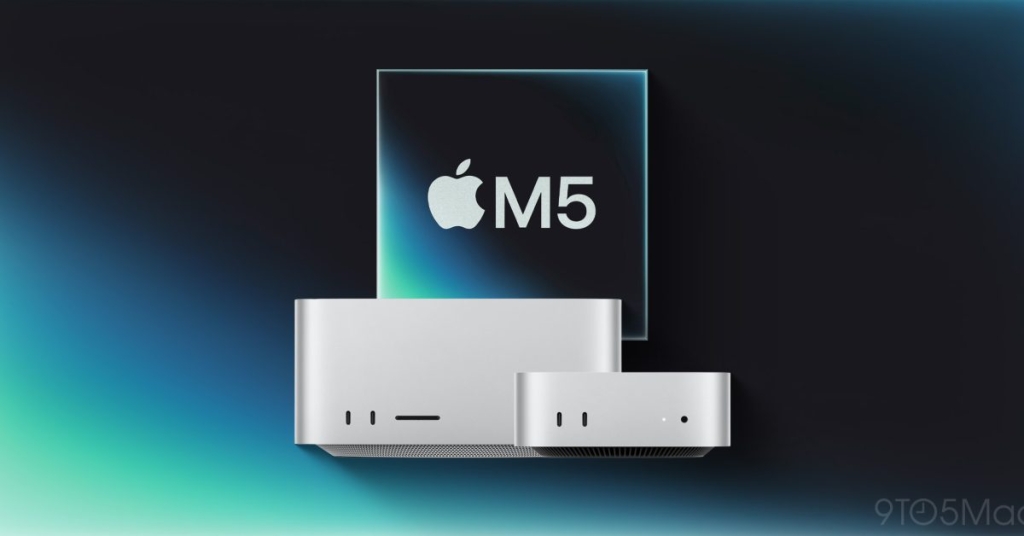
Apple’s Storage Revolution: Why Your Next Mac Will Cost More But Deliver More Value
The M5 Storage Paradigm Shift That’s Shaking Up Apple’s Lineup
In a move that’s sending shockwaves through the tech industry, Apple has fundamentally restructured its Mac storage strategy with the M5 chip rollout. The Cupertino giant is quietly executing what could be the most significant value proposition shift in years, and it’s all about storage capacity.
Breaking Down This Week’s Storage Realignment
MacBook Air Gets a Major Upgrade
The base M5 MacBook Air now ships with 512GB of storage instead of the previous 256GB standard, accompanied by a $100 price increase. At first glance, this might seem like a straightforward price hike, but here’s where it gets interesting: if you previously paid $200 to upgrade from 256GB to 512GB, you’re now getting that upgrade essentially for $100.
This is a textbook example of Apple’s strategy to align product pricing with actual consumer needs. In 2026, 256GB simply doesn’t cut it for most users, especially with macOS updates, app sizes, and media files growing exponentially.
MacBook Pro: Storage Standards Soar
The 14-inch M5 MacBook Pro takes things even further, jumping from 256GB to 1TB of storage while increasing by $100. For power users who were already considering the 1TB upgrade, this represents a significant value proposition.
However, the M5 Pro and M5 Max MacBook Pros present a more nuanced picture. These models now include 1TB of storage by default but come with a $200 price increase. The math here is straightforward: you’re essentially paying for the additional storage, with no real “discount” compared to previous pricing.
The Storage Bottleneck Problem
Apple’s strategy addresses a critical pain point that’s plagued Mac users for years: storage constraints. When macOS can’t rely on swap memory because storage is full, performance degrades dramatically. Users with 256GB drives often find themselves in a constant battle against storage warnings, leading to suboptimal system performance or premature upgrades.
What’s Coming Next: The Desktop Lineup Predictions
While Apple’s desktop lineup remains untouched for now, industry insiders are virtually unanimous in predicting similar adjustments for the Mac mini, iMac, and Mac Studio.
iMac: The $1,299 to $1,399 Jump
The next-generation iMac is expected to see a $100 price increase, moving from $1,299 to $1,399, with 512GB becoming the new standard storage configuration. This aligns perfectly with the MacBook Air’s trajectory and addresses the same storage inadequacy issues.
Mac mini: The $599 to $699 Transformation
The Mac mini, Apple’s most affordable desktop option, is likely to follow suit with a $100 increase from $599 to $699, also adopting 512GB as the base storage. For a device that’s increasingly used as a home server, media center, or development machine, this upgrade is long overdue.
Mac Studio: The Premium Powerhouse
The Mac Studio, Apple’s high-end desktop offering, could see a more substantial jump from $1,999 to at least $2,199, with 1TB becoming the new standard. Given that the M5 Max MacBook Pro already includes 2TB by default, the Mac Studio might even command a higher price point.
The Value Proposition Analysis
For the Mac mini and iMac, these adjustments represent a net positive for most consumers. The reality is that 256GB of storage in 2026 is borderline unusable for anyone doing more than basic web browsing and document editing.
Apple’s approach essentially forces consumers to pay slightly more upfront for adequate storage rather than forcing them into a cycle of frustration and premature upgrades. This strategy benefits both Apple (through higher average selling prices) and consumers (through better user experiences).
The Mac Studio Conundrum
The Mac Studio presents a more complex scenario. With the M5 Max MacBook Pro already including 2TB of storage by default, and that upgrade costing significantly more than previous generations, the Mac Studio could see even steeper price increases.
This suggests Apple is positioning the Mac Studio as a true workstation-class device, where massive storage is no longer optional but essential for professional workflows.
Industry Context: The RAM Crisis and Beyond
Interestingly, Apple hasn’t adjusted its unified memory pricing despite the ongoing RAM crisis affecting the broader tech industry. This suggests the company has sufficient inventory or alternative sourcing strategies to weather the storm.
The storage adjustments appear to be a strategic move rather than a reactive one, indicating Apple’s long-term vision for how users interact with their devices.
The Consumer Perspective: A Necessary Evolution
How do consumers feel about paying more for computers with more base storage? The feedback is mixed but generally trending positive. Tech enthusiasts who always opted for higher storage configurations see this as a win, while budget-conscious buyers might feel the pinch.
However, the reality is that modern computing demands have evolved dramatically. Video editing, photo libraries, app sizes, and system updates all consume significantly more space than they did even three years ago.
The Bottom Line
Apple’s storage revolution represents a fundamental shift in how the company approaches product configuration and pricing. By raising the base storage across its lineup while adjusting prices accordingly, Apple is:
- Addressing real consumer pain points
- Aligning product specifications with modern usage patterns
- Creating clearer value propositions for power users
- Potentially reducing customer support issues related to storage constraints
This strategy may result in higher upfront costs, but it could lead to better long-term satisfaction and fewer upgrade cycles. In an era where device longevity is increasingly important, getting the storage right from the start might be the smartest move Apple has made in years.
The question now is whether competitors will follow suit or if Apple will continue to lead the industry in setting realistic baseline specifications for modern computing.
Tags: #Apple #Mac #M5 #StorageUpgrade #TechNews #AppleEvent #MacBook #MacStudio #iMac #MacMini #TechIndustry #Computing #StorageRevolution #ValueProposition #TechStrategy
Viral Phrases: “Storage revolution”, “base storage upgrade”, “storage bottleneck”, “value proposition shift”, “modern computing demands”, “device longevity”, “workstation-class device”, “consumer pain points”, “strategic move”, “industry leadership”, “pricing strategy”, “tech evolution”, “storage constraints”, “upgrade cycle”, “real-world performance”, “user experience”, “competitive advantage”, “market positioning”, “product configuration”, “long-term satisfaction”
,

Leave a Reply
Want to join the discussion?Feel free to contribute!