
Push for $40 smartphones builds momentum, but still faces cost hurdles
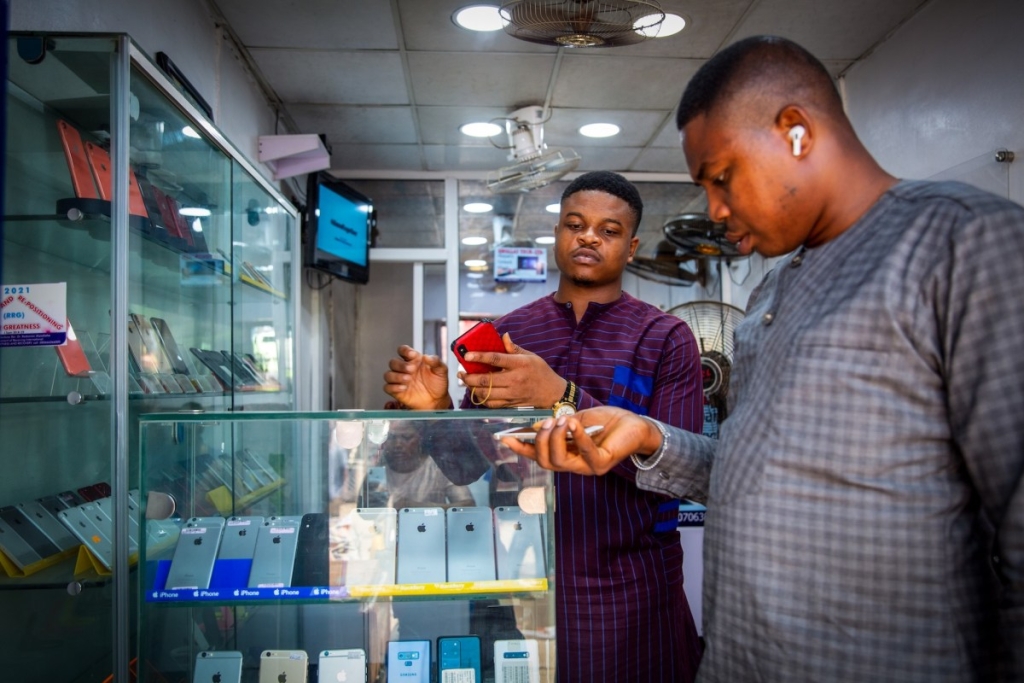
Telecom Giants and Device Makers Unite to Launch $40 Smartphones in Africa: A Bold Step Toward Digital Inclusion
In a groundbreaking move to bridge the digital divide, a powerful coalition of telecom operators, smartphone manufacturers, and industry groups has set its sights on bringing ultra-affordable $40 smartphones to the African market. The initiative, spearheaded by the GSMA (Global System for Mobile Communications Association), aims to connect millions of new users to the digital world by making internet-enabled devices accessible to those who have long been priced out of the smartphone revolution.
The Vision: Connecting 20 Million More People Online
At this year’s Mobile World Congress in Barcelona, the GSMA unveiled plans to pilot ultra-low-cost 4G devices in six African nations: the Democratic Republic of the Congo, Ethiopia, Nigeria, Rwanda, Tanzania, and Uganda. The ambitious goal? To bring an additional 20 million people online through devices that cost roughly the same as a decent dinner out in many Western countries.
“This isn’t just about selling phones,” explains Alix Jagueneau, GSMA’s Head of External Affairs. “It’s about creating pathways to opportunity, education, and economic participation for millions who are currently on the wrong side of the digital divide.”
The coalition includes major African mobile operators such as Airtel, Axian Telecom, Ethio Telecom, MTN Group, Orange, and Vodafone, alongside seven smartphone manufacturers who have expressed interest in the initiative. While commercial negotiations are still underway, the GSMA hopes to see initial proof-of-concept devices by the end of this year, with consumer-ready products potentially hitting markets by late 2026.
Why $40 Matters
The $40 price point isn’t arbitrary. Research by the GSMA has identified this as the threshold where smartphones become accessible to vast populations currently priced out of the digital economy. In many developing markets, people live within mobile broadband coverage but remain offline simply because devices remain prohibitively expensive.
Consider this: the average selling price of smartphones in the Middle East and Africa was approximately $188 in the fourth quarter of 2025, according to Counterpoint Research. That’s nearly five times the target price for these new devices. The gap is even more stark when you consider that import duties and taxes can add up to 30% to handset prices in some markets, as smartphones are sometimes classified as luxury items.
The Challenges: Thin Margins and Rising Component Costs
Industry analysts are skeptical about whether manufacturers can produce quality smartphones at such aggressive price points, especially given current market conditions. “Pushing smartphones priced in the $30–$40 range could have been historically feasible when memory costs were significantly lower,” notes Ahmad Shehab, Research Analyst at Counterpoint Research.
Today’s manufacturers face a perfect storm of challenges. Memory component costs have risen dramatically, making low-capacity chips harder to source as suppliers prioritize higher-capacity options for premium devices. Additionally, the profit margins on ultra-low-cost devices are razor-thin, creating little incentive for manufacturers to enter this space without significant support.
“The $30–$40 price point is an ambition, based on GSMA intelligence research on affordability and is to be understood as a best effort intent,” Jagueneau acknowledges. “Rising memory costs are adding urgency and complexity to the effort.”
Learning from Past Attempts
This isn’t the first time the tech industry has attempted to democratize smartphone access. In 2014, Google launched the Android One initiative, targeting affordable smartphones in markets including India, Pakistan, Bangladesh, and Indonesia. The program expanded to Africa in 2015 but ultimately struggled to achieve widespread adoption.
“The Android One project failed to impress Indian consumers again,” reported telecom industry publications at the time. While Google continued the program in some markets for several years, including Japan, it never became a dominant platform for entry-level smartphones.
The GSMA’s current initiative differs in several key ways: it’s more collaborative, involving operators and manufacturers working together from the start; it’s backed by telecom industry expertise rather than a single tech giant; and it’s specifically targeting markets where mobile infrastructure already exists but device affordability remains the primary barrier.
The Financing Puzzle
The final price of these ultra-low-cost devices will depend on a complex interplay of factors beyond just manufacturing costs. Financing schemes, tax policies, and import duties all play crucial roles in determining what consumers ultimately pay.
Development banks, donors, and other financial institutions could help reduce risks for mobile operators investing in these devices. The GSMA is exploring various financing models that could make the devices more accessible while ensuring sustainability for all parties involved.
Tax policy represents another critical lever. The coalition is working to build ongoing dialogue with governments in the coming months, though none of the six pilot countries has yet committed to reducing import duties or taxes on entry-level smartphones.
“We believe there is an urgency for the public sector to address this part of the equation for digital inclusion purposes,” Jagueneau emphasizes. The group points to South Africa’s 2023 decision to remove a 9% luxury excise duty on smartphones priced below R2,500 (around $150) as a positive example that more countries should follow.
What $40 Gets You: The Technical Reality
While specific device specifications haven’t been finalized, industry experts suggest that $40 smartphones will likely feature extremely basic specifications. We’re talking about entry-level processors, minimal storage (likely 8-16GB), basic cameras, and smaller screens.
However, even these basic specifications represent a massive leap forward for first-time smartphone users. 4G connectivity, basic app functionality, and access to services like mobile banking, educational content, and healthcare information can transform lives, even on modest hardware.
The key will be optimizing the Android operating system and pre-loading essential applications while minimizing bloatware that consumes precious storage space. Manufacturers will need to balance cost-cutting measures with reliability and user experience to ensure these devices don’t frustrate new users and drive them away from mobile internet entirely.
The Road Ahead: Coordination and Commitment
Success will require unprecedented coordination between operators, manufacturers, and governments. Mobile operators must be willing to invest in devices they’ll sell at minimal margins. Manufacturers need to develop new production processes and supply chain strategies. Governments must consider the long-term economic benefits of digital inclusion against short-term tax revenue.
“The initiative remains in early stages, with commercial negotiations underway between mobile operators and smartphone manufacturers to develop devices meeting the targeted price range,” Jagueneau notes. The GSMA has engaged with more than 15 smartphone manufacturers as part of the effort.
The coalition’s approach recognizes that device affordability is just one piece of the digital inclusion puzzle. Network coverage, digital literacy, relevant local content, and supportive regulatory frameworks all play important roles. However, affordable devices represent perhaps the most immediate and tangible barrier to overcome.
The Stakes: Why This Matters
The digital divide isn’t just about convenience or entertainment—it’s about economic opportunity, education, healthcare access, and civic participation. In an increasingly digital world, those without internet access are being left further behind with each passing year.
Mobile internet has already transformed commerce, banking, and communication in Africa, but these benefits have disproportionately accrued to those who can afford smartphones. Affordable devices could unlock mobile banking for millions more users, expand access to online education and job opportunities, improve access to health information, and enable new forms of civic engagement.
The GSMA’s initiative represents a recognition that the private sector alone cannot solve the digital divide. It requires coordinated action, innovative financing, supportive policy environments, and a shared commitment to inclusion.
As Jagueneau puts it: “Improving access to affordable smartphones remains critical to bringing more people online.” Whether the coalition can overcome the formidable technical, financial, and political challenges to deliver on its $40 promise remains to be seen. But the ambition itself—to connect millions more people to the digital world through truly affordable devices—represents a significant step toward a more inclusive digital future.
Tags: #DigitalInclusion #AffordableSmartphones #MobileTechnology #AfricaTech #DigitalDivide #GSMA #MobileWorldCongress #EmergingMarkets #TechForGood #4GDevices #SmartphoneAffordability #DigitalTransformation #EconomicOpportunity #MobileBanking #OnlineEducation #HealthcareAccess #CivicEngagement #TechnologyForAll #Innovation #GlobalDevelopment
Viral Phrases: “Connecting 20 million more people online”, “The $40 smartphone revolution”, “Bridging the digital divide”, “Tech for good”, “Digital inclusion matters”, “Affordable access to opportunity”, “The next billion users”, “Mobile internet for all”, “Breaking down barriers”, “Technology as a human right”, “The $40 promise”, “Digital empowerment”, “Smart devices, smarter futures”, “Inclusion through innovation”, “The affordability gap”, “Tech that transforms lives”, “Digital equality”, “Mobile for development”, “The $40 challenge”, “Connecting the unconnected”
,


Leave a Reply
Want to join the discussion?Feel free to contribute!