
20 Vampire Movies You Should Watch After ‘Sinners’
Sinners: The Vampire Movie That Made Oscar History
In a stunning upset that’s sent shockwaves through Hollywood, Sinners—Ryan Coogler’s genre-bending vampire epic—has shattered records with an unprecedented 16 Academy Award nominations, becoming the most-nominated film in Oscar history. This achievement is particularly remarkable given the Academy’s historically chilly reception to vampire cinema, a genre that’s long lurked in the shadows of mainstream awards recognition.
From Backwater Mississippi to Oscar Glory
Set against the haunting backdrop of 1932 Clarksdale, Mississippi, Sinners follows twin brothers (both masterfully portrayed by Michael B. Jordan) as they return to their troubled hometown to establish a juke joint while confronting their troubled past. What begins as a period drama steeped in Southern Gothic atmosphere takes a sharp turn when supernatural elements—and literal bloodsuckers—enter the picture.
The film’s critical and commercial success ($200M+ at the box office) represents a watershed moment for horror cinema, proving that genre films can achieve both artistic excellence and mainstream appeal. Coogler’s bold vision seamlessly blends magical realism, historical drama, and visceral horror into something genuinely groundbreaking.
The Long Road to Recognition: Vampires and the Academy
Vampire films have historically been Oscar’s red-headed stepchildren. While Bram Stoker’s Dracula (1992) earned recognition for costumes and makeup, and Shadow of the Vampire (2000) secured a couple of nominations, the genre has largely been relegated to technical categories—until now. Sinners has broken through every barrier, earning nods across major categories including Best Picture, Best Director, and acting nominations.
This triumph echoes back to F.W. Murnau’s Nosferatu (1922), the silent German Expressionist film that laid the groundwork for cinematic vampire lore. Now, nearly a century later, the undead have finally ascended to the Academy’s highest echelons.
20 Must-Watch Vampire Films That Twist the Myth
If Sinners has you craving more unconventional vampire stories, here are 20 films that reimagine the genre in wildly different ways:
Arthouse and Experimental Takes
Byzantium (2012) – Neil Jordan’s mature meditation on immortality follows mother-daughter vampires Clara and Eleanor (Gemma Arterton and Saoirse Ronan) as they navigate centuries of existence. The film’s operatic violence and striking realism create a thoroughly adult horror experience that transcends genre conventions.
Ganja & Hess (1973) – Bill Gunn’s experimental masterpiece stars Duane Jones as Dr. Hess Green, transformed into a vampire through an ancient African ritual. The film’s deliberate pacing and barbed commentary on assimilation and religious hypocrisy make it essential viewing.
A Girl Walks Home Alone at Night (2014) – Ana Lily Amirpour’s Iranian-American black-and-white gem features Sheila Vand as The Girl, a chador-wearing vampire who glides through Bad City’s streets on a skateboard. The film brilliantly subverts expectations about who should fear walking alone at night.
Cronos (1992) – Guillermo del Toro’s debut follows an elderly antique dealer who discovers a mechanical device that grants eternal life—at a terrible cost. Featuring Ron Perlman in one of his earliest roles, the film established del Toro’s signature blend of horror, fantasy, and dark humor.
Historical and Period Pieces
Dracula’s Daughter (1936) – This direct sequel to Bela Lugosi’s Dracula follows Countess Marya Zaleska (Gloria Holden) as she struggles with her inherited curse. The film’s subtle lesbian subtext and gothic atmosphere make it a fascinating artifact of pre-Code Hollywood.
Thirst (2009) – Park Chan-wook’s erotic horror adapts Émile Zola’s Thérèse Raquin into a vampire tale about a priest (Song Kang-ho) who develops bloodlust after a medical experiment. The film’s shocking twists and moral complexity elevate it beyond typical genre fare.
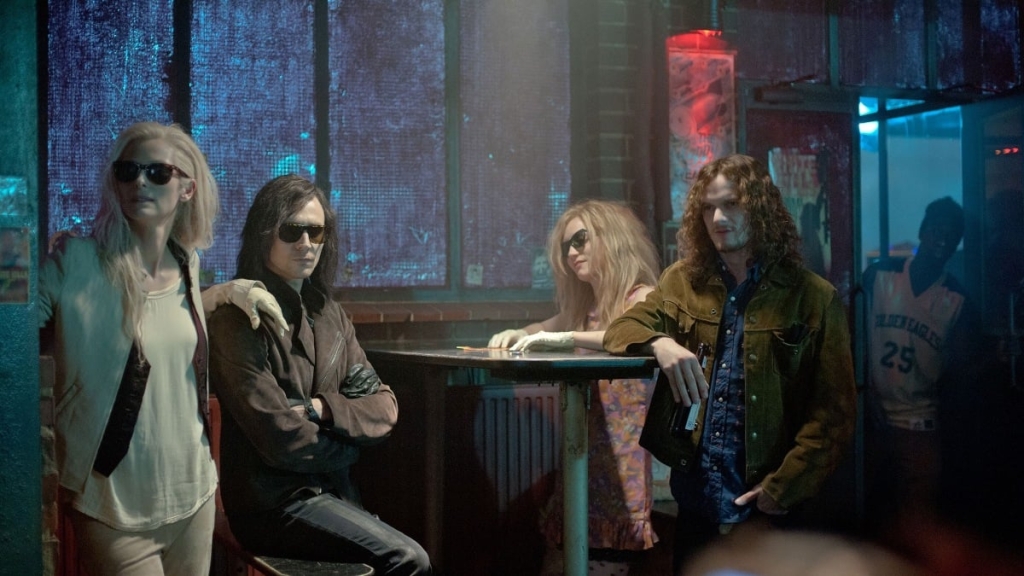
Only Lovers Left Alive (2013) – Jim Jarmusch’s stoner vampire romance follows centuries-old lovers Adam (Tom Hiddleston) and Eve (Tilda Swinton) as they navigate eternal existence. The film’s melancholic beauty and deadpan humor create something truly unique.
Modern and Contemporary Takes
What We Do in the Shadows (2014) – Jemaine Clement and Taika Waititi’s mockumentary follows vampire flatmates struggling with modern life. The film’s genius lies in finding humor in the mundane aspects of immortality.
Bit (2019) – Nicole Maines stars as Laurel, a trans teenager who joins an all-female vampire coven dedicated to hunting predatory men. The film cleverly uses vampire mythology as a metaphor for empowerment and revenge.
Blood Relatives (2022) – This horror-comedy follows a “terminally uncool” vampire (director Noah Segan) who discovers he has a teenage daughter. The film’s sharp dialogue and genre-savvy humor make it a standout.
International and Foreign-Language Gems
Let the Right One In (2008) – Tomas Alfredson’s Swedish masterpiece follows bullied Oskar and his mysterious friend Eli in Blackeberg. The film’s haunting atmosphere and poignant coming-of-age story transcend typical horror conventions.
Thirst (2009) – Park Chan-wook’s erotic horror adapts Émile Zola’s Thérèse Raquin into a vampire tale about a priest (Song Kang-ho) who develops bloodlust after a medical experiment. The film’s shocking twists and moral complexity elevate it beyond typical genre fare.
Byzantium (2012) – Neil Jordan’s mature meditation on immortality follows mother-daughter vampires Clara and Eleanor (Gemma Arterton and Saoirse Ronan) as they navigate centuries of existence.
Action and Horror Hybrids
Blade II (2002) – Guillermo del Toro’s action spectacular features Wesley Snipes at his coolest as the vampire hunter Blade. The film’s vibrant visuals and monster design set a new standard for comic book adaptations.
The Lost Boys (1987) – Joel Schumacher’s sweaty, homoerotic classic follows brothers who encounter a vampire gang in California. The film’s blend of teen angst and supernatural horror created a template for ’80s genre cinema.
Stake Land (2010) – This post-apocalyptic road movie features animalistic vampires in a world overrun by both monsters and religious fanatics. The film’s bleak vision and human drama elevate it above typical zombie fare.
Meta and Satirical Takes
Shadow of the Vampire (2000) – This fictional account of Nosferatu‘s production suggests that Max Schreck (Willem Dafoe) might have been an actual vampire. John Malkovich plays F.W. Murnau in a film that’s equal parts horror and Hollywood satire.
Interview with the Vampire (1994) – Neil Jordan’s adaptation of Anne Rice’s novel explores the complex relationship between Lestat (Tom Cruise) and Louis (Brad Pitt), with Kirsten Dunst delivering a breakout performance as their “daughter.”
Unique and Experimental Approaches
Lifeforce (1985) – Tobe Hooper’s space vampire epic follows energy-draining aliens discovered in Halley’s Comet. The film’s Lovecraftian scope and practical effects make it a cult favorite.
Nadja (1994) – David Lynch-produced experimental film shot partly on Fisher-Price cameras follows a vampire seeking revenge against Van Helsing’s family. The film’s unconventional approach and Peter Fonda cameo make it unforgettable.
Why Sinners Matters
Sinners represents more than just a successful vampire film—it’s a cultural milestone that validates horror as serious art. By earning recognition across technical and major categories, it demonstrates that genre films can achieve the same artistic heights as traditional dramas.
The film’s success also reflects changing Academy demographics and tastes, suggesting a future where horror, science fiction, and fantasy receive equal consideration alongside traditional prestige fare. As streaming platforms continue to blur the lines between theatrical and home viewing, boundary-pushing films like Sinners may become increasingly common.
The Future of Vampire Cinema
With Sinners breaking records, the floodgates may open for more ambitious vampire projects. The genre’s flexibility—able to accommodate romance, horror, comedy, and social commentary—makes it uniquely suited to exploring contemporary anxieties about power, sexuality, and mortality.
As filmmakers continue to find new ways to reinvent these ancient myths, one thing is certain: the undead aren’t going anywhere. They’ve earned their place at the cinematic table, and audiences are hungry for more.
Tags: vampire movies, Oscar history, Sinners, horror cinema, Ryan Coogler, Michael B. Jordan, bloodsuckers, Academy Awards, genre films, supernatural horror
Viral Sentences:
- “Sinners just made Oscar history by proving vampires deserve respect too”
- “The Academy finally recognized what horror fans knew all along”
- “From Nosferatu to Sinners: a century of vampire cinema finally gets its due”
- “Ryan Coogler’s genre-bending epic is rewriting Hollywood’s rules”
- “16 Oscar nominations? These vampires are hungry for more than just blood”
- “Horror movies are having their moment, and it’s bloody brilliant”
- “The undead have officially ascended to the highest echelons of cinema”
- “Sinners proves that genre films can be both scary and sophisticated”
- “Move over prestige dramas—vampire movies are here to stay”
- “The Academy’s cold shoulder has finally thawed for horror cinema”
,


Leave a Reply
Want to join the discussion?Feel free to contribute!