
How NotebookLM’s New ‘Cinematic Video’ Tool Works
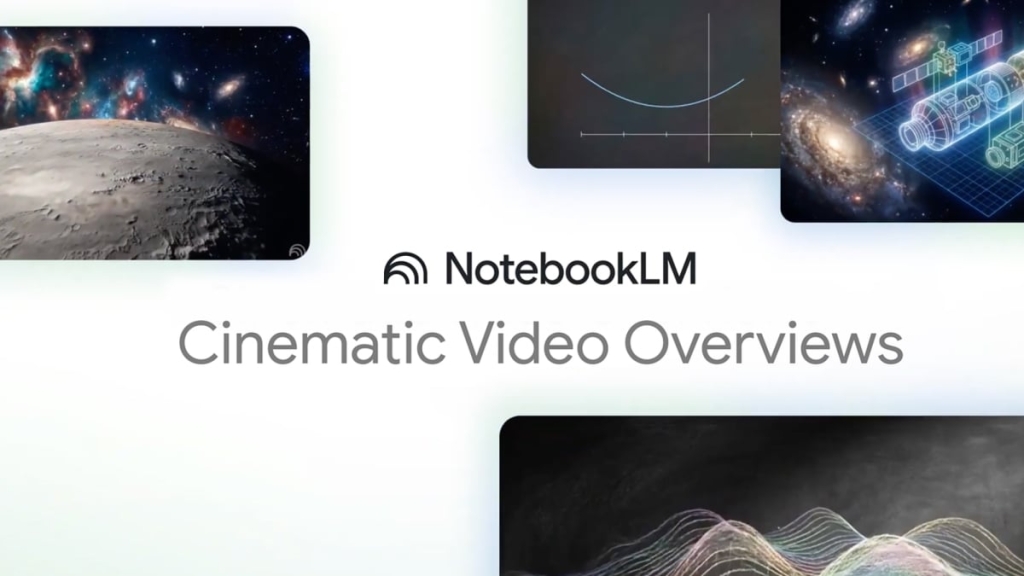
Google’s NotebookLM Gets a Cinematic Upgrade — But Only for the Ultra Elite
In a move that’s sending ripples through the AI research community, Google has unveiled a major enhancement to its NotebookLM platform: cinematic video summaries. But before you get too excited, there’s a catch — this feature is locked behind a hefty paywall, available only to subscribers of Google’s top-tier AI Ultra plan.
NotebookLM, Google’s sophisticated research-focused AI tool, has long been a favorite among academics, students, and professionals who need to synthesize complex information from multiple sources. Built on the same underlying models as Gemini but with a more streamlined, less conversational interface, NotebookLM has consistently evolved with new features that make it an indispensable tool for knowledge workers.
The Evolution of NotebookLM
When NotebookLM first launched, it was already a powerful tool for collecting and organizing information. Users could upload PDFs, paste web links, embed YouTube videos, and more, creating comprehensive notebooks on any topic. The AI would then analyze these sources and provide detailed summaries, explanations, and insights.
The platform’s capabilities expanded significantly when Google introduced Audio Overviews, allowing users to generate realistic-sounding podcast-style summaries of their notebooks. This feature alone revolutionized how people consumed and shared complex information, turning dense research papers into digestible audio content.
Last year, Google took another leap forward with Video Overviews, which initially functioned more like automated PowerPoint presentations. These early video summaries would take the content from a notebook and present it in a slideshow format, complete with basic animations and transitions. While useful, they lacked the dynamic quality that makes video content truly engaging.
The Cinematic Revolution
The latest update transforms Video Overviews into something genuinely cinematic. These new summaries feature smooth animations, three-dimensional transitions, and a level of visual sophistication that brings static content to life. The difference is immediately apparent — where previous versions felt like automated presentations, these new cinematic overviews feel more like professionally produced educational content.
However, this technological leap comes with significant limitations. The cinematic feature is exclusively available to Google AI Ultra subscribers, a plan that costs a staggering $250 per month. This puts the feature out of reach for most casual users, students, and even many professionals.
Beyond the cost barrier, there are additional restrictions. Users must be 18 or older to access the feature, and it’s currently only available in English. Google has hinted that these limitations might change over time, but for now, the cinematic experience remains the domain of the AI elite.
What You Get for $250 a Month
The Google AI Ultra subscription isn’t just about NotebookLM’s cinematic features. For that substantial monthly fee, subscribers receive a comprehensive suite of AI tools and services. The package includes a YouTube Premium subscription, 30 terabytes of Google Drive storage, and elevated usage limits across all Google AI products.
For heavy users of AI tools, the value proposition becomes clearer. The 30TB of storage alone would cost hundreds of dollars annually if purchased separately. Combined with unlimited access to Google’s most advanced AI models, priority processing, and exclusive features like cinematic video summaries, the subscription starts to make sense for power users.
Testing the Cinematic Experience
To evaluate the new feature, I created a comprehensive test using a 39-page research paper from Apple researchers on what they call the “illusion of thinking” in Large Reasoning Models (LRMs). This dense, technical document was the perfect candidate for AI summarization, as it contains complex concepts that benefit from visual explanation.
The process began by creating a new notebook in NotebookLM and uploading the research paper. The interface, while available on mobile devices, works best on desktop where you have more screen real estate to manage your sources and review the results.
Once the notebook was populated with the source material, I accessed the Studio panel to create a video overview. NotebookLM offers different styles, including Brief, Explainer, and Cinematic. The Cinematic option, naturally, was only available to AI Ultra subscribers.
The Standard Experience: Solid but Static
I first created a standard Explainer-style video overview, which took approximately 15 minutes to generate and resulted in a six-minute summary. The video did an admirable job of breaking down the complex concepts from the research paper, explaining why Large Reasoning Models struggle with certain types of problems.
The presentation was well-organized, with clear visual layouts and illustrations that generally made sense. However, there were some notable errors — for instance, a graph supposedly showing Claude Sonnet’s performance included two extra lines that weren’t present in the original research. This highlights a crucial limitation of AI-generated content: while it can be incredibly helpful, it’s not infallible.
The disclaimer that Google places on all NotebookLM and Gemini outputs — “AI can be inaccurate” — is worth remembering. These tools are designed to assist and enhance understanding, not replace careful reading and critical thinking.
The Cinematic Difference: Worth the Wait?
The Cinematic video overview took significantly longer to generate — over 50 minutes — and resulted in a slightly longer video of just over seven minutes. The extended wait time is a small price to pay for the enhanced quality, but it does highlight the computational intensity of these more sophisticated animations.
The cinematic version went into greater detail and provided a more comprehensive understanding of the topic. All the charts from the original paper were accurately reproduced, and many of the animations genuinely enhanced comprehension rather than just serving as visual decoration.
However, NotebookLM still struggled with certain types of animations. When attempting to show someone drawing on a page or manipulating physical objects in a Tower of Hanoi puzzle, the results were noticeably off. These failures stem from a fundamental limitation of current AI models: they understand pixel patterns but not real-world physics or object interactions.
Despite these imperfections, I found the Cinematic overview more valuable overall. The additional detail and smoother presentation made complex concepts more accessible. However, the effectiveness of these overviews will likely vary significantly depending on the source material. With more creative or diverse content, the results might be even more impressive.
The Future of AI-Generated Video
The introduction of cinematic video summaries represents a significant step forward in AI-generated educational content. As these models continue to improve their understanding of physics, motion, and real-world interactions, we can expect the quality of these videos to increase dramatically.
For now, the feature serves as a compelling demonstration of what’s possible when you combine advanced language models with sophisticated video generation capabilities. It’s particularly valuable for researchers, educators, and professionals who need to quickly understand and communicate complex information.
Is It Worth the Price?
The question of whether the cinematic feature justifies the $250 monthly subscription depends entirely on your use case. For casual users or students, the standard Video Overviews available to everyone provide more than enough functionality at no additional cost.
However, for institutions, research labs, or professionals who regularly work with complex information and need to create high-quality explanatory content, the investment might be worthwhile. The combination of advanced AI capabilities, massive storage, and exclusive features creates a compelling package for heavy users.
As AI technology continues to advance and these features potentially become more widely available, we may see a democratization of cinematic AI-generated content. Until then, it remains a premium feature for those willing and able to pay for the absolute cutting edge of AI research tools.
The cinematic upgrade to NotebookLM represents both the incredible progress being made in AI-generated content and the current limitations of the technology. It’s a glimpse into a future where complex information can be transformed into engaging, accessible video content with minimal human intervention — a future that, for now, remains just out of reach for most of us.
Tags: #NotebookLM #GoogleAI #CinematicVideo #AIResearch #TechNews #ArtificialIntelligence #VideoGeneration #GoogleUltra #TechInnovation #AIRevolution #ResearchTools #DigitalLearning #TechTrends #FutureOfAI #AIContentCreation
Viral Phrases: “AI can be inaccurate”, “cutting-edge AI research tools”, “democratization of AI-generated content”, “technological leap”, “AI elite”, “computational intensity”, “pixel patterns but not real-world physics”, “premium feature”, “heavy users”, “power users”, “educational content”, “knowledge workers”, “research labs”, “institutions”, “digital learning”, “AI-generated video”, “sophisticated animations”, “three-dimensional transitions”, “automated PowerPoint presentations”, “realistic-sounding podcast-style summaries”, “comprehensive suite of AI tools”, “elevated usage limits”, “priority processing”, “exclusive features”, “compelling package”, “incredible progress”, “AI-generated content”, “engaging, accessible video content”, “minimal human intervention”, “future of AI”, “AI technology continues to advance”, “potential becoming more widely available”, “premium feature for those willing and able to pay”, “absolute cutting edge”, “AI research tools”, “glimpse into a future”, “current limitations of the technology”, “out of reach for most of us”, “hefty paywall”, “staggering $250 per month”, “AI elite”, “hefty caveats”, “significant limitations”, “substantial monthly fee”, “value proposition”, “power users”, “heavy users”, “worth the investment”, “compelling demonstration”, “sophisticated video generation capabilities”, “advanced language models”, “AI-generated educational content”, “quality of these videos”, “dramatically increase”, “fundamental limitation”, “pixel patterns”, “real-world physics”, “object interactions”, “visual decoration”, “enhanced comprehension”, “smooth presentation”, “complex concepts”, “more accessible”, “effectiveness of these overviews”, “source material”, “more creative or diverse content”, “impressive results”, “compelling package”, “heavy users of AI tools”, “unlimited access”, “most advanced AI models”, “exclusive features”, “priority processing”, “massive storage”, “advanced AI capabilities”, “research labs”, “institutions”, “professionals”, “regularly work with complex information”, “high-quality explanatory content”, “investment might be worthwhile”, “democratization of cinematic AI-generated content”, “premium feature”, “willing and able to pay”, “absolute cutting edge of AI research tools”, “incredible progress being made”, “AI-generated content”, “current limitations of the technology”, “glimpse into a future”, “complex information”, “engaging, accessible video content”, “minimal human intervention”, “future that, for now, remains just out of reach for most of us”.
,


Leave a Reply
Want to join the discussion?Feel free to contribute!